
Learn about common digestive disorders, including their symptoms, causes, diagnosis, and effective treatment options. Discover practical tips to improve digestive health and prevent gastrointestinal problems.
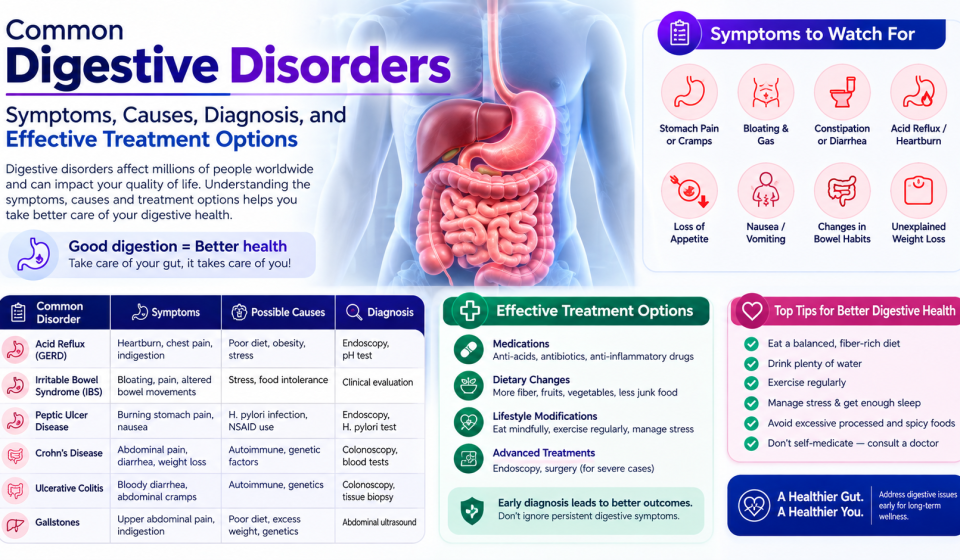
The digestive system plays a vital role in maintaining overall health by breaking down food, absorbing nutrients, and eliminating waste from the body. When the digestive tract does not function properly, it can lead to discomfort, nutritional deficiencies, and chronic health problems. Digestive disorders affect millions of people worldwide and range from temporary conditions such as indigestion to long-term diseases that require ongoing medical care. Many digestive disorders develop gradually and may initially cause mild symptoms that are easy to ignore. However, persistent abdominal pain, changes in bowel habits, heartburn, bloating, or unexplained weight loss should never be overlooked. Understanding the symptoms, causes, diagnosis, and treatment options for common digestive disorders helps individuals seek timely medical attention and maintain better digestive health throughout life.
Understanding the Digestive System
The digestive system includes the mouth, esophagus, stomach, liver, gallbladder, pancreas, small intestine, large intestine, rectum, and anus. Together, these organs work to digest food, absorb nutrients, and remove waste.
When one or more parts of the digestive system become inflamed, infected, damaged, or function abnormally, digestive disorders can develop. While some conditions are short-term and easily treated, others require lifelong management.
Common Symptoms of Digestive Disorders
Digestive disorders can produce a wide range of symptoms depending on the affected organ and underlying condition.
Common symptoms include:
- Abdominal pain or cramping
- Heartburn
- Acid reflux
- Bloating
- Excessive gas
- Nausea
- Vomiting
- Constipation
- Diarrhea
- Difficulty swallowing
- Loss of appetite
- Blood in stool
- Unexplained weight loss
- Fatigue
Symptoms that persist for several weeks or become severe should be evaluated by a healthcare professional.
Acid Reflux and GERD
Acid reflux occurs when stomach acid flows back into the esophagus, causing irritation. Frequent acid reflux may develop into Gastroesophageal Reflux Disease (GERD).
Symptoms
- Burning sensation in the chest
- Sour taste in the mouth
- Difficulty swallowing
- Chronic cough
- Hoarseness
- Regurgitation
Causes
- Obesity
- Smoking
- Pregnancy
- Large meals
- Fatty or spicy foods
- Weak lower esophageal sphincter
Treatment
- Lifestyle modifications
- Weight management
- Avoiding trigger foods
- Eating smaller meals
- Acid-reducing medications prescribed by a healthcare provider
- Surgery in selected severe cases
Irritable Bowel Syndrome (IBS)
IBS is a common functional digestive disorder affecting the large intestine.
Symptoms
- Abdominal pain
- Bloating
- Gas
- Constipation
- Diarrhea
- Alternating bowel habits
Causes
Although the exact cause remains unclear, contributing factors include:
- Stress
- Altered gut motility
- Food sensitivities
- Changes in gut bacteria
Treatment
Management may involve dietary changes, stress reduction, regular exercise, adequate hydration, and medications when appropriate.
Gastritis
Gastritis refers to inflammation of the stomach lining.
Symptoms
- Upper abdominal pain
- Nausea
- Vomiting
- Indigestion
- Feeling full quickly
Common Causes
- Helicobacter pylori infection
- Long-term use of certain pain relievers
- Excessive alcohol consumption
- Autoimmune disorders
- Severe stress related to illness
Treatment
Treatment depends on the underlying cause and may include antibiotics for bacterial infection, medications to reduce stomach acid, and avoiding irritants such as alcohol or tobacco.
Peptic Ulcers
Peptic ulcers are sores that develop in the stomach or upper small intestine.
Symptoms
- Burning stomach pain
- Bloating
- Nausea
- Indigestion
- Pain between meals
Causes
- H. pylori infection
- Long-term use of nonsteroidal anti-inflammatory drugs (NSAIDs)
Treatment
Most ulcers heal with medications that reduce stomach acid and, when necessary, antibiotics to eliminate H. pylori.
Constipation
Constipation is characterized by infrequent or difficult bowel movements.
Causes
- Low-fiber diet
- Inadequate water intake
- Lack of exercise
- Certain medications
- Ignoring the urge to have a bowel movement
Treatment
Increasing dietary fiber, drinking more water, staying physically active, and using laxatives only when advised by a healthcare provider can improve symptoms.
Diarrhea
Diarrhea involves frequent loose or watery stools and may be acute or chronic.
Causes
- Viral infections
- Bacterial infections
- Food poisoning
- Certain medications
- Digestive diseases
Treatment
Treatment focuses on preventing dehydration, identifying the cause, and using appropriate medications when necessary.
Inflammatory Bowel Disease (IBD)
Inflammatory Bowel Disease includes Crohn’s disease and ulcerative colitis, both of which involve chronic inflammation of the digestive tract.
Symptoms
- Persistent diarrhea
- Abdominal pain
- Fatigue
- Blood in stool
- Weight loss
- Fever
Treatment
Management often includes anti-inflammatory medications, immune-modifying therapies, nutritional support, and surgery in some cases.
Gallstones
Gallstones are hardened deposits that form inside the gallbladder.
Symptoms
- Sudden pain in the upper right abdomen
- Nausea
- Vomiting
- Pain after eating fatty meals
Treatment
Some gallstones require no treatment, while symptomatic cases may require surgical removal of the gallbladder.
How Digestive Disorders Are Diagnosed
Healthcare providers begin with a detailed medical history and physical examination. Depending on symptoms, additional tests may include:
- Blood tests
- Stool analysis
- Endoscopy
- Colonoscopy
- Ultrasound
- CT scan
- MRI
- Breath tests
- Biopsy when indicated
Accurate diagnosis helps determine the most effective treatment plan.
Lifestyle Habits for Better Digestive Health
Healthy daily habits play an important role in preventing many digestive disorders.
Helpful lifestyle recommendations include:
- Eat a balanced diet rich in fruits and vegetables
- Increase fiber intake gradually
- Drink adequate water
- Exercise regularly
- Maintain a healthy weight
- Limit processed foods
- Reduce excessive alcohol consumption
- Avoid smoking
- Manage stress
- Eat meals at regular times
- Chew food thoroughly
- Get enough sleep
These habits support healthy digestion and reduce the risk of gastrointestinal problems.
When to See a Doctor
Medical evaluation is recommended if you experience:
- Severe abdominal pain
- Persistent vomiting
- Blood in stool
- Black stools
- Difficulty swallowing
- Unexplained weight loss
- Ongoing diarrhea
- Persistent constipation
- Symptoms lasting longer than two weeks
Early diagnosis often leads to more effective treatment and better long-term outcomes.
Source Links
https://www.who.int
https://www.niddk.nih.gov
https://www.mayoclinic.org
https://www.cdc.gov
Conclusion
Digestive disorders are common but should never be ignored, especially when symptoms persist or interfere with daily life. Conditions such as acid reflux, GERD, IBS, gastritis, peptic ulcers, constipation, diarrhea, inflammatory bowel disease, and gallstones can often be managed successfully with early diagnosis, appropriate treatment, and healthy lifestyle changes. Regular medical checkups, balanced nutrition, hydration, physical activity, and stress management all contribute to maintaining a healthy digestive system and improving overall quality of life.
FAQ
1. What are the most common digestive disorders?
Common digestive disorders include acid reflux, GERD, irritable bowel syndrome (IBS), gastritis, peptic ulcers, constipation, diarrhea, inflammatory bowel disease (IBD), and gallstones.
2. What causes digestive disorders?
Digestive disorders can result from infections, poor diet, stress, genetics, certain medications, autoimmune conditions, or lifestyle factors such as smoking and excessive alcohol use.
3. How are digestive disorders diagnosed?
Diagnosis may involve a physical examination, blood tests, stool tests, endoscopy, colonoscopy, imaging studies, and other specialized tests depending on symptoms.
4. Can digestive disorders be prevented?
Many digestive problems can be reduced by eating a healthy diet, staying hydrated, exercising regularly, maintaining a healthy weight, avoiding smoking, limiting alcohol, and managing stress.
5. When should I seek medical attention for digestive symptoms?
Seek medical care if you experience severe abdominal pain, blood in your stool, persistent vomiting, unexplained weight loss, difficulty swallowing, or digestive symptoms that continue for more than two weeks.