How to Choose the Best Medical Clinic for Your Family: The Complete Guide to Finding Quality Healthcare and Making the Right Choice

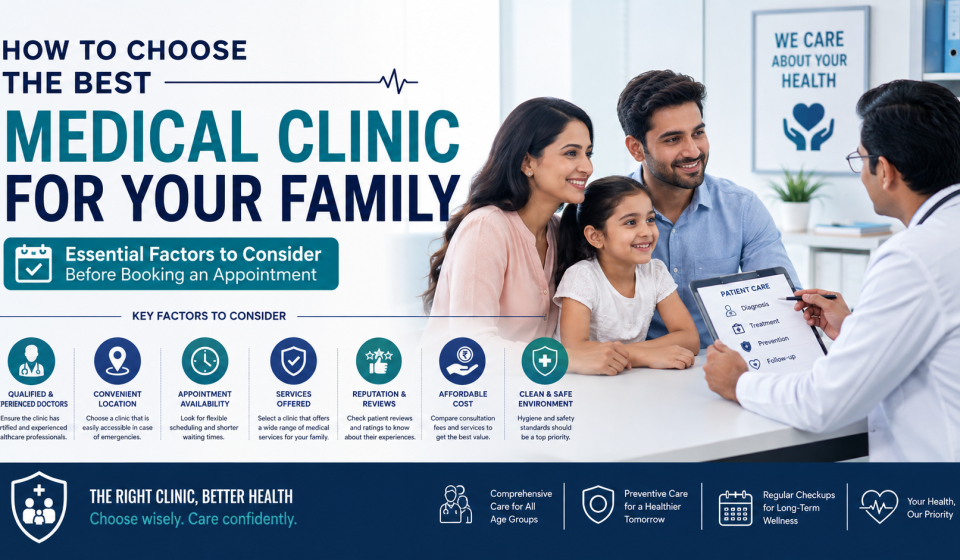
Choosing the right medical clinic for your family is one of the most important healthcare decisions you can make. A reliable clinic serves as the first point of contact for routine checkups, preventive care, vaccinations, chronic disease management, and unexpected health concerns. With so many healthcare providers available, selecting the best clinic can feel overwhelming. However, making an informed choice can significantly impact your family’s health outcomes, convenience, and overall healthcare experience. The ideal medical clinic should provide high-quality care, experienced healthcare professionals, modern facilities, and a patient-centered approach that meets the needs of every family member.
Healthcare needs vary from person to person and evolve over time. Children require regular immunizations and developmental assessments, adults may need preventive screenings and chronic disease management, while seniors often require ongoing monitoring and specialized care. A well-chosen medical clinic can provide comprehensive services for all age groups under one roof. Understanding the essential factors to consider before booking an appointment helps ensure that your family receives safe, effective, and compassionate healthcare whenever it is needed.
Why Choosing the Right Medical Clinic Matters
A medical clinic is more than just a place to seek treatment when illness occurs. It acts as a long-term healthcare partner that supports your family’s physical and mental well-being throughout different stages of life.
The right clinic can provide:
- Preventive healthcare services
- Early disease detection
- Chronic disease management
- Emergency medical support
- Health education and counseling
- Vaccinations and routine screenings
- Personalized treatment plans
When a clinic understands your family’s medical history and healthcare needs, it can deliver more effective and coordinated care.
Evaluate the Qualifications of Healthcare Professionals
One of the most important factors to consider is the experience and qualifications of the clinic’s medical staff.
Look for clinics that employ:
- Licensed physicians
- Certified specialists
- Experienced nurses
- Qualified healthcare assistants
- Professional support staff
Healthcare providers should have the necessary certifications, training, and expertise to diagnose and treat a wide range of medical conditions.
Experienced medical professionals are often better equipped to recognize symptoms, recommend appropriate treatments, and provide accurate medical advice.
Check the Clinic’s Reputation
A clinic’s reputation can reveal valuable information about the quality of care it provides.
Ways to assess reputation include:
- Reading online patient reviews
- Asking friends and family for recommendations
- Checking healthcare rating platforms
- Reviewing testimonials
- Evaluating patient satisfaction scores
Consistently positive feedback often indicates that a clinic delivers reliable healthcare services and maintains strong patient relationships.
Pay attention to comments regarding:
- Staff professionalism
- Waiting times
- Cleanliness
- Communication
- Treatment effectiveness
Consider Location and Accessibility
Convenience is a major factor when selecting a medical clinic.
A clinic located close to your home, workplace, or children’s school can make healthcare visits easier and less stressful.
Benefits of choosing a nearby clinic include:
- Faster access during emergencies
- Reduced travel time
- Easier follow-up appointments
- Greater likelihood of attending routine checkups
Accessibility features should also be considered, especially for elderly family members or individuals with disabilities.
Look for:
- Wheelchair accessibility
- Elevators
- Adequate parking
- Public transportation access
- Comfortable waiting areas
Assess Available Medical Services
A comprehensive clinic should offer a wide range of healthcare services.
Services may include:
General Medical Care
Primary healthcare services cover routine examinations, diagnosis, treatment, and preventive care.
Pediatric Care
Families with children should ensure the clinic provides:
- Child wellness checkups
- Vaccinations
- Growth monitoring
- Developmental assessments
Women’s Health Services
Women’s healthcare services may include:
- Gynecological exams
- Pregnancy care
- Family planning
- Preventive screenings
Chronic Disease Management
Patients with ongoing medical conditions benefit from clinics that offer monitoring and treatment for:
- Diabetes
- Hypertension
- Asthma
- Heart disease
Diagnostic Services
On-site diagnostic facilities improve convenience and speed up diagnosis.
Examples include:
- Laboratory testing
- Blood work
- X-rays
- Ultrasound imaging
- ECG testing
Examine Clinic Cleanliness and Hygiene Standards
Cleanliness is a critical indicator of healthcare quality and patient safety.
When visiting a clinic, observe:
- Clean waiting areas
- Sanitized examination rooms
- Proper waste disposal procedures
- Hand hygiene practices
- Infection control measures
A well-maintained clinic demonstrates professionalism and reduces the risk of healthcare-associated infections.
Evaluate Appointment Availability
Timely access to healthcare is essential.
Before choosing a clinic, consider:
- Appointment scheduling options
- Waiting times
- Same-day appointments
- Online booking systems
- Walk-in availability
A clinic with flexible scheduling can better accommodate your family’s healthcare needs.
Review Emergency and Urgent Care Support
Medical emergencies can happen unexpectedly.
Some clinics provide urgent care services that handle:
- Minor injuries
- Infections
- Fever management
- Allergic reactions
- Respiratory illnesses
Understanding the clinic’s emergency protocols can help you make informed decisions during urgent situations.
Importance of Effective Communication
Good communication is essential for quality healthcare.
Healthcare providers should:
- Listen carefully to patient concerns
- Explain diagnoses clearly
- Discuss treatment options
- Answer questions thoroughly
- Provide understandable instructions
Patients who understand their health conditions are more likely to follow treatment plans and achieve better outcomes.
Assess Technology and Modern Healthcare Tools
Modern healthcare technology improves efficiency, accuracy, and patient convenience.
Features to look for include:
Electronic Medical Records
Digital records help healthcare providers access patient information quickly and accurately.
Online Patient Portals
Patient portals allow individuals to:
- Schedule appointments
- View test results
- Access medical records
- Communicate with healthcare providers
Telemedicine Services
Virtual consultations offer convenient access to medical care without requiring an in-person visit.
Telemedicine is particularly useful for:
- Follow-up appointments
- Minor illnesses
- Chronic disease management
- Health counseling
Consider Insurance and Payment Options
Healthcare costs can vary significantly between clinics.
Before booking an appointment, verify:
- Accepted insurance plans
- Consultation fees
- Payment methods
- Billing transparency
- Coverage details
Understanding costs in advance helps avoid unexpected expenses.
Family-Friendly Environment
A family medical clinic should create a welcoming environment for patients of all ages.
Characteristics of a family-friendly clinic include:
- Comfortable waiting rooms
- Child-friendly facilities
- Courteous staff
- Patient-centered care
- Efficient appointment management
A positive healthcare environment can reduce anxiety and improve the overall patient experience.
Importance of Preventive Healthcare Services
The best clinics emphasize prevention rather than simply treating illnesses.
Preventive services may include:
- Annual health examinations
- Vaccinations
- Cancer screenings
- Blood pressure monitoring
- Cholesterol testing
- Diabetes screening
Preventive healthcare helps identify health risks early and supports long-term wellness.
Verify Licensing and Accreditation
Accreditation demonstrates that a clinic meets established healthcare quality and safety standards.
Before choosing a clinic:
- Verify professional licenses
- Confirm regulatory compliance
- Review accreditation status
- Check quality certifications
Accredited clinics often maintain higher standards of patient care and safety.
Evaluate Patient Experience
Patient experience encompasses every aspect of healthcare delivery.
Important factors include:
- Friendly reception staff
- Respectful treatment
- Efficient processes
- Comfortable facilities
- Clear communication
Positive patient experiences contribute to greater trust and long-term healthcare relationships.
Consider Specialist Referrals
Many medical conditions require specialized care.
A quality clinic should have strong referral networks with specialists such as:
- Cardiologists
- Dermatologists
- Orthopedic surgeons
- Neurologists
- Endocrinologists
Efficient referral systems help patients access specialized treatment quickly.
Healthcare for Different Family Members
Children
Children require:
- Immunizations
- Development monitoring
- Nutritional guidance
- Pediatric care
Adults
Adults benefit from:
- Preventive screenings
- Lifestyle counseling
- Chronic disease management
Seniors
Older adults often need:
- Regular monitoring
- Medication management
- Mobility assessments
- Chronic illness support
A family clinic capable of addressing diverse healthcare needs offers greater convenience and continuity of care.
Questions to Ask Before Booking an Appointment
Before selecting a clinic, consider asking:
- Are the doctors board-certified?
- What services are available?
- How long are appointment wait times?
- Do you offer telemedicine consultations?
- Which insurance plans are accepted?
- Are diagnostic services available on-site?
- What are the clinic hours?
- Is urgent care available?
Answers to these questions can help determine whether the clinic aligns with your family’s healthcare priorities.
Benefits of Establishing a Long-Term Relationship with a Clinic
Building a long-term relationship with a trusted medical clinic offers numerous advantages.
Benefits include:
- Better continuity of care
- Comprehensive medical records
- Personalized treatment plans
- Improved disease prevention
- Greater patient trust
- Faster diagnosis and treatment
Healthcare providers who know your family’s medical history can make more informed healthcare decisions and provide tailored recommendations.
Source Links
- World Health Organization (WHO)
- Centers for Disease Control and Prevention (CDC)
- National Institutes of Health (NIH)
- MedlinePlus Health Information
- Agency for Healthcare Research and Quality (AHRQ)
Conclusion
Choosing the best medical clinic for your family requires careful evaluation of several important factors, including healthcare provider qualifications, clinic reputation, available services, accessibility, technology, cleanliness, communication, and patient experience. A high-quality clinic serves as a trusted healthcare partner, supporting preventive care, early disease detection, chronic disease management, and overall wellness. Taking the time to research and compare clinics before booking an appointment can lead to better healthcare outcomes and greater peace of mind. By prioritizing quality, convenience, and comprehensive care, families can establish long-term relationships with healthcare providers who genuinely support their health and well-being for years to come.
FAQ
1.Why is choosing the right medical clinic important?
Selecting the right clinic ensures access to quality healthcare, preventive services, timely treatment, and better long-term health outcomes.
2.What should I look for in a family medical clinic?
Consider doctor qualifications, clinic reputation, available services, cleanliness, accessibility, insurance acceptance, and patient reviews.
3.How can I verify a doctor’s qualifications?
You can check licensing boards, professional certifications, clinic websites, and healthcare regulatory authorities.
4.Are online patient reviews reliable?
Reviews can provide helpful insights, but it is best to consider multiple sources and look for consistent feedback patterns.
5.Should a family clinic offer pediatric services?
Yes, families with children benefit from clinics that provide vaccinations, wellness exams, and pediatric healthcare services.
6.What role does preventive healthcare play in family medicine?
Preventive healthcare helps detect diseases early, reduce health risks, and promote long-term wellness for all family members.
7.Why are telemedicine services important?
Telemedicine offers convenient access to healthcare, especially for follow-up visits, minor illnesses, and patients with mobility limitations.
8.How important is clinic location?
A nearby clinic improves convenience, reduces travel time, and provides quicker access during urgent situations.
9.What questions should I ask before choosing a clinic?
Ask about doctor qualifications, services offered, appointment availability, insurance acceptance, and emergency care options.
10.Can one clinic serve the healthcare needs of the entire family?
Many family medical clinics provide comprehensive services for children, adults, and seniors, making healthcare management more convenient.