High Blood Pressure Explained: The Complete Guide to Causes, Symptoms, Risk Factors, Treatment Options, and Prevention Strategies for a Healthier Heart

The growing prevalence of hypertension is closely linked to modern lifestyle habits, including poor dietary choices, physical inactivity, obesity, chronic stress, and excessive alcohol consumption.
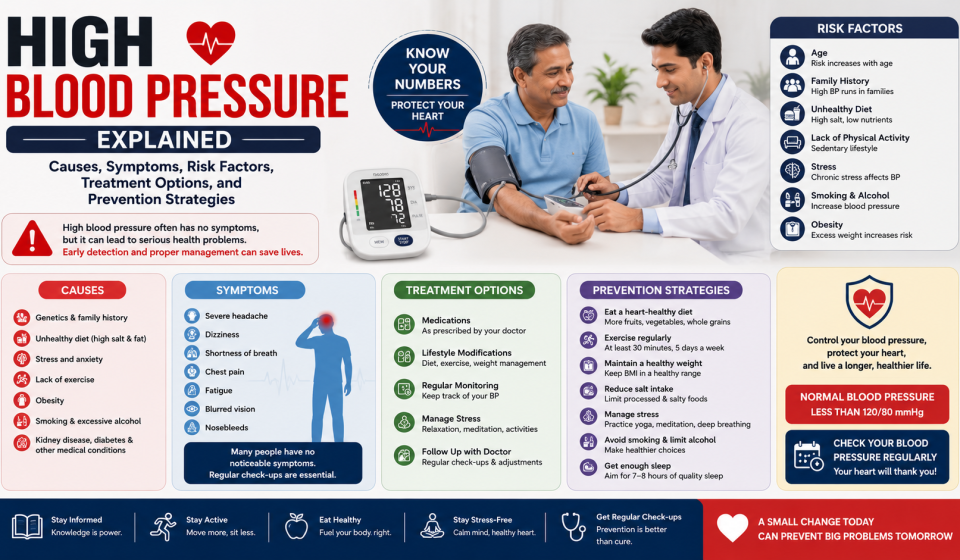
High blood pressure, also known as hypertension, is one of the most common chronic health conditions affecting millions of people worldwide. Often referred to as the “silent killer,” hypertension can develop gradually over many years without causing noticeable symptoms. Despite the lack of obvious warning signs, uncontrolled high blood pressure can significantly increase the risk of serious health problems, including heart disease, stroke, kidney damage, vision loss, and other life-threatening complications. Understanding the causes, symptoms, risk factors, treatment options, and prevention strategies associated with hypertension is essential for maintaining long-term cardiovascular health and overall well-being. While genetics and age also contribute to the development of high blood pressure, many risk factors can be managed through healthy lifestyle modifications and regular medical care. Early detection and proper treatment are critical because hypertension often damages blood vessels and organs long before symptoms become apparent. By learning how to prevent, monitor, and manage high blood pressure, individuals can reduce their risk of complications and improve their quality of life.
What Is High Blood Pressure?
Blood pressure is the force exerted by circulating blood against the walls of the arteries. It is measured using two numbers:
- Systolic pressure: The pressure when the heart beats and pumps blood.
- Diastolic pressure: The pressure when the heart rests between beats.
Blood pressure is typically expressed as millimeters of mercury (mmHg), such as 120/80 mmHg.
Normal blood pressure levels generally fall below 120/80 mmHg. When blood pressure remains consistently elevated, it is classified as hypertension.
Why High Blood Pressure Is Dangerous
Hypertension places extra strain on the heart and blood vessels. Over time, this increased pressure can damage arteries and reduce blood flow to vital organs.
Potential complications include:
- Heart attack
- Stroke
- Heart failure
- Kidney disease
- Vision problems
- Cognitive decline
- Peripheral artery disease
Because damage can occur silently, regular blood pressure monitoring is essential.
Understanding Blood Pressure Categories
Healthcare providers generally classify blood pressure into several categories:
Normal Blood Pressure
Less than 120/80 mmHg.
Elevated Blood Pressure
Systolic pressure between 120 and 129 mmHg and diastolic pressure below 80 mmHg.
Stage 1 Hypertension
Systolic pressure between 130 and 139 mmHg or diastolic pressure between 80 and 89 mmHg.
Stage 2 Hypertension
Systolic pressure of 140 mmHg or higher or diastolic pressure of 90 mmHg or higher.
Hypertensive Crisis
Blood pressure exceeding 180/120 mmHg may require immediate medical attention.
Common Causes of High Blood Pressure
In many cases, hypertension develops gradually without a single identifiable cause.
Primary Hypertension
Primary hypertension develops over time due to a combination of genetic, environmental, and lifestyle factors.
Secondary Hypertension
Secondary hypertension results from underlying medical conditions or medications.
Possible causes include:
- Kidney disease
- Thyroid disorders
- Adrenal gland disorders
- Sleep apnea
- Certain medications
- Congenital blood vessel abnormalities
Treating the underlying condition may help control blood pressure.
Symptoms of High Blood Pressure
One of the reasons hypertension is so dangerous is that it often causes no noticeable symptoms.
When symptoms occur, they may include:
- Headaches
- Dizziness
- Shortness of breath
- Fatigue
- Blurred vision
- Nosebleeds
- Chest pain
However, many people experience no symptoms even when blood pressure reaches dangerous levels.
Major Risk Factors for Hypertension
Several factors increase the likelihood of developing high blood pressure.
Age
The risk of hypertension increases with age due to natural changes in blood vessels.
Family History
Individuals with close relatives who have hypertension are more likely to develop the condition.
Obesity
Excess body weight increases the workload on the heart and contributes to elevated blood pressure.
Physical Inactivity
A sedentary lifestyle is associated with higher blood pressure and reduced cardiovascular health.
Poor Diet
Diets high in sodium, saturated fats, and processed foods contribute to hypertension.
Smoking
Tobacco use damages blood vessels and raises blood pressure.
Excessive Alcohol Consumption
Heavy drinking can increase blood pressure and contribute to heart disease.
Chronic Stress
Long-term stress may contribute to unhealthy habits and elevated blood pressure.
Diabetes
People with diabetes have an increased risk of hypertension and cardiovascular disease.
How High Blood Pressure Affects the Body
Heart Damage
Hypertension forces the heart to work harder, potentially leading to:
- Heart enlargement
- Heart failure
- Coronary artery disease
Brain Complications
High blood pressure significantly increases the risk of:
- Stroke
- Memory problems
- Cognitive decline
Kidney Damage
The kidneys rely on healthy blood vessels to filter waste effectively.
Hypertension can damage these blood vessels and impair kidney function.
Eye Problems
High blood pressure may damage the delicate blood vessels in the eyes, increasing the risk of vision loss.
Diagnosing High Blood Pressure
Healthcare providers diagnose hypertension through blood pressure measurements.
Diagnosis may involve:
- Multiple blood pressure readings
- Home blood pressure monitoring
- Ambulatory blood pressure monitoring
Additional tests may include:
- Blood tests
- Urine tests
- Electrocardiogram (ECG)
- Echocardiogram
- Kidney function tests
These evaluations help determine severity and identify possible underlying causes.
Lifestyle Changes for Managing High Blood Pressure
Lifestyle modifications are often the first step in hypertension management.
Follow a Heart-Healthy Diet
A nutritious diet can significantly reduce blood pressure levels.
Recommended foods include:
- Fruits
- Vegetables
- Whole grains
- Lean proteins
- Low-fat dairy products
- Nuts and seeds
Limiting processed foods and sodium is especially important.
Reduce Sodium Intake
Excess sodium causes the body to retain fluid, increasing blood pressure.
Tips for reducing sodium include:
- Reading food labels
- Cooking at home
- Avoiding processed foods
- Using herbs and spices instead of salt
Exercise Regularly
Physical activity strengthens the heart and improves circulation.
Recommended activities include:
- Walking
- Cycling
- Swimming
- Jogging
- Aerobic workouts
Most adults should aim for at least 150 minutes of moderate exercise weekly.
Maintain a Healthy Weight
Weight loss can significantly lower blood pressure, especially for individuals who are overweight or obese.
Quit Smoking
Smoking damages blood vessels and increases cardiovascular risk.
Stopping tobacco use provides immediate and long-term health benefits.
Limit Alcohol Consumption
Moderate alcohol intake supports better blood pressure control.
Manage Stress
Stress management techniques include:
- Meditation
- Deep breathing exercises
- Yoga
- Mindfulness practices
- Regular physical activity
Reducing stress promotes both mental and cardiovascular health.
Medications Used to Treat Hypertension
Some individuals require medications in addition to lifestyle changes.
Common medication categories include:
Diuretics
Help the body eliminate excess sodium and fluid.
ACE Inhibitors
Relax blood vessels and improve blood flow.
Angiotensin II Receptor Blockers (ARBs)
Block hormone activity that narrows blood vessels.
Calcium Channel Blockers
Relax blood vessel walls and reduce blood pressure.
Beta-Blockers
Reduce heart rate and decrease the heart’s workload.
Medication selection depends on individual health conditions and risk factors.
Preventing High Blood Pressure
Preventive measures can significantly reduce the risk of hypertension.
Eat a Balanced Diet
Focus on nutrient-rich foods and limit unhealthy fats, sugar, and sodium.
Stay Physically Active
Regular exercise supports healthy blood pressure and overall cardiovascular fitness.
Maintain a Healthy Weight
Healthy weight management reduces strain on the heart and blood vessels.
Avoid Tobacco Products
Eliminating smoking is one of the most effective ways to protect cardiovascular health.
Limit Alcohol Intake
Moderation supports blood pressure control.
Prioritize Sleep
Poor sleep quality may contribute to elevated blood pressure.
Most adults need seven to nine hours of sleep per night.
Attend Regular Health Checkups
Routine medical examinations allow healthcare providers to detect hypertension early and recommend appropriate interventions.
High Blood Pressure in Older Adults
Older adults face a higher risk of hypertension due to age-related changes in blood vessels.
Regular monitoring is especially important because seniors are more vulnerable to complications such as:
- Stroke
- Heart disease
- Kidney damage
Healthcare providers often tailor treatment plans to meet the unique needs of older individuals.
Importance of Home Blood Pressure Monitoring
Home monitoring can help individuals track blood pressure between medical appointments.
Benefits include:
- Early detection of changes
- Better treatment adherence
- Improved patient awareness
- Enhanced communication with healthcare providers
Keeping a blood pressure log can support more effective management.
Source Links
- World Health Organization (WHO) – Hypertension Information
- Centers for Disease Control and Prevention (CDC) – High Blood Pressure Resources
- National Heart, Lung, and Blood Institute (NHLBI)
- American Heart Association (AHA)
- MedlinePlus – High Blood Pressure Health Information
Conclusion
High blood pressure is a serious but manageable condition that affects millions of people worldwide. Although hypertension often develops without noticeable symptoms, it can lead to severe complications such as heart disease, stroke, kidney failure, and vision loss if left untreated. Understanding the causes, symptoms, risk factors, treatment options, and prevention strategies is essential for protecting cardiovascular health and maintaining overall well-being. Through healthy lifestyle choices, regular physical activity, balanced nutrition, stress management, routine health screenings, and appropriate medical treatment, individuals can effectively control blood pressure and reduce the risk of long-term complications. Taking proactive steps today can lead to a healthier heart, improved quality of life, and greater longevity.
FAQ
1.What is high blood pressure?
High blood pressure, or hypertension, is a condition in which the force of blood against artery walls remains consistently elevated.
2.Why is hypertension called the silent killer?
Because it often causes no symptoms while gradually damaging blood vessels and organs.
3.What is considered normal blood pressure?
Normal blood pressure is generally below 120/80 mmHg.
4.Can high blood pressure cause symptoms?
Many people experience no symptoms, but some may develop headaches, dizziness, blurred vision, or shortness of breath.
5.What are the main risk factors for hypertension?
Risk factors include age, obesity, family history, poor diet, physical inactivity, smoking, stress, and excessive alcohol consumption.
6.Can lifestyle changes lower blood pressure?
Yes. Healthy eating, exercise, weight management, smoking cessation, and stress reduction can significantly improve blood pressure control.
7.How often should blood pressure be checked?
Adults should have their blood pressure checked regularly, especially if they have risk factors for hypertension.
8.What foods help lower blood pressure?
Fruits, vegetables, whole grains, lean proteins, low-fat dairy products, nuts, and seeds support heart health.
9.Are medications always necessary for hypertension?
Not always. Some individuals can control blood pressure through lifestyle changes, while others require medication.
10.Can high blood pressure be prevented?
Many cases can be prevented through healthy habits, regular exercise, balanced nutrition, maintaining a healthy weight, and routine medical care.