The Ultimate Preventive Healthcare Guide: How Regular Health Checkups Help Detect Diseases Early and Boost Long-Term Wellness

Healthcare systems worldwide are increasingly emphasizing prevention rather than treatment because it leads to healthier populations and lower medical expenses.
Preventive healthcare is one of the most effective ways to maintain good health and improve quality of life. Instead of waiting for symptoms to appear, preventive healthcare focuses on identifying potential health issues before they become serious. Regular health checkups, screenings, vaccinations, and healthy lifestyle choices play a crucial role in preventing diseases and ensuring long-term wellness. In today’s fast-paced world, many people ignore routine medical examinations because they feel healthy, but numerous diseases can develop silently without noticeable symptoms. Early detection through preventive healthcare can significantly improve treatment outcomes and reduce healthcare costs. Conditions such as diabetes, hypertension, heart disease, and certain types of cancer often progress gradually over time. By scheduling regular health checkups and following recommended screening guidelines, individuals can identify risks early and take proactive measures to protect their health. Preventive healthcare is not only beneficial for physical health but also supports mental well-being, productivity, and overall life satisfaction.
What Is Preventive Healthcare?
Preventive healthcare refers to medical services and practices designed to prevent illnesses, detect diseases early, and promote overall health. Unlike reactive healthcare, which focuses on treating diseases after they occur, preventive healthcare aims to reduce the risk of developing serious health conditions.
Preventive healthcare includes regular medical checkups, vaccinations, screenings, lifestyle counseling, nutritional guidance, and health education. These measures help healthcare professionals identify risk factors and intervene before conditions worsen.
Preventive healthcare is typically divided into three categories:
Primary Prevention
Primary prevention aims to stop diseases before they occur. Examples include vaccinations, healthy eating habits, regular exercise, smoking cessation, and maintaining a healthy weight.
Secondary Prevention
Secondary prevention focuses on detecting diseases in their early stages through screenings and regular health examinations. Examples include mammograms, blood pressure monitoring, cholesterol testing, and diabetes screenings.
Tertiary Prevention
Tertiary prevention involves managing existing conditions to prevent complications and improve quality of life. Examples include rehabilitation programs, chronic disease management, and ongoing medical monitoring.
Why Regular Health Checkups Matter
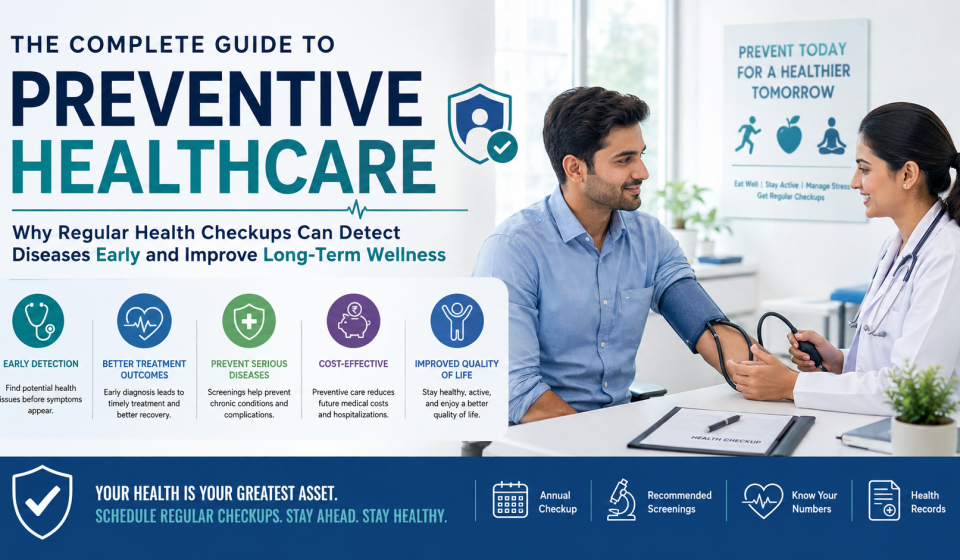
Regular health checkups are a cornerstone of preventive healthcare. They provide an opportunity for healthcare professionals to assess overall health, identify potential concerns, and recommend appropriate interventions.
Many serious diseases develop gradually and may not show symptoms until significant damage has occurred. Routine examinations can reveal abnormalities long before symptoms become noticeable.
Benefits of regular health checkups include:
- Early disease detection
- Better treatment outcomes
- Reduced healthcare costs
- Improved life expectancy
- Enhanced quality of life
- Prevention of disease complications
- Increased awareness of personal health status
Early Detection Saves Lives
One of the greatest advantages of preventive healthcare is early disease detection. Detecting illnesses at an early stage often increases the likelihood of successful treatment and recovery.
Heart Disease
Heart disease remains one of the leading causes of death worldwide. Regular blood pressure checks, cholesterol screenings, and cardiovascular assessments help identify risk factors before serious complications such as heart attacks or strokes occur.
Diabetes
Type 2 diabetes can develop gradually without obvious symptoms. Routine blood sugar testing allows healthcare providers to identify prediabetes and implement lifestyle changes that may prevent the condition from progressing.
Cancer
Many forms of cancer are more treatable when detected early. Screening tests such as mammograms, colonoscopies, Pap smears, and prostate exams can identify abnormalities before they become life-threatening.
Kidney Disease
Kidney disease often progresses silently. Regular urine and blood tests can detect kidney problems early, allowing timely treatment and lifestyle adjustments.
Common Health Screenings Everyone Should Consider
Health screenings vary based on age, gender, family history, and individual risk factors. Some common preventive screenings include:
Blood Pressure Screening
High blood pressure often has no symptoms but significantly increases the risk of heart disease and stroke. Regular monitoring helps identify hypertension early.
Cholesterol Testing
High cholesterol contributes to cardiovascular disease. Routine testing allows individuals to manage cholesterol levels through diet, exercise, and medication if necessary.
Blood Glucose Testing
Blood sugar tests help identify diabetes and prediabetes, enabling early intervention and better disease management.
Cancer Screenings
Recommended screenings may include:
- Mammograms for breast cancer
- Pap tests for cervical cancer
- Colonoscopies for colorectal cancer
- Prostate screenings for men
- Skin examinations for skin cancer
Bone Density Tests
Bone density screenings help identify osteoporosis and reduce the risk of fractures, particularly among older adults.
Eye Examinations
Regular eye exams can detect glaucoma, cataracts, diabetic retinopathy, and other vision-related conditions.
Dental Checkups
Oral health is closely linked to overall health. Routine dental visits help prevent gum disease, tooth decay, and other oral health problems.
The Role of Vaccinations in Preventive Healthcare
Vaccinations are among the most successful preventive healthcare measures ever developed. They protect individuals and communities from infectious diseases.
Common vaccines include:
- Influenza vaccine
- COVID-19 vaccine
- Hepatitis vaccines
- Tetanus vaccine
- Human Papillomavirus (HPV) vaccine
- Pneumococcal vaccine
- Shingles vaccine
Vaccinations not only protect vaccinated individuals but also contribute to herd immunity, reducing disease transmission within communities.
Lifestyle Choices and Preventive Health
Preventive healthcare extends beyond doctor’s visits and screenings. Daily lifestyle choices have a profound impact on long-term health outcomes.
Healthy Nutrition
A balanced diet rich in fruits, vegetables, whole grains, lean proteins, and healthy fats supports overall health and reduces the risk of chronic diseases.
Healthy eating benefits include:
- Improved heart health
- Better weight management
- Stronger immune function
- Reduced risk of diabetes
- Enhanced energy levels
Regular Physical Activity
Exercise is essential for maintaining physical and mental well-being.
Benefits include:
- Improved cardiovascular health
- Weight control
- Reduced stress
- Stronger muscles and bones
- Better sleep quality
Most adults should aim for at least 150 minutes of moderate-intensity exercise each week.
Adequate Sleep
Quality sleep plays a critical role in physical recovery, immune function, and mental health. Adults generally require seven to nine hours of sleep per night.
Stress Management
Chronic stress can contribute to numerous health problems, including hypertension, anxiety, depression, and weakened immunity.
Effective stress management techniques include:
- Meditation
- Yoga
- Deep breathing exercises
- Physical activity
- Time management
- Social support
Avoiding Harmful Habits
Limiting alcohol consumption and avoiding tobacco products significantly reduces the risk of chronic diseases and premature death.
Preventive Healthcare Across Different Life Stages
Children and Adolescents
Preventive healthcare for children focuses on:
- Immunizations
- Growth monitoring
- Nutritional guidance
- Developmental screenings
- Vision and hearing tests
Young Adults
Young adults benefit from:
- Routine physical exams
- Mental health assessments
- Sexual health screenings
- Healthy lifestyle counseling
Middle-Aged Adults
Preventive priorities often include:
- Cardiovascular screenings
- Diabetes testing
- Cancer screenings
- Weight management
Older Adults
Older adults require increased attention to:
- Bone health
- Cognitive assessments
- Chronic disease management
- Fall prevention
- Vaccinations
Mental Health and Preventive Care
Mental health is an essential component of overall wellness. Preventive mental healthcare focuses on identifying emotional and psychological concerns before they become severe.
Routine mental health assessments can help detect:
- Anxiety disorders
- Depression
- Stress-related conditions
- Substance abuse issues
Maintaining mental health involves:
- Building strong social connections
- Practicing mindfulness
- Seeking professional support when needed
- Maintaining healthy daily routines
Economic Benefits of Preventive Healthcare
Preventive healthcare offers significant financial advantages. Detecting and treating conditions early is generally less expensive than managing advanced diseases.
Benefits include:
- Lower medical bills
- Reduced hospitalization costs
- Fewer emergency visits
- Less time away from work
- Increased productivity
Investing in preventive care today can lead to substantial healthcare savings in the future.
Overcoming Barriers to Preventive Healthcare
Despite its benefits, many individuals do not participate in preventive healthcare due to various barriers.
Common obstacles include:
- Lack of awareness
- Financial concerns
- Busy schedules
- Fear of medical procedures
- Limited access to healthcare services
Strategies to overcome these barriers include:
- Health education programs
- Affordable healthcare options
- Telemedicine services
- Workplace wellness initiatives
- Community health campaigns
Building a Personal Preventive Healthcare Plan
Creating a preventive healthcare plan can help individuals stay proactive about their health.
Key steps include:
- Schedule annual health checkups.
- Follow recommended screening guidelines.
- Stay up to date with vaccinations.
- Maintain a healthy diet.
- Exercise regularly.
- Manage stress effectively.
- Monitor important health indicators.
- Avoid smoking and excessive alcohol consumption.
- Prioritize mental health.
- Follow healthcare provider recommendations.
Source Links
- World Health Organization (WHO) – Preventive Health Information
- Centers for Disease Control and Prevention (CDC) – Prevention Guidelines
- National Institutes of Health (NIH) – Health Resources
- MedlinePlus – Preventive Care Information
Conclusion
Preventive healthcare is a powerful approach to achieving long-term wellness and reducing the burden of chronic diseases. Regular health checkups, screenings, vaccinations, and healthy lifestyle choices allow individuals to identify risks early and take proactive steps toward better health. Early detection often leads to more effective treatments, improved outcomes, and lower healthcare costs. By embracing preventive healthcare practices at every stage of life, individuals can enjoy longer, healthier, and more fulfilling lives. Investing in prevention today is one of the most valuable decisions anyone can make for their future well-being.
FAQ
1.What is preventive healthcare?
Preventive healthcare includes medical services and healthy lifestyle practices aimed at preventing diseases and detecting health issues early.
2.Why are regular health checkups important?
Regular health checkups help identify potential health problems before symptoms appear, allowing for earlier treatment and better outcomes.
3.How often should I get a health checkup?
Most adults should have an annual health checkup, although frequency may vary based on age, health status, and risk factors.
4.What diseases can be detected early through preventive screenings?
Screenings can help detect conditions such as diabetes, hypertension, heart disease, certain cancers, osteoporosis, and kidney disease.
5.Are preventive healthcare services cost-effective?
Yes, preventive healthcare often reduces overall medical expenses by identifying and treating conditions before they become severe.
6.What role do vaccines play in preventive healthcare?
Vaccines protect against infectious diseases and help prevent outbreaks within communities.
7.Can lifestyle changes improve preventive healthcare outcomes?
Absolutely. Healthy eating, regular exercise, adequate sleep, stress management, and avoiding tobacco significantly improve long-term health.
8.Is mental health part of preventive healthcare?
Yes, mental health assessments and stress management strategies are essential components of comprehensive preventive healthcare.
9.What screenings are recommended for adults?
Common screenings include blood pressure checks, cholesterol tests, diabetes screenings, cancer screenings, eye exams, and dental examinations.
10.How can I start a preventive healthcare routine?
Begin by scheduling a health checkup, following screening recommendations, maintaining healthy habits, and staying informed about your health needs.