
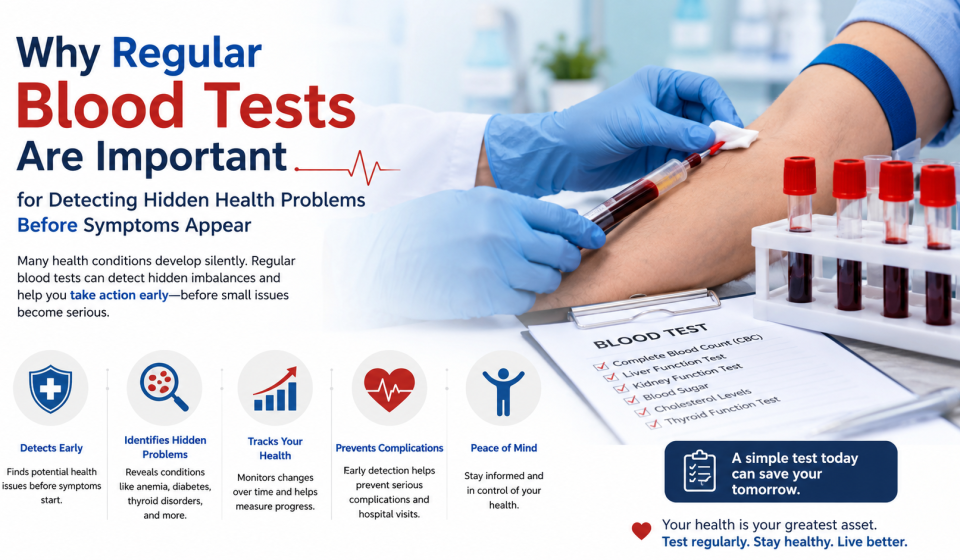

Discover why regular blood tests are essential for detecting hidden health problems before symptoms appear. Learn how routine blood testing helps prevent diseases, improves early diagnosis, and supports long-term health.
Many serious health conditions develop silently without causing noticeable symptoms in their early stages. Diseases such as diabetes, high cholesterol, anemia, liver disease, kidney disorders, thyroid imbalance, and certain infections can progress for months or even years before warning signs appear. By the time symptoms become obvious, the condition may already require extensive treatment. Regular blood tests offer a simple, affordable, and effective way to detect these hidden health issues before they become severe.Routine blood testing is one of the most valuable tools in preventive healthcare. Instead of waiting until you feel unwell, regular screening helps healthcare providers monitor your body’s internal functions, identify abnormalities early, and recommend timely treatment or lifestyle changes. Whether you are a young adult, middle-aged individual, or senior citizen, routine blood tests can significantly improve your overall health and reduce the risk of long-term complications.
What Are Regular Blood Tests?
Regular blood tests are laboratory examinations performed on a small sample of blood to evaluate your overall health. These tests measure various components of your blood, including blood cells, hormones, cholesterol levels, blood sugar, vitamins, minerals, enzymes, and organ function markers.
Doctors recommend blood tests during annual health checkups because many diseases begin silently without causing pain or visible symptoms. Blood testing allows healthcare professionals to identify abnormalities at an early stage when treatment is usually simpler, less expensive, and more successful.
Why Many Diseases Have No Early Symptoms
The human body is remarkably capable of adapting to internal changes. As a result, many diseases gradually develop without producing obvious signs. Conditions like high cholesterol, hypertension, fatty liver disease, early kidney disease, thyroid disorders, vitamin deficiencies, and prediabetes often progress unnoticed.
Individuals may feel completely healthy while underlying damage slowly affects vital organs. Regular blood tests uncover these silent changes long before symptoms appear, allowing preventive measures that protect long-term health.
Benefits of Regular Blood Tests
Early Detection of Diseases
One of the biggest advantages of routine blood testing is early disease detection. Many serious illnesses become much easier to manage when diagnosed in their earliest stages.
Blood tests can identify:
- Diabetes
- Prediabetes
- High cholesterol
- Liver disease
- Kidney disease
- Thyroid disorders
- Anemia
- Vitamin deficiencies
- Hormonal imbalances
- Certain infections
- Inflammatory conditions
Early diagnosis often leads to faster recovery and better treatment outcomes.
Prevention of Serious Health Complications
Treating diseases before they worsen prevents severe complications.
For example:
- Early diabetes management helps prevent nerve damage, blindness, kidney failure, and heart disease.
- Managing high cholesterol reduces the risk of heart attacks and strokes.
- Early kidney disease treatment slows kidney damage.
- Correcting vitamin deficiencies improves immunity and energy levels.
Preventive healthcare always costs less than treating advanced disease.
Monitoring Overall Health
Routine blood tests provide an overview of your body’s health.
Doctors can monitor:
- Blood sugar
- Cholesterol
- Liver function
- Kidney function
- Immune system
- Nutritional status
- Blood cell counts
- Hormone balance
Tracking these values over time helps identify small changes before they become significant health problems.
Better Management of Existing Conditions
People already diagnosed with chronic illnesses require regular blood tests to evaluate treatment effectiveness.
Blood monitoring helps doctors adjust medications for:
- Diabetes
- Thyroid disease
- High cholesterol
- Liver disorders
- Kidney disease
- Heart disease
Regular testing ensures treatment remains safe and effective.
Common Blood Tests Everyone Should Know
Complete Blood Count (CBC)
CBC evaluates:
- Red blood cells
- White blood cells
- Hemoglobin
- Hematocrit
- Platelets
It helps diagnose anemia, infections, immune disorders, and certain blood diseases.
Blood Glucose Test
This measures blood sugar levels.
It helps detect:
- Prediabetes
- Diabetes
- Blood sugar control
Early intervention prevents serious diabetic complications.
HbA1c Test
HbA1c reflects average blood sugar levels over approximately three months.
Doctors use this test to:
- Diagnose diabetes
- Monitor treatment
- Assess long-term blood sugar control
Lipid Profile
This measures:
- Total cholesterol
- LDL cholesterol
- HDL cholesterol
- Triglycerides
High cholesterol usually causes no symptoms but significantly increases heart disease risk.
Liver Function Test (LFT)
Liver tests measure enzymes and proteins that indicate liver health.
They help detect:
- Fatty liver
- Hepatitis
- Liver inflammation
- Medication-related liver damage
Kidney Function Test (KFT)
Kidney function tests assess:
- Creatinine
- Blood urea nitrogen
- Electrolytes
These tests help identify kidney disease before symptoms appear.
Thyroid Function Test
Thyroid hormones regulate metabolism, energy, body temperature, and weight.
Blood tests identify:
- Hypothyroidism
- Hyperthyroidism
- Thyroid dysfunction
Vitamin D Test
Vitamin D deficiency is extremely common.
Low levels may contribute to:
- Weak bones
- Muscle pain
- Fatigue
- Poor immunity
Vitamin B12 Test
Vitamin B12 deficiency may cause:
- Fatigue
- Memory problems
- Nerve damage
- Anemia
Early diagnosis prevents permanent neurological complications.
Iron Studies
Iron tests help diagnose:
- Iron deficiency anemia
- Iron overload disorders
They are especially useful for women and individuals with persistent fatigue.
Hidden Health Problems Blood Tests Can Detect
Diabetes
Many individuals have diabetes for years before diagnosis.
Routine blood testing detects elevated blood sugar early, allowing lifestyle changes that may delay or prevent disease progression.
High Cholesterol
High cholesterol causes no pain.
Blood tests identify unhealthy cholesterol levels before heart disease develops.
Anemia
Low hemoglobin reduces oxygen delivery throughout the body.
Blood testing helps identify nutritional deficiencies, blood loss, or chronic disease causing anemia.
Kidney Disease
Kidney disease often progresses silently until significant damage occurs.
Routine blood tests identify declining kidney function early.
Liver Disease
Fatty liver disease affects millions of adults without symptoms.
Blood testing reveals liver inflammation before permanent damage develops.
Thyroid Disorders
An overactive or underactive thyroid can affect weight, mood, metabolism, fertility, and heart function.
Blood tests allow accurate diagnosis and treatment.
Nutritional Deficiencies
Blood tests can identify deficiencies in:
- Iron
- Vitamin D
- Vitamin B12
- Folate
Correcting these deficiencies improves overall health.
Who Should Get Regular Blood Tests?
Regular blood testing benefits everyone, but it is especially important for:
- Adults over age 30
- Individuals with diabetes
- People with hypertension
- Individuals with obesity
- Smokers
- People with family histories of chronic diseases
- Pregnant women
- Senior citizens
- Individuals taking long-term medications
Even healthy adults should undergo routine screening annually.
How Often Should Blood Tests Be Done?
Testing frequency depends on age, medical history, and personal risk factors.
General recommendations include:
- Healthy adults: Once every year
- Diabetes patients: Every 3–6 months
- High cholesterol: Every year or as advised
- Thyroid disorders: Every 6–12 months
- Kidney disease: Based on physician recommendation
- Older adults: Annual comprehensive testing
Always follow your healthcare provider’s advice.
Preparing for a Blood Test
Some blood tests require fasting.
Preparation may include:
- Drinking water
- Avoiding food for 8–12 hours
- Avoiding alcohol
- Informing your doctor about medications
- Getting adequate sleep
Following instructions ensures accurate results.
Understanding Blood Test Results
Blood test reports contain reference ranges based on healthy populations.
An abnormal result does not always indicate disease. Factors such as age, medications, temporary illness, hydration, and laboratory differences can influence results.
Always discuss your report with a qualified healthcare professional before drawing conclusions.
The Role of Blood Tests in Preventive Healthcare
Preventive healthcare focuses on preventing disease rather than treating illness after symptoms develop.
Blood testing supports prevention by:
- Identifying risk factors
- Monitoring chronic conditions
- Guiding healthy lifestyle changes
- Detecting disease early
- Reducing healthcare costs
- Improving quality of life
This proactive approach helps people stay healthier for longer.
Lifestyle Changes Based on Blood Test Results
Blood test findings often motivate healthier habits.
Doctors may recommend:
- Eating a balanced diet
- Reducing sugar intake
- Limiting saturated fats
- Increasing physical activity
- Losing excess weight
- Quitting smoking
- Reducing alcohol consumption
- Managing stress
- Improving sleep quality
These changes can significantly improve blood test results over time.
Blood Tests and Heart Health
Heart disease remains one of the leading causes of death worldwide.
Routine blood tests help evaluate cardiovascular risk by measuring:
- Cholesterol
- Triglycerides
- Blood sugar
- Inflammatory markers
Managing abnormal values reduces the likelihood of heart attacks and strokes.
Blood Tests During Different Life Stages
Children may require blood tests for nutritional deficiencies or inherited conditions. Young adults benefit from baseline health assessments. Middle-aged adults should monitor cholesterol, diabetes, liver, and kidney function. Older adults often require comprehensive blood screening to detect age-related conditions early.
Regular monitoring throughout life supports healthy aging and timely medical intervention.
Why Skipping Blood Tests Can Be Risky
Ignoring routine blood tests may delay the diagnosis of serious illnesses. Conditions like diabetes, chronic kidney disease, liver disorders, and high cholesterol can silently damage organs for years. Delayed diagnosis often leads to more complex treatment, higher medical expenses, and a greater risk of permanent complications.
Routine screening provides peace of mind and allows you to take control of your health before problems become severe.
Future of Blood Testing
Medical technology continues to improve blood testing with faster results, greater accuracy, and more comprehensive screening panels. Advances in artificial intelligence, automation, and precision medicine are making blood tests even more effective in predicting disease risk and supporting personalized healthcare.
As healthcare evolves, routine blood testing will remain one of the most powerful tools for early disease detection and preventive care.
Source Links
https://www.who.int
https://www.cdc.gov
https://medlineplus.gov
https://www.nhlbi.nih.gov
https://www.niddk.nih.gov
Conclusion
Regular blood tests are among the simplest yet most effective ways to protect your health. They provide valuable insights into how your body is functioning and help identify hidden health problems long before symptoms appear. Early detection allows timely treatment, prevents disease progression, reduces healthcare costs, and improves overall quality of life. Whether you feel perfectly healthy or have existing medical conditions, routine blood testing should be an essential part of your preventive healthcare plan. By combining regular screening with a healthy lifestyle and professional medical guidance, you can take proactive steps toward a longer, healthier, and more fulfilling life.
FAQs
1. Why are regular blood tests important even if I feel healthy?
Many diseases develop without symptoms in their early stages. Regular blood tests help detect hidden health problems before they become serious.
2. How often should healthy adults get blood tests?
Most healthy adults should have routine blood tests once a year, although the frequency may vary depending on age, family history, and individual health risks.
3. Can blood tests detect cancer?
Routine blood tests cannot diagnose all cancers, but they can reveal abnormalities that may require further investigation.
4. Do I need to fast before every blood test?
No. Only certain tests, such as fasting blood glucose or lipid profile, may require fasting. Follow your healthcare provider’s instructions.
5. What is the most common blood test during an annual checkup?
A Complete Blood Count (CBC), blood glucose test, lipid profile, liver function test, kidney function test, and thyroid function test are commonly included.