The Ultimate Guide to Annual Physical Examinations: Why Adults, Seniors, and Children Need Yearly Health Checkups for Better Long-Term Wellness

Annual physical examinations provide an opportunity to catch these conditions early, when treatment is often more effective and less costly.
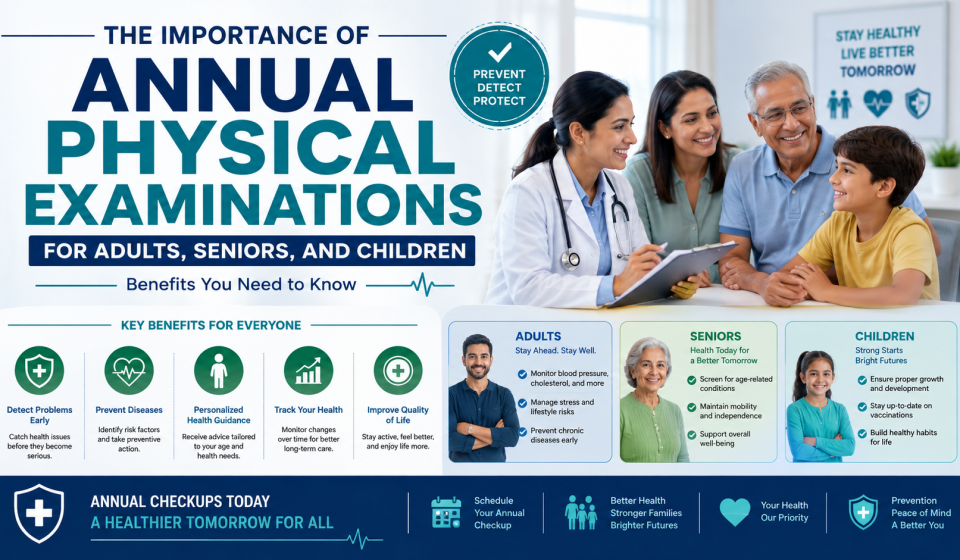
Annual physical examinations are one of the most important components of preventive healthcare. These routine health assessments help individuals monitor their overall well-being, detect potential medical conditions early, and establish a strong foundation for long-term health. While many people only visit a doctor when they feel sick, regular physical examinations can identify hidden health issues before symptoms appear. Whether for children, adults, or seniors, annual checkups play a crucial role in maintaining optimal health and preventing serious diseases. Healthcare professionals use these examinations to evaluate physical health, review medical history, assess risk factors, and recommend preventive measures tailored to each individual.In today’s fast-paced world, many people postpone routine health screenings due to busy schedules or because they feel healthy. However, numerous conditions such as high blood pressure, diabetes, heart disease, and certain cancers can develop silently without noticeable symptoms. By making yearly checkups a priority, individuals can improve their quality of life, reduce healthcare expenses, and increase their chances of living longer, healthier lives.
What Is an Annual Physical Examination?
An annual physical examination is a comprehensive health assessment performed by a healthcare professional once a year. The purpose is to evaluate overall health, identify potential medical issues, monitor existing conditions, and provide preventive care recommendations.
During an annual physical examination, healthcare providers may:
- Review medical history
- Assess family health history
- Measure vital signs
- Conduct physical assessments
- Recommend screenings and tests
- Update vaccinations
- Discuss lifestyle habits
- Evaluate mental health
The examination helps create a complete picture of an individual’s health status and allows healthcare professionals to develop personalized wellness plans.
Why Annual Physical Examinations Matter
Regular health checkups provide numerous benefits that contribute to long-term wellness.
Some key advantages include:
- Early disease detection
- Prevention of serious health conditions
- Better management of chronic diseases
- Improved treatment outcomes
- Enhanced quality of life
- Reduced healthcare costs
- Increased life expectancy
Routine examinations enable healthcare providers to identify risk factors before they become serious health concerns.
Early Detection of Diseases
One of the greatest benefits of annual physical examinations is early disease detection.
Many health conditions develop gradually and may not cause noticeable symptoms during their early stages.
Conditions commonly detected through annual checkups include:
High Blood Pressure
Hypertension is often called the “silent killer” because it frequently develops without symptoms. Routine blood pressure measurements help identify hypertension before complications such as heart disease or stroke occur.
Diabetes
Blood glucose testing can detect prediabetes and diabetes early, allowing lifestyle modifications and treatment interventions that may prevent complications.
Heart Disease
Regular cardiovascular assessments help identify risk factors such as high cholesterol, obesity, and elevated blood pressure.
Cancer
Screenings performed during annual examinations can help detect certain cancers at earlier, more treatable stages.
Kidney Disease
Routine blood and urine tests may reveal early signs of kidney dysfunction before symptoms develop.
Benefits of Annual Physical Exams for Adults
Adults face increasing health risks as they age. Annual checkups provide valuable opportunities to assess health and implement preventive strategies.
Monitoring Overall Health
Healthcare professionals evaluate:
- Blood pressure
- Heart rate
- Weight
- Body mass index (BMI)
- Cholesterol levels
- Blood sugar levels
Tracking these indicators helps identify trends and potential health concerns.
Lifestyle Counseling
Annual examinations allow healthcare providers to discuss:
- Nutrition
- Physical activity
- Sleep habits
- Stress management
- Smoking cessation
- Alcohol consumption
Healthy lifestyle choices significantly reduce the risk of chronic diseases.
Preventive Screenings
Adults may receive recommendations for:
- Cholesterol testing
- Diabetes screening
- Cancer screenings
- Bone density assessments
- Vision and hearing evaluations
These screenings help identify medical conditions before they become severe.
Importance of Annual Physical Exams for Seniors
As people age, healthcare needs become more complex. Seniors often face a higher risk of chronic illnesses and age-related conditions.
Managing Chronic Conditions
Annual examinations help monitor conditions such as:
- Heart disease
- Diabetes
- Arthritis
- Osteoporosis
- Chronic kidney disease
Regular monitoring improves treatment effectiveness and reduces complications.
Cognitive Health Assessments
Healthcare providers may evaluate:
- Memory
- Cognitive function
- Mental sharpness
Early identification of cognitive decline allows for timely interventions and support.
Fall Risk Assessment
Falls are a leading cause of injury among older adults.
Annual checkups may include evaluations of:
- Balance
- Mobility
- Muscle strength
- Vision
Addressing these factors can help prevent serious injuries.
Medication Review
Seniors often take multiple medications.
Healthcare providers review medications to:
- Prevent drug interactions
- Ensure proper dosing
- Identify side effects
Medication management is essential for maintaining safety and effectiveness.
Importance of Annual Physical Exams for Children
Children require regular health assessments to support healthy growth and development.
Monitoring Growth and Development
Pediatric examinations track:
- Height
- Weight
- Growth patterns
- Developmental milestones
These assessments help identify potential developmental concerns early.
Immunizations
Vaccinations are a critical part of preventive healthcare.
Annual visits ensure children remain up to date with recommended immunization schedules.
Vision and Hearing Screenings
Early detection of vision or hearing problems supports academic performance and social development.
Behavioral and Emotional Assessments
Healthcare providers may evaluate:
- Emotional well-being
- Social development
- Behavioral concerns
Early intervention can improve long-term outcomes.
Components of a Typical Annual Physical Examination
Although examinations vary based on age and health status, common components include:
Medical History Review
Healthcare providers discuss:
- Current symptoms
- Past illnesses
- Surgeries
- Family medical history
- Medications
This information helps identify risk factors and guide healthcare decisions.
Vital Signs Measurement
Vital signs commonly assessed include:
- Blood pressure
- Heart rate
- Respiratory rate
- Temperature
Abnormal readings may indicate underlying health concerns.
Physical Examination
The provider may examine:
- Heart
- Lungs
- Abdomen
- Skin
- Eyes
- Ears
- Throat
- Musculoskeletal system
These assessments help detect physical abnormalities.
Laboratory Testing
Depending on individual needs, laboratory tests may include:
- Blood sugar testing
- Cholesterol screening
- Complete blood count
- Kidney function tests
- Liver function tests
Laboratory evaluations provide valuable insights into overall health.
The Role of Preventive Healthcare
Annual physical examinations are a cornerstone of preventive healthcare.
Preventive healthcare focuses on:
- Disease prevention
- Risk reduction
- Early intervention
- Health promotion
Rather than waiting for illness to develop, preventive care encourages proactive health management.
Mental Health and Annual Checkups
Mental health is an essential aspect of overall wellness.
Annual examinations provide opportunities to identify:
- Depression
- Anxiety
- Stress-related disorders
- Sleep disturbances
Healthcare providers can recommend counseling, therapy, or other support services when needed.
Vaccinations and Immunizations
Annual physical examinations are an excellent time to review vaccination status.
Recommended vaccines may include:
- Influenza vaccine
- COVID-19 vaccine
- Tetanus booster
- Shingles vaccine
- Pneumococcal vaccine
Vaccinations help protect individuals and communities from infectious diseases.
Building a Long-Term Relationship with Your Healthcare Provider
Regular visits foster strong relationships between patients and healthcare professionals.
Benefits include:
- Better communication
- Personalized care
- Comprehensive medical records
- Improved treatment coordination
- Greater patient trust
Healthcare providers who understand a patient’s medical history can deliver more effective care.
Reducing Healthcare Costs Through Prevention
Preventive healthcare often costs less than treating advanced diseases.
Benefits include:
- Fewer hospitalizations
- Reduced emergency visits
- Lower treatment expenses
- Earlier intervention
- Improved disease management
Investing in annual checkups can result in significant long-term savings.
Common Misconceptions About Annual Physical Examinations
“I Feel Fine, So I Don’t Need a Checkup”
Many serious diseases develop without noticeable symptoms. Feeling healthy does not guarantee the absence of medical conditions.
“Annual Exams Are Only for Older Adults”
People of all ages benefit from routine health assessments.
“Health Checkups Are Too Expensive”
Preventive care often reduces future healthcare costs by identifying conditions before they become severe.
“I Only Need a Doctor When I’m Sick”
Preventive healthcare focuses on maintaining wellness and preventing disease, not just treating illness.
Tips for Making the Most of Your Annual Examination
To maximize the benefits of your appointment:
- Prepare a list of symptoms or concerns
- Bring medication information
- Update family medical history
- Ask questions about health risks
- Discuss lifestyle habits honestly
- Follow recommended screenings
Active participation helps ensure comprehensive and effective healthcare.
Source Links
- World Health Organization (WHO) – Health and Preventive Care Resources
- Centers for Disease Control and Prevention (CDC) – Preventive Health Services
- National Institutes of Health (NIH) – Health Information and Research
- MedlinePlus – Annual Physical Exams and Wellness Information
- Mayo Clinic – Preventive Healthcare Guidance
Conclusion
Annual physical examinations are an essential investment in long-term health and well-being for children, adults, and seniors alike. These routine health assessments provide opportunities for early disease detection, preventive care, chronic disease management, and personalized health guidance. By monitoring vital health indicators, reviewing medical history, conducting screenings, and addressing lifestyle factors, healthcare professionals can help individuals maintain optimal health throughout every stage of life. Regular annual checkups not only improve treatment outcomes and quality of life but also reduce healthcare costs by preventing serious illnesses before they develop. Prioritizing yearly physical examinations is one of the most effective steps individuals can take toward achieving lifelong wellness and peace of mind.
FAQ
1.What is an annual physical examination?
An annual physical examination is a comprehensive yearly health assessment that evaluates overall wellness, detects potential health issues, and supports preventive healthcare.
2.Why are annual physical exams important?
They help identify diseases early, monitor health conditions, update vaccinations, and provide personalized health recommendations.
3.Do healthy people need annual physical exams?
Yes. Many health conditions develop without symptoms, making routine examinations important even for healthy individuals.
4.What tests are commonly included in an annual physical?
Common tests include blood pressure measurements, cholesterol screening, blood sugar testing, weight assessment, and general physical evaluations.
5.Why are annual exams important for seniors?
They help monitor chronic diseases, assess cognitive health, review medications, and reduce the risk of age-related complications.
6.How do annual checkups benefit children?
They support growth monitoring, developmental assessments, vaccinations, and early identification of health concerns.
7.Can annual physical exams detect cancer?
Certain screenings performed during annual exams can help detect specific cancers at earlier and more treatable stages.
8.How long does an annual physical examination take?
Most annual examinations take between 30 and 60 minutes, depending on individual health needs and testing requirements.
9.Are vaccinations discussed during annual checkups?
Yes. Healthcare providers often review and update vaccination schedules during routine visits.
10.How can I prepare for my annual physical examination?
Bring a list of medications, note any symptoms or concerns, update your family medical history, and prepare questions for your healthcare provider.