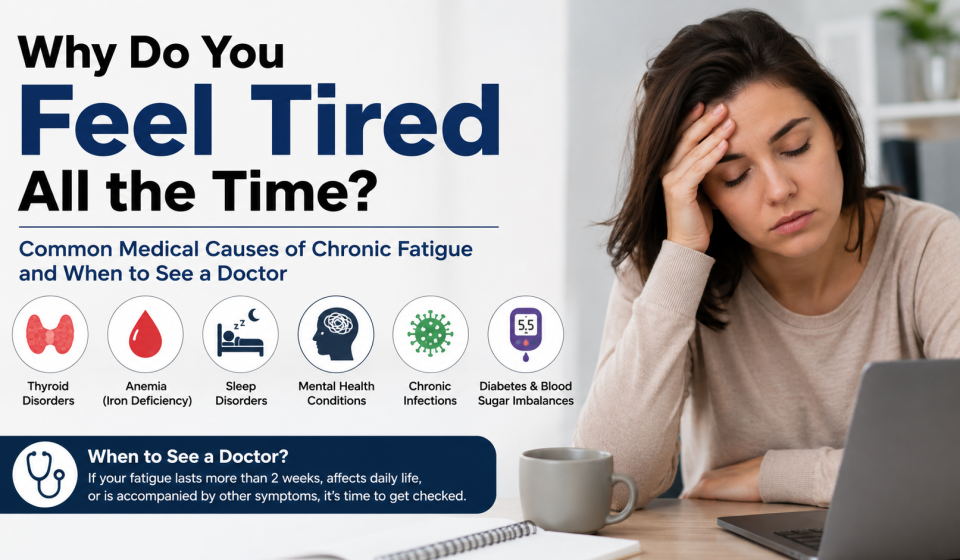
Why Do You Feel Tired All the Time? Common Medical Causes of Chronic Fatigue and When to See a Doctor

Understanding the common causes of chronic fatigue can help individuals recognize warning signs, seek appropriate medical evaluation, and take proactive steps toward better health.
Feeling tired occasionally is a normal part of life, especially after a busy day, intense physical activity, emotional stress, or insufficient sleep. However, when fatigue becomes persistent and continues for weeks or months despite adequate rest, it may indicate an underlying health issue that requires attention. Chronic fatigue can affect productivity, concentration, mood, relationships, and overall quality of life. Many people dismiss constant tiredness as a consequence of a hectic lifestyle, but ongoing exhaustion is often the body’s way of signaling that something may be wrong. Fatigue is not a disease itself but a symptom associated with a wide range of physical, mental, and medical conditions. From nutritional deficiencies and sleep disorders to hormonal imbalances and chronic illnesses, many factors can contribute to persistent tiredness.This comprehensive guide explores the most common reasons people feel tired all the time, available diagnostic tests, treatment options, and when it is important to consult a healthcare professional.
What Is Chronic Fatigue?
Chronic fatigue refers to persistent physical, mental, or emotional exhaustion that does not improve significantly with rest.
Common Symptoms
- Constant tiredness
- Lack of energy
- Difficulty concentrating
- Poor motivation
- Muscle weakness
- Sleep disturbances
- Reduced productivity
Unlike normal tiredness, chronic fatigue often interferes with daily activities and quality of life.
How Common Is Persistent Fatigue?
Fatigue is one of the most frequently reported symptoms in healthcare settings.
Impact of Chronic Fatigue
- Reduced work performance
- Lower physical activity
- Emotional distress
- Impaired social functioning
Understanding the underlying cause is essential for effective treatment.
Lack of Sleep
One of the most common causes of fatigue is inadequate sleep.
Effects of Sleep Deprivation
- Reduced concentration
- Memory problems
- Mood changes
- Decreased energy
Recommended Sleep Duration
Most adults require 7 to 9 hours of quality sleep each night.
Poor Sleep Quality
Even if you spend enough time in bed, poor-quality sleep can leave you feeling exhausted.
Possible Causes
- Frequent awakenings
- Sleep apnea
- Restless leg syndrome
- Environmental disturbances
Improving sleep quality can significantly increase energy levels.
Iron Deficiency Anemia
Anemia occurs when the body lacks enough healthy red blood cells to transport oxygen efficiently.
Common Symptoms
- Fatigue
- Weakness
- Dizziness
- Shortness of breath
Risk Factors
- Poor dietary intake
- Blood loss
- Pregnancy
Iron deficiency is one of the most common medical causes of fatigue.
Vitamin B12 Deficiency
Vitamin B12 is essential for nerve function and red blood cell production.
Symptoms
- Fatigue
- Weakness
- Tingling sensations
- Memory difficulties
Early diagnosis and treatment can prevent complications.
Vitamin D Deficiency
Vitamin D supports bone health, immunity, and muscle function.
Signs of Deficiency
- Fatigue
- Muscle aches
- Bone discomfort
- Frequent illnesses
Low vitamin D levels are a common but often overlooked cause of tiredness.
Thyroid Disorders
The thyroid gland regulates metabolism and energy production.
Hypothyroidism
An underactive thyroid can cause:
- Fatigue
- Weight gain
- Dry skin
- Depression
- Cold intolerance
Hyperthyroidism
An overactive thyroid may also lead to fatigue despite increased metabolism.
Diabetes
Uncontrolled diabetes can cause persistent fatigue.
Why It Happens
The body struggles to use glucose effectively, resulting in reduced energy availability.
Additional Symptoms
- Excessive thirst
- Frequent urination
- Blurred vision
- Weight changes
Sleep Apnea
Sleep apnea is a condition in which breathing repeatedly stops and starts during sleep.
Symptoms
- Loud snoring
- Daytime sleepiness
- Morning headaches
- Poor concentration
Sleep apnea often goes undiagnosed and can significantly impact energy levels.
Chronic Stress
Long-term stress affects both physical and mental health.
Effects
- Fatigue
- Irritability
- Sleep disturbances
- Reduced concentration
Stress management is an important component of fatigue treatment.
Anxiety Disorders
Anxiety can be mentally and physically exhausting.
Symptoms
- Excessive worrying
- Muscle tension
- Difficulty sleeping
- Constant tiredness
Managing anxiety often improves energy and well-being.
Depression
Fatigue is a common symptom of depression.
Additional Signs
- Loss of interest
- Sadness
- Changes in appetite
- Difficulty concentrating
Professional treatment can significantly improve symptoms.
Chronic Fatigue Syndrome (CFS)
Also known as Myalgic Encephalomyelitis, this condition causes severe and prolonged fatigue.
Characteristics
- Extreme exhaustion
- Post-exertional malaise
- Sleep disturbances
- Cognitive difficulties
Diagnosis typically requires thorough medical evaluation.
Heart Disease
Heart conditions can reduce blood flow and oxygen delivery throughout the body.
Possible Symptoms
- Fatigue
- Shortness of breath
- Chest discomfort
- Reduced exercise tolerance
Persistent fatigue should not be ignored in individuals with cardiovascular risk factors.
Chronic Kidney Disease
Kidney dysfunction may lead to fatigue due to waste accumulation and anemia.
Associated Symptoms
- Swelling
- Changes in urination
- High blood pressure
Early detection improves management outcomes.
Liver Disease
The liver performs numerous essential functions related to metabolism and detoxification.
Symptoms
- Fatigue
- Loss of appetite
- Jaundice
- Abdominal discomfort
Routine testing can help identify liver-related causes of fatigue.
Autoimmune Disorders
Autoimmune diseases occur when the immune system attacks healthy tissues.
Examples
- Rheumatoid arthritis
- Lupus
- Multiple sclerosis
Fatigue is a common symptom across many autoimmune conditions.
Nutritional Deficiencies
Poor nutrition can significantly affect energy levels.
Important Nutrients
- Iron
- Vitamin B12
- Vitamin D
- Magnesium
- Folate
Balanced nutrition supports healthy energy production.
Dehydration
Even mild dehydration can contribute to tiredness.
Symptoms
- Fatigue
- Headaches
- Dizziness
- Reduced concentration
Adequate hydration is essential for overall health.
Medication Side Effects
Certain medications may cause fatigue.
Examples
- Antihistamines
- Blood pressure medications
- Antidepressants
- Pain medications
Discuss concerns with your healthcare provider before stopping any medication.
Lack of Physical Activity
A sedentary lifestyle can reduce energy levels over time.
Benefits of Regular Exercise
- Improved circulation
- Better sleep
- Increased stamina
- Enhanced mood
Moderate exercise often helps combat fatigue.
Obesity
Excess body weight may contribute to chronic tiredness.
Contributing Factors
- Sleep apnea
- Inflammation
- Reduced physical fitness
Healthy weight management can improve energy levels.
Infections
Some infections can cause prolonged fatigue.
Examples
- Influenza
- Mononucleosis
- COVID-19
- Hepatitis
Persistent fatigue after infection may require medical evaluation.
Cancer and Cancer Treatments
Fatigue is common in cancer patients and survivors.
Causes
- Disease-related inflammation
- Treatment side effects
- Nutritional deficiencies
Medical support is important for managing cancer-related fatigue.
Medical Tests for Chronic Fatigue
Doctors may recommend diagnostic tests to identify the cause.
Common Tests
- Complete Blood Count (CBC)
- Thyroid Function Tests
- Blood Sugar Tests
- Vitamin D Levels
- Vitamin B12 Levels
- Iron Studies
- Kidney Function Tests
- Liver Function Tests
Testing helps identify treatable conditions.
Lifestyle Tips to Improve Energy Levels
Prioritize Sleep
Maintain a consistent sleep schedule.
Eat a Balanced Diet
Consume nutrient-rich foods.
Stay Hydrated
Drink adequate water daily.
Exercise Regularly
Engage in moderate physical activity.
Manage Stress
Practice relaxation techniques and mindfulness.
When Should You See a Doctor?
Seek medical advice if fatigue:
- Persists for several weeks
- Interferes with daily life
- Is accompanied by weight loss
- Causes shortness of breath
- Occurs with chest pain
- Is associated with severe weakness
Early medical evaluation can identify serious underlying conditions.
Source Links
https://www.mayoclinic.org
https://www.cdc.gov
https://www.nih.gov
Conclusion
Persistent fatigue should never be ignored, especially when it affects daily functioning and quality of life. While lack of sleep and stress are common causes, chronic tiredness may also result from underlying medical conditions such as anemia, thyroid disorders, diabetes, sleep apnea, nutritional deficiencies, heart disease, or mental health challenges. Identifying the root cause through proper medical evaluation is essential for effective treatment. By adopting healthy lifestyle habits and seeking professional care when necessary, individuals can improve their energy levels, overall health, and long-term well-being.
FAQ
1.Why do I feel tired all the time even after sleeping?
Poor sleep quality, sleep disorders, stress, nutritional deficiencies, or underlying medical conditions may be responsible.
2.Can vitamin deficiencies cause fatigue?
Yes, deficiencies in vitamin B12, vitamin D, iron, and folate can contribute to persistent tiredness.
3.Is fatigue a symptom of thyroid disease?
Yes, both hypothyroidism and hyperthyroidism can cause fatigue and reduced energy levels.
4.Can stress make me feel exhausted?
Yes, chronic stress can significantly affect both physical and mental energy.
5.What blood tests are commonly used to investigate fatigue?
Doctors often order CBC, thyroid function tests, iron studies, vitamin levels, and blood sugar tests.
6.When should I see a doctor about fatigue?
Consult a healthcare professional if fatigue persists for several weeks or is accompanied by concerning symptoms.
7.Can dehydration cause fatigue?
Yes, dehydration can reduce energy levels and impair physical and mental performance.
8.Is chronic fatigue syndrome a real medical condition?
Yes, chronic fatigue syndrome is a recognized condition characterized by severe and long-lasting fatigue.