Complete Guide to Understanding Your Medical Test Reports: What Common Blood Test Results Really Mean

Medical test reports are an essential part of modern healthcare, helping doctors diagnose diseases, monitor health conditions, and evaluate the effectiveness of treatments.
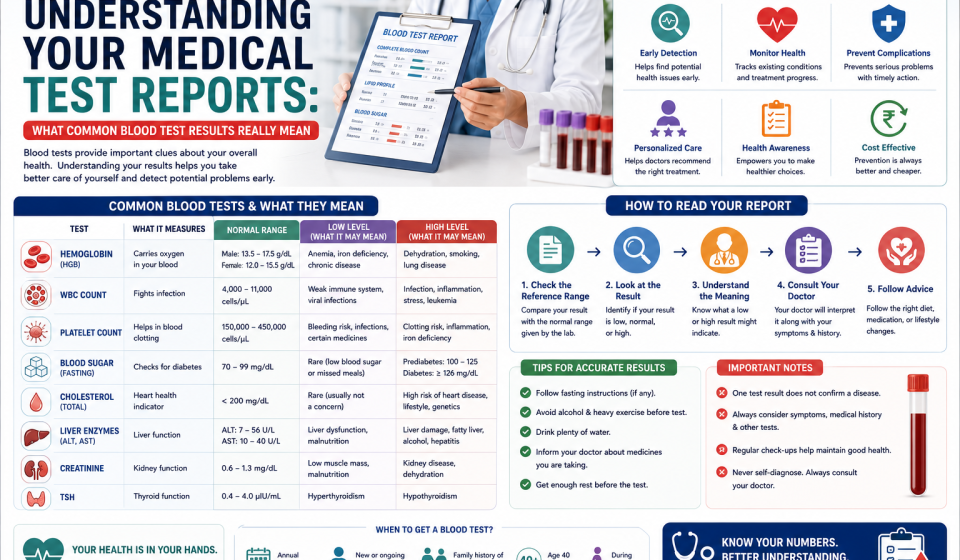
However, many people find laboratory reports confusing because they contain medical terminology, abbreviations, reference ranges, and numerical values that are difficult to interpret without professional guidance. Understanding the basics of common blood test results can help individuals become more informed about their health and participate more actively in healthcare decisions.Blood tests are among the most frequently performed medical investigations because they provide valuable information about how different organs and systems in the body are functioning. From checking cholesterol levels and blood sugar to evaluating kidney, liver, and thyroid function, blood tests offer critical insights into overall health. While test results should always be interpreted by qualified healthcare professionals, understanding what common blood test values represent can help reduce anxiety and improve communication with doctors. This comprehensive guide explains the most common medical test reports, blood test parameters, normal ranges, and what abnormal results may indicate.
Why Medical Test Reports Are Important
Medical tests help healthcare providers assess overall health and detect diseases early.
Benefits of Medical Testing
- Early disease detection
- Monitoring treatment progress
- Preventive healthcare planning
- Identifying risk factors
- Evaluating organ function
- Supporting accurate diagnosis
Routine blood tests are an important part of maintaining long-term health.
Understanding Reference Ranges
Most laboratory reports include a reference range.
What Is a Reference Range?
A reference range represents the expected values found in healthy individuals.
Important Note
Values slightly outside the normal range do not always indicate disease. Age, gender, medications, and individual health factors may influence results.
Complete Blood Count (CBC)
The Complete Blood Count is one of the most commonly ordered blood tests.
Purpose
CBC evaluates:
- Red blood cells
- White blood cells
- Hemoglobin
- Hematocrit
- Platelets
It provides important information about overall health and potential medical conditions.
Red Blood Cell Count (RBC)
Red blood cells carry oxygen throughout the body.
High RBC Levels May Indicate
- Dehydration
- Lung disease
- High altitude adaptation
Low RBC Levels May Indicate
- Anemia
- Blood loss
- Nutritional deficiencies
Hemoglobin (Hb)
Hemoglobin is the protein in red blood cells responsible for oxygen transport.
High Hemoglobin Levels
May occur due to dehydration or certain medical conditions.
Low Hemoglobin Levels
Often suggest anemia or nutritional deficiencies.
Hematocrit (HCT)
Hematocrit measures the percentage of blood composed of red blood cells.
Low Levels
May indicate anemia.
High Levels
May suggest dehydration or other conditions affecting blood concentration.
White Blood Cell Count (WBC)
White blood cells help fight infections and support immune function.
Elevated WBC Count
Possible causes include:
- Infection
- Inflammation
- Stress
- Certain medications
Low WBC Count
May result from:
- Viral infections
- Bone marrow disorders
- Autoimmune conditions
Platelet Count
Platelets assist with blood clotting.
High Platelet Count
May occur with inflammation or certain medical conditions.
Low Platelet Count
Can increase bleeding risk.
Blood Sugar Tests
Blood glucose tests evaluate blood sugar levels.
Fasting Blood Glucose
Measures blood sugar after fasting.
HbA1c Test
Reflects average blood sugar levels over several months.
High Blood Sugar
May indicate:
- Prediabetes
- Diabetes
- Stress-related hyperglycemia
Low Blood Sugar
May result from medications or certain medical conditions.
Lipid Profile
A lipid profile assesses cardiovascular health.
Total Cholesterol
Measures overall cholesterol levels.
LDL Cholesterol
Often called “bad cholesterol.”
High levels may increase heart disease risk.
HDL Cholesterol
Known as “good cholesterol.”
Higher levels are generally beneficial.
Triglycerides
High triglyceride levels may increase cardiovascular risk.
Liver Function Tests (LFT)
Liver function tests evaluate liver health.
Common Parameters
- ALT
- AST
- ALP
- Bilirubin
Elevated Levels May Suggest
- Liver inflammation
- Fatty liver disease
- Hepatitis
- Bile duct disorders
Alanine Aminotransferase (ALT)
ALT is an enzyme found primarily in the liver.
High ALT Levels
May indicate liver injury or inflammation.
Aspartate Aminotransferase (AST)
AST is found in the liver, heart, and muscles.
Elevated AST Levels
May be associated with liver or muscle conditions.
Bilirubin
Bilirubin is produced during red blood cell breakdown.
High Bilirubin Levels
May cause jaundice and indicate liver or bile duct issues.
Kidney Function Tests (KFT)
Kidney function tests assess how well the kidneys filter waste.
Key Components
- Creatinine
- Blood Urea Nitrogen (BUN)
- Estimated Glomerular Filtration Rate (eGFR)
Creatinine
Creatinine is a waste product filtered by the kidneys.
High Creatinine Levels
May indicate reduced kidney function.
Blood Urea Nitrogen (BUN)
BUN measures nitrogen waste in the blood.
Elevated Levels
May suggest kidney dysfunction or dehydration.
eGFR
eGFR estimates kidney filtration efficiency.
Lower Values
May indicate impaired kidney function.
Thyroid Function Tests
Thyroid hormones regulate metabolism and energy production.
Common Tests
- TSH
- T3
- T4
Thyroid Stimulating Hormone (TSH)
TSH helps regulate thyroid hormone production.
High TSH
May indicate hypothyroidism.
Low TSH
May indicate hyperthyroidism.
T3 and T4 Hormones
These hormones influence metabolism.
Abnormal Levels
May suggest thyroid dysfunction requiring further evaluation.
Vitamin and Mineral Tests
Nutritional deficiencies can affect overall health.
Common Tests
- Vitamin D
- Vitamin B12
- Iron
- Ferritin
Importance
Adequate nutrient levels support energy, immunity, and overall wellness.
Vitamin D Test
Vitamin D supports bone health and immune function.
Low Levels
May contribute to:
- Bone weakness
- Fatigue
- Reduced immunity
Vitamin B12 Test
Vitamin B12 is essential for nerve and blood cell health.
Deficiency Symptoms
- Fatigue
- Weakness
- Neurological issues
Iron Studies
Iron testing helps evaluate anemia and iron metabolism.
Components
- Serum Iron
- Ferritin
- Transferrin
C-Reactive Protein (CRP)
CRP is a marker of inflammation.
Elevated Levels
May indicate infection, inflammation, or chronic disease activity.
Electrolyte Panel
Electrolytes help regulate fluid balance and nerve function.
Common Electrolytes
- Sodium
- Potassium
- Chloride
- Bicarbonate
Abnormal levels may affect various bodily functions.
Sodium Levels
Sodium helps regulate fluid balance.
Low Sodium
May cause confusion and weakness.
High Sodium
May indicate dehydration.
Potassium Levels
Potassium supports heart and muscle function.
High or Low Levels
May affect heart rhythm and muscle performance.
Cardiac Blood Tests
Certain blood tests help assess heart health.
Common Markers
- Troponin
- BNP
Purpose
These tests assist in evaluating heart-related conditions.
Understanding Abnormal Results
Abnormal results do not always indicate serious illness.
Factors Affecting Results
- Age
- Diet
- Medications
- Exercise
- Temporary illness
Doctors consider multiple factors before making diagnoses.
Questions to Ask Your Doctor
After receiving test results, consider asking:
- What do these results mean?
- Are further tests needed?
- What lifestyle changes are recommended?
- Should medications be adjusted?
Clear communication improves healthcare understanding.
Importance of Regular Health Testing
Routine testing supports preventive healthcare.
Benefits
- Early diagnosis
- Better treatment outcomes
- Monitoring chronic diseases
- Improved long-term health
Regular health monitoring contributes to overall wellness.
Source Links
https://www.mayoclinic.org
https://www.nih.gov
https://www.cdc.gov
Conclusion
Understanding medical test reports can help individuals become more informed and engaged in managing their health. Blood tests provide valuable insights into organ function, nutritional status, infection risk, inflammation, and chronic disease management. While laboratory values should always be interpreted by healthcare professionals, knowing the purpose of common blood tests and their significance can improve communication with doctors and reduce confusion. Regular medical testing, combined with healthy lifestyle choices and professional medical guidance, plays an essential role in maintaining long-term health and well-being.
FAQ
1.What is a Complete Blood Count (CBC)?
A CBC is a common blood test that evaluates red blood cells, white blood cells, hemoglobin, and platelets.
2.What does high cholesterol mean?
High cholesterol levels may increase the risk of cardiovascular disease and require lifestyle changes or medical treatment.
3.Why is HbA1c important?
HbA1c measures average blood sugar levels over several months and helps diagnose and monitor diabetes.
4.What do liver function tests measure?
Liver function tests evaluate liver enzymes, bilirubin levels, and overall liver health.
5.What does high creatinine indicate?
High creatinine levels may suggest reduced kidney function or kidney disease.
6.Why is TSH tested?
TSH helps assess thyroid function and identify thyroid disorders.
7.Can abnormal blood test results be temporary?
Yes, factors such as illness, medications, stress, and diet can sometimes affect results temporarily.
8.Should I interpret blood test results myself?
Blood test results should always be reviewed and interpreted by a qualified healthcare professional.