Complete Family Healthcare Guide 2026: Essential Tips for Building a Healthy and Happy Family

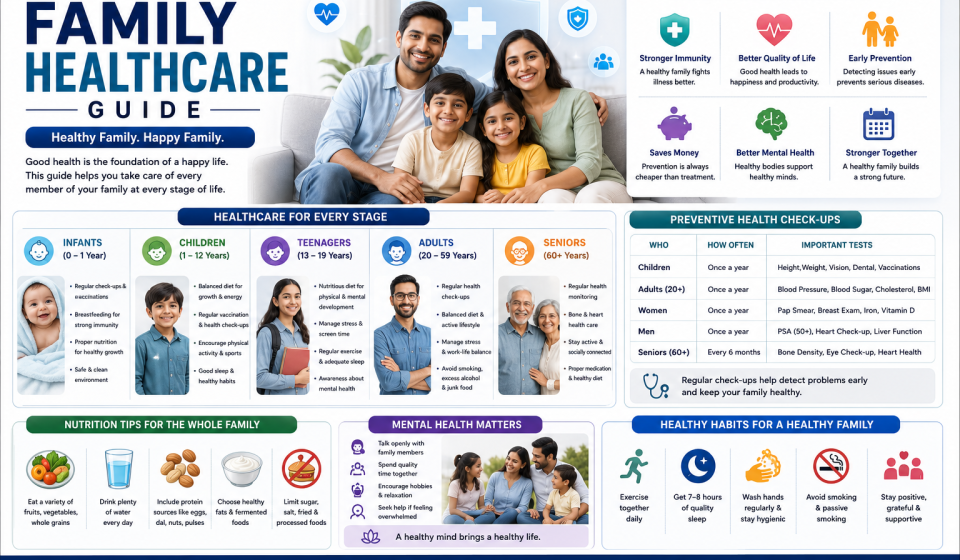
Family health is the foundation of a happy, productive, and fulfilling life. Every family member, from infants and children to adults and seniors, has unique healthcare needs that require attention and care.
Maintaining good health involves much more than treating illnesses when they occur. Preventive healthcare, healthy lifestyle habits, balanced nutrition, regular physical activity, mental wellness, and timely medical checkups all contribute to the overall well-being of a family. A proactive approach to healthcare helps reduce the risk of chronic diseases, improves quality of life, and promotes long-term wellness for every generation. In today’s fast-paced world, families often face numerous health challenges, including lifestyle-related diseases, stress, environmental factors, and infectious illnesses. Access to accurate healthcare information empowers families to make informed decisions about nutrition, exercise, preventive screenings, vaccinations, and medical care. By understanding the essential components of family healthcare, households can create healthy routines that support physical, emotional, and mental well-being. This comprehensive family healthcare guide provides practical strategies and expert recommendations for maintaining optimal health at every stage of life.
What Is Family Healthcare?
Family healthcare refers to a comprehensive approach to managing the health and wellness of all family members. It focuses on preventive care, disease management, health education, and lifestyle practices that support long-term well-being.
Key goals of family healthcare include:
- Disease prevention
- Early diagnosis
- Health promotion
- Chronic disease management
- Mental wellness support
- Healthy lifestyle development
Family-centered healthcare encourages healthy habits and regular medical monitoring throughout life.
Importance of Family Healthcare
Good family healthcare practices contribute to healthier and happier lives.
Benefits
- Reduced risk of illness
- Better physical fitness
- Improved mental health
- Lower healthcare expenses
- Longer life expectancy
- Enhanced quality of life
Healthy families are better equipped to handle life’s challenges and maintain overall well-being.
Building a Strong Foundation for Family Health
Developing healthy habits as a family creates long-term benefits.
Key Components
- Balanced nutrition
- Regular exercise
- Preventive care
- Adequate sleep
- Mental wellness
- Health education
Consistency is essential for maintaining healthy lifestyles.
Nutrition for the Entire Family
Proper nutrition is one of the most important aspects of healthcare.
Benefits of Healthy Eating
- Improved immunity
- Better growth and development
- Increased energy levels
- Reduced disease risk
Essential Nutrients
- Proteins
- Carbohydrates
- Healthy fats
- Vitamins
- Minerals
- Fiber
- Water
A balanced diet supports health across all age groups.
Healthy Eating Habits for Children
Children require proper nutrition to support growth and development.
Recommended Foods
- Fruits
- Vegetables
- Whole grains
- Dairy products
- Lean proteins
Tips
- Encourage healthy snacks
- Limit sugary foods
- Promote regular meal times
Healthy eating habits developed early often continue into adulthood.
Nutrition for Adults
Adults need balanced diets to maintain energy and prevent chronic diseases.
Focus Areas
- Portion control
- Whole foods
- Reduced processed foods
- Adequate hydration
Maintaining proper nutrition supports long-term health and productivity.
Nutrition for Seniors
Older adults have unique nutritional requirements.
Important Nutrients
- Calcium
- Vitamin D
- Protein
- Fiber
Benefits
- Bone health
- Muscle maintenance
- Digestive wellness
- Immune support
Proper nutrition helps seniors maintain independence and quality of life.
Importance of Regular Physical Activity
Exercise benefits every family member.
Advantages
- Weight management
- Stronger muscles
- Better heart health
- Improved mood
- Increased energy
Family-Friendly Activities
- Walking
- Cycling
- Swimming
- Hiking
- Sports
Participating together encourages consistency and enjoyment.
Maintaining a Healthy Weight
Healthy weight management reduces the risk of numerous health conditions.
Associated Benefits
- Lower blood pressure
- Reduced diabetes risk
- Improved cardiovascular health
Balanced nutrition and regular exercise are key components.
Preventive Healthcare
Preventive healthcare focuses on identifying risks before illnesses develop.
Preventive Measures
- Vaccinations
- Routine screenings
- Regular checkups
- Healthy lifestyle choices
Prevention remains one of the most effective healthcare strategies.
Importance of Vaccinations
Vaccinations protect individuals and communities from infectious diseases.
Benefits
- Disease prevention
- Reduced complications
- Community protection
Following recommended immunization schedules is essential.
Routine Medical Checkups
Regular health examinations help detect problems early.
Common Assessments
- Blood pressure
- Cholesterol
- Blood sugar
- Weight monitoring
Early detection improves treatment outcomes.
Understanding Family Medical History
Family health history influences disease risk.
Conditions Often Influenced by Genetics
- Diabetes
- Heart disease
- Cancer
- Hypertension
Sharing accurate family medical history with healthcare providers supports personalized care.
Managing Chronic Diseases
Many families are affected by chronic health conditions.
Common Conditions
- Diabetes
- Hypertension
- Asthma
- Arthritis
Effective Management
- Medication adherence
- Healthy lifestyle changes
- Regular monitoring
Proper management improves quality of life and reduces complications.
Heart Health for Families
Heart disease remains a leading health concern worldwide.
Prevention Tips
- Healthy diet
- Regular exercise
- Avoid smoking
- Manage stress
Heart-healthy habits benefit all family members.
Diabetes Prevention and Management
Diabetes affects millions of people globally.
Risk Reduction Strategies
- Maintain healthy weight
- Exercise regularly
- Eat balanced meals
- Monitor blood sugar levels
Early intervention improves long-term outcomes.
Mental Health and Family Wellness
Mental health is equally important as physical health.
Common Challenges
- Stress
- Anxiety
- Depression
Supportive Strategies
- Open communication
- Emotional support
- Professional counseling when needed
Strong family relationships contribute to emotional well-being.
Stress Management Techniques
Chronic stress can negatively affect health.
Effective Methods
- Meditation
- Deep breathing
- Yoga
- Exercise
- Relaxation techniques
Stress management improves both mental and physical health.
Importance of Quality Sleep
Sleep is essential for recovery and overall wellness.
Benefits
- Better immunity
- Improved concentration
- Emotional stability
- Physical recovery
Recommended Habits
- Consistent sleep schedule
- Comfortable sleep environment
- Reduced screen time before bed
Healthy sleep patterns support lifelong wellness.
Child Healthcare Essentials
Children require regular monitoring to ensure healthy development.
Key Areas
- Growth assessments
- Vaccinations
- Vision checks
- Dental care
Preventive pediatric care promotes healthy development.
Adolescent Healthcare
Teenagers face unique physical and emotional challenges.
Focus Areas
- Nutrition
- Mental health
- Physical activity
- Health education
Supporting adolescents helps establish healthy lifelong habits.
Women’s Healthcare
Women have specific healthcare needs throughout life.
Important Services
- Reproductive health care
- Breast examinations
- Cervical cancer screening
- Bone health assessments
Routine care supports long-term wellness.
Men’s Healthcare
Men also benefit from preventive health measures.
Important Screenings
- Blood pressure
- Cholesterol
- Diabetes
- Prostate health
Regular checkups encourage early disease detection.
Senior Healthcare Needs
Older adults require specialized healthcare attention.
Common Focus Areas
- Mobility
- Bone health
- Vision care
- Medication management
Comprehensive care promotes healthy aging.
Oral Health and Family Wellness
Oral health significantly impacts overall health.
Healthy Habits
- Daily brushing
- Flossing
- Regular dental visits
Good oral hygiene prevents numerous health complications.
Building a Safe Home Environment
A safe home reduces injury risks.
Safety Measures
- Childproofing
- Smoke detectors
- First-aid kits
- Safe medication storage
Prevention helps protect all family members.
Health Insurance and Financial Planning
Healthcare expenses can be significant.
Benefits of Health Insurance
- Financial protection
- Access to medical services
- Reduced treatment costs
Proper planning supports healthcare security.
Healthy Lifestyle Habits for Families
Families can improve health by adopting positive routines.
Daily Habits
- Eat nutritious meals
- Stay active
- Stay hydrated
- Sleep adequately
- Manage stress
Small changes often lead to significant long-term benefits.
Source Links
https://www.who.int
https://www.cdc.gov
https://www.nih.gov
https://www.mayoclinic.org
https://www.health.harvard.edu
Conclusion
Family healthcare is a lifelong commitment that involves preventive care, healthy habits, balanced nutrition, regular exercise, mental wellness, and routine medical monitoring. By prioritizing health at every stage of life, families can reduce disease risks, improve quality of life, and build a foundation for long-term well-being. Consistent healthcare practices, informed decision-making, and strong family support systems help create healthier households and contribute to a happier future for every family member.
FAQ
1.What is family healthcare?
Family healthcare is a comprehensive approach to managing the physical, mental, and emotional health of all family members.
2.Why is preventive healthcare important?
Preventive healthcare helps identify and address health risks before serious illnesses develop.
3.How often should family members have medical checkups?
The frequency depends on age, health status, and risk factors, but regular checkups are generally recommended.
4.What are the most important healthy habits for families?
Balanced nutrition, regular exercise, quality sleep, stress management, and preventive healthcare are essential.
5.Why are vaccinations important?
Vaccinations help prevent infectious diseases and protect both individuals and communities.
6.How can families improve mental health?
Open communication, emotional support, stress management, and professional help when needed can improve mental wellness.
7.What role does nutrition play in family health?
Proper nutrition supports growth, immunity, energy levels, and disease prevention.
8.How can families encourage healthy lifestyles?
By setting positive examples, participating in healthy activities together, and creating supportive home environments.