
Modern vaccines have dramatically reduced the burden of infectious diseases worldwide. Conditions that once caused widespread illness, disability, and death can now be prevented through routine immunization.
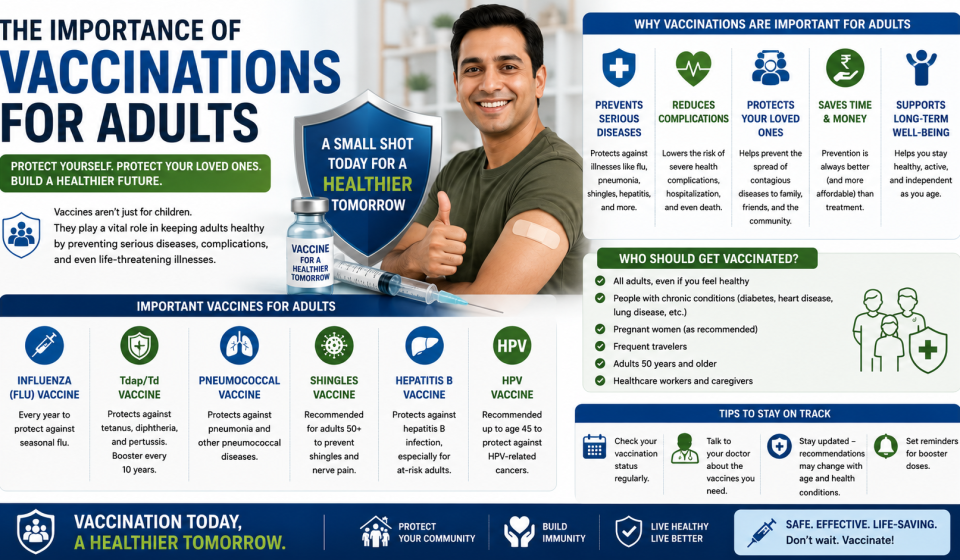
Vaccinations are often associated with childhood healthcare, but immunization remains equally important throughout adulthood. Many adults mistakenly believe that vaccines are only necessary during childhood, yet immunity from certain vaccines can decrease over time, and new health risks may emerge as people age. Adult vaccinations play a crucial role in protecting individuals from serious infectious diseases, reducing complications, preventing hospitalizations, and improving overall public health. By staying up to date with recommended vaccines, adults can safeguard their health and contribute to the protection of their families and communities. Adult vaccination programs help protect against illnesses such as influenza, pneumonia, shingles, hepatitis, tetanus, and other vaccine-preventable diseases. Whether someone is a young adult, middle-aged individual, senior citizen, traveler, healthcare worker, or someone with chronic health conditions, vaccinations remain a vital component of preventive healthcare. This comprehensive guide explains the importance of vaccinations for adults, recommended vaccines, benefits of immunization, and common questions regarding adult vaccination.
What Are Vaccinations?
Vaccinations are medical interventions designed to help the immune system recognize and defend against harmful pathogens.
Vaccines contain weakened, inactive, or modified components of viruses or bacteria that stimulate the body’s immune response without causing the disease itself.
After vaccination, the immune system develops protection that helps fight future infections more effectively.
Why Adult Vaccinations Matter
Many infectious diseases continue to affect adults every year.
Vaccination helps:
- Prevent serious illness
- Reduce complications
- Lower hospitalization rates
- Protect vulnerable populations
- Improve public health
- Reduce healthcare costs
Maintaining immunity throughout life is an important part of disease prevention.
How Vaccines Work
Vaccines train the immune system to recognize harmful organisms.
When vaccinated individuals are exposed to a disease-causing pathogen:
- The immune system recognizes the threat
- Protective antibodies respond quickly
- The body can fight infection more efficiently
This process significantly reduces the risk of severe illness.
Benefits of Vaccinations for Adults
Adult immunization offers numerous health benefits.
Protection Against Serious Diseases
Vaccines help prevent diseases that can lead to severe complications.
Examples include:
- Influenza
- Pneumonia
- Hepatitis
- Shingles
- Tetanus
Reduced Risk of Hospitalization
Vaccinated individuals are less likely to experience severe disease requiring hospitalization.
Protection for Family and Community
Vaccination helps reduce disease transmission, protecting individuals who may be unable to receive certain vaccines.
Long-Term Health Benefits
Preventing infections reduces the risk of long-term complications associated with many diseases.
Common Vaccines Recommended for Adults
Vaccination recommendations vary based on age, health status, occupation, travel plans, and medical history.
Influenza Vaccine
The flu vaccine is recommended annually for most adults.
Benefits include:
- Reduced flu risk
- Lower hospitalization rates
- Reduced complications
Older adults and individuals with chronic conditions particularly benefit from annual vaccination.
COVID-19 Vaccination
COVID-19 vaccines help reduce the risk of severe illness and complications associated with coronavirus infections.
Healthcare authorities periodically update recommendations regarding booster doses.
Tetanus, Diphtheria, and Pertussis (Tdap) Vaccine
Protection against tetanus decreases over time.
Adults generally require:
- A Tdap vaccine at least once
- Tetanus booster doses approximately every ten years
This vaccine also helps protect against whooping cough.
Shingles Vaccine
Shingles is caused by reactivation of the chickenpox virus.
Shingles vaccination may:
- Reduce infection risk
- Lower complication rates
- Decrease chronic nerve pain risk
It is commonly recommended for older adults.
Pneumococcal Vaccine
Pneumococcal disease can cause:
- Pneumonia
- Bloodstream infections
- Meningitis
Vaccination is particularly important for older adults and certain high-risk groups.
Hepatitis Vaccines
Hepatitis A Vaccine
Protects against a viral liver infection commonly spread through contaminated food and water.
Hepatitis B Vaccine
Protects against a virus that can cause chronic liver disease and liver cancer.
Vaccination may be recommended based on lifestyle, occupation, travel, or health risks.
Human Papillomavirus (HPV) Vaccine
HPV vaccination helps prevent infections associated with:
- Cervical cancer
- Anal cancer
- Throat cancer
- Genital warts
Many adults may benefit depending on age and prior vaccination status.
Measles, Mumps, and Rubella (MMR) Vaccine
Some adults may require MMR vaccination if immunity is uncertain.
This vaccine protects against:
- Measles
- Mumps
- Rubella
Varicella Vaccine
Adults who have never had chickenpox or been vaccinated may require protection against varicella infection.
Adult Vaccination by Age Group
Young Adults
Common recommendations may include:
- Tdap vaccination
- HPV vaccination
- Influenza vaccination
Middle-Aged Adults
Focus often includes:
- Flu vaccination
- Tetanus boosters
- Risk-based vaccines
Older Adults
Additional vaccines may include:
- Shingles vaccine
- Pneumococcal vaccine
- Annual influenza vaccine
Vaccinations for People with Chronic Health Conditions
Individuals with chronic illnesses may face higher risks from infectious diseases.
Conditions include:
- Diabetes
- Heart disease
- Lung disease
- Kidney disease
- Immune disorders
Vaccination can help reduce complications and improve outcomes.
Vaccinations for Travelers
Travelers may require additional vaccines depending on destination.
Examples include:
- Hepatitis A
- Typhoid
- Yellow fever
- Rabies
Travel medicine consultations help determine appropriate recommendations.
Vaccinations and Herd Immunity
Herd immunity occurs when a large portion of a population becomes protected against a disease.
Benefits include:
- Reduced disease transmission
- Protection for vulnerable individuals
- Fewer outbreaks
Vaccination plays a key role in maintaining community health.
Are Vaccines Safe?
Vaccines undergo extensive testing and monitoring before approval.
Most vaccine side effects are mild and temporary.
Common reactions may include:
- Soreness at the injection site
- Mild fever
- Fatigue
- Muscle aches
Serious adverse events are rare.
Common Misconceptions About Adult Vaccination
“I Was Vaccinated as a Child”
Some childhood vaccines require boosters later in life.
“I’m Healthy, So I Don’t Need Vaccines”
Healthy adults can still contract infectious diseases and spread them to others.
“Vaccines Cause Disease”
Approved vaccines are designed to stimulate immunity without causing the diseases they prevent.
The Economic Benefits of Vaccination
Vaccination helps reduce:
- Medical expenses
- Lost workdays
- Hospitalization costs
- Long-term healthcare burdens
Preventive healthcare is often more cost-effective than disease treatment.
How to Stay Up to Date with Vaccinations
Adults should:
- Maintain vaccination records
- Attend routine medical checkups
- Discuss vaccine recommendations with healthcare providers
- Follow national immunization guidelines
Regular consultation ensures appropriate protection throughout life.
Source Links
https://www.cdc.gov/vaccines/adults
https://www.who.int/health-topics/vaccines-and-immunization
https://www.niaid.nih.gov/research/vaccines
https://www.hhs.gov/immunization
Conclusion
Vaccinations are a vital part of adult preventive healthcare and provide protection against many serious infectious diseases. Immunization helps reduce illness, prevent complications, lower hospitalization rates, and support overall community health. As immunity can decline over time and health risks change with age, adults should remain informed about recommended vaccines and booster doses. From influenza and shingles vaccines to tetanus boosters and pneumococcal protection, staying up to date with immunizations contributes significantly to long-term health and well-being. By prioritizing vaccination and consulting healthcare professionals regularly, adults can protect themselves, their loved ones, and their communities from preventable diseases.
FAQ
1. Why are vaccinations important for adults?
Vaccinations help protect adults from serious infectious diseases, reduce complications, and support overall public health.
2. Do adults need vaccines if they were vaccinated as children?
Yes. Some vaccines require booster doses, and additional vaccines may be recommended later in life.
3. Which vaccines are commonly recommended for adults?
Common adult vaccines include influenza, Tdap, shingles, pneumococcal, hepatitis, COVID-19, and HPV vaccines.
4. How often should adults receive flu vaccines?
Most adults are advised to receive a flu vaccine every year.
5. Are vaccines safe for adults?
Yes. Approved vaccines undergo extensive testing and monitoring and are generally very safe.
6. Why do older adults need additional vaccines?
Aging can weaken immune function, increasing the risk of severe complications from infectious diseases.
7. Can vaccines prevent hospitalization?
Yes. Vaccination significantly reduces the risk of severe illness and hospitalization for many diseases.
8. How can I find out which vaccines I need?
Consult a healthcare professional who can recommend vaccines based on age, health conditions, occupation, lifestyle, and travel plans.