The Ultimate Guide to Healthy Aging: Proven Strategies for a Longer, Healthier, and More Active Life

Many people associate aging with declining health and reduced mobility, but research shows that healthy aging is achievable for most individuals.
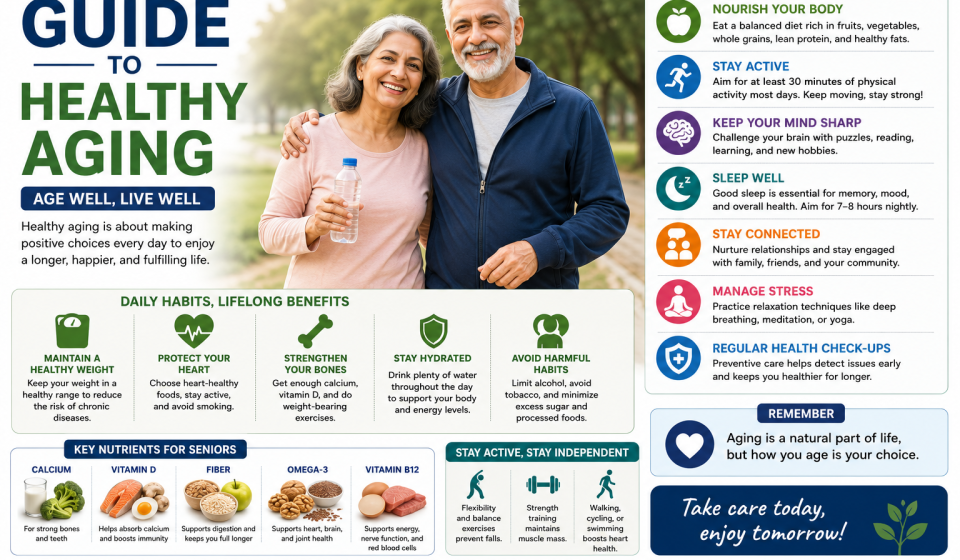
Aging is a natural part of life, and while growing older is inevitable, the way we age is greatly influenced by our lifestyle choices. Healthy aging is not simply about living longer; it is about maintaining physical health, mental sharpness, emotional well-being, and independence throughout the later years of life. Advances in healthcare, nutrition, and preventive medicine have made it possible for many people to enjoy active and fulfilling lives well into their senior years. By adopting healthy habits early and maintaining them consistently, individuals can significantly improve their quality of life as they age. Factors such as balanced nutrition, regular exercise, quality sleep, stress management, preventive healthcare, and social engagement all play important roles in promoting longevity and wellness. This comprehensive guide explores the key principles of healthy aging and provides practical strategies to help individuals remain active, healthy, and independent throughout every stage of life.
What Is Healthy Aging?
Healthy aging refers to the process of maintaining optimal physical, mental, and social well-being as people grow older.
It involves:
- Preserving physical function
- Maintaining cognitive abilities
- Supporting emotional health
- Preventing chronic diseases
- Remaining socially connected
- Promoting independence
Healthy aging focuses on improving quality of life rather than simply extending lifespan.
Why Healthy Aging Matters
The global population is living longer than ever before. While increased life expectancy is a positive achievement, it also highlights the importance of maintaining health throughout the aging process.
Benefits of healthy aging include:
- Greater independence
- Better mobility
- Reduced disease risk
- Improved mental health
- Enhanced quality of life
- Lower healthcare costs
Healthy habits can significantly influence long-term wellness.
Understanding the Aging Process
Aging affects every system in the body.
Common age-related changes may include:
- Reduced muscle mass
- Slower metabolism
- Changes in vision and hearing
- Decreased bone density
- Reduced immune function
- Changes in memory and cognition
While these changes are natural, healthy lifestyle choices can help minimize their impact.
Prioritize a Balanced and Nutritious Diet
Nutrition is one of the most important factors influencing healthy aging.
A nutrient-rich diet supports:
- Heart health
- Brain function
- Bone strength
- Immune health
- Energy levels
Eat More Fruits and Vegetables
Fruits and vegetables provide:
- Vitamins
- Minerals
- Fiber
- Antioxidants
Antioxidants help protect cells from age-related damage.
Choose Whole Grains
Whole grains provide:
- Fiber
- B vitamins
- Sustained energy
Examples include:
- Brown rice
- Oats
- Whole wheat
- Quinoa
Include Lean Proteins
Protein supports:
- Muscle maintenance
- Tissue repair
- Immune function
Healthy sources include:
- Fish
- Poultry
- Eggs
- Beans
- Lentils
- Tofu
Stay Physically Active
Regular exercise is one of the most effective ways to promote healthy aging.
Benefits include:
- Improved cardiovascular health
- Better balance
- Increased strength
- Enhanced flexibility
- Weight management
- Reduced chronic disease risk
Aerobic Exercise
Activities such as:
- Walking
- Swimming
- Cycling
- Dancing
help improve heart and lung health.
Strength Training
Resistance exercises help maintain muscle mass and bone density.
Balance Exercises
Balance training can reduce fall risk and support independence.
Maintain a Healthy Weight
Maintaining a healthy body weight helps reduce the risk of:
- Diabetes
- Heart disease
- Hypertension
- Joint problems
Combining healthy eating and regular physical activity supports weight management throughout life.
Prioritize Bone Health
Bone density naturally decreases with age.
Healthy bones require:
- Calcium
- Vitamin D
- Weight-bearing exercise
Foods that support bone health include:
- Dairy products
- Leafy greens
- Fortified foods
Maintaining bone strength helps reduce fracture risk.
Protect Heart Health
Cardiovascular disease remains one of the leading causes of death among older adults.
Heart-healthy habits include:
- Eating a balanced diet
- Exercising regularly
- Avoiding smoking
- Managing blood pressure
- Monitoring cholesterol levels
Regular medical checkups help identify cardiovascular risks early.
Support Brain Health
Maintaining cognitive function is an important aspect of healthy aging.
Stay Mentally Active
Mental stimulation may support brain health.
Activities include:
- Reading
- Learning new skills
- Solving puzzles
- Playing strategy games
Maintain Social Engagement
Social interaction helps support cognitive and emotional well-being.
Get Quality Sleep
Sleep remains essential throughout life.
Benefits of adequate sleep include:
- Memory consolidation
- Immune support
- Emotional regulation
- Physical recovery
Most adults benefit from seven to nine hours of sleep per night.
Improve Sleep Habits
Helpful strategies include:
- Maintaining consistent sleep schedules
- Limiting caffeine before bedtime
- Creating a relaxing sleep environment
Manage Stress Effectively
Chronic stress can negatively affect both physical and mental health.
Healthy stress-management techniques include:
- Meditation
- Deep breathing exercises
- Yoga
- Physical activity
- Spending time with loved ones
Managing stress contributes to overall wellness.
Avoid Smoking and Tobacco Products
Smoking accelerates aging and increases the risk of numerous diseases.
Benefits of quitting include:
- Improved circulation
- Better lung function
- Reduced cancer risk
- Enhanced overall health
Avoiding tobacco remains one of the most important healthy aging strategies.
Limit Alcohol Consumption
Excessive alcohol use can contribute to:
- Liver disease
- Cognitive decline
- Heart problems
- Sleep disturbances
Moderation supports healthier aging outcomes.
Stay Hydrated
Proper hydration supports:
- Digestion
- Circulation
- Joint health
- Cognitive function
Older adults may experience reduced thirst sensations, making regular fluid intake especially important.
Prevent Falls and Injuries
Falls are a major health concern among older adults.
Strategies for fall prevention include:
- Maintaining strength and balance
- Wearing appropriate footwear
- Improving home safety
- Regular vision examinations
Preventing falls helps preserve independence and mobility.
Attend Regular Health Checkups
Preventive healthcare plays a critical role in healthy aging.
Routine medical visits may include:
- Blood pressure monitoring
- Cholesterol screening
- Diabetes testing
- Cancer screenings
- Vaccination updates
Early detection improves treatment outcomes.
Maintain Strong Social Connections
Social engagement contributes significantly to healthy aging.
Benefits include:
- Reduced loneliness
- Better mental health
- Improved emotional resilience
- Enhanced life satisfaction
Building and maintaining relationships supports overall well-being.
Keep a Positive Outlook
Positive thinking and emotional resilience can influence health outcomes.
Practices that support emotional wellness include:
- Gratitude
- Mindfulness
- Meaningful activities
- Volunteering
Maintaining purpose and optimism promotes successful aging.
Healthy Aging and Chronic Disease Prevention
Many chronic conditions can be prevented or better managed through healthy habits.
Examples include:
- Heart disease
- Diabetes
- Hypertension
- Osteoporosis
- Obesity
Preventive strategies reduce complications and improve quality of life.
The Role of Preventive Healthcare
Preventive healthcare helps identify health concerns before symptoms develop.
Important preventive measures include:
- Health screenings
- Vaccinations
- Routine examinations
- Lifestyle counseling
Proactive healthcare contributes to longer, healthier lives.
Building Healthy Habits for Life
Healthy aging is the result of consistent daily choices.
Simple habits include:
- Eating nutritious foods
- Exercising regularly
- Sleeping well
- Managing stress
- Staying socially active
Small actions performed consistently often lead to substantial long-term benefits.
Source Links
https://www.who.int/news-room/fact-sheets/detail/ageing-and-health
https://www.nia.nih.gov/health
https://www.cdc.gov/aging
https://www.mayoclinic.org/healthy-lifestyle
Conclusion
Healthy aging is about maintaining physical vitality, mental sharpness, emotional well-being, and social engagement throughout life. While aging is inevitable, many age-related health challenges can be minimized through healthy lifestyle choices and preventive healthcare practices. A balanced diet, regular physical activity, quality sleep, stress management, hydration, routine medical care, and strong social connections all contribute to successful aging. By adopting these habits and remaining proactive about health, individuals can enjoy greater independence, improved quality of life, and increased longevity. Healthy aging is not merely about adding years to life—it is about adding life to those years.
FAQ
1. What is healthy aging?
Healthy aging refers to maintaining physical, mental, and social well-being while growing older and preserving independence and quality of life.
2. What are the most important habits for healthy aging?
Key habits include healthy eating, regular exercise, adequate sleep, stress management, preventive healthcare, and social engagement.
3. How does exercise support healthy aging?
Exercise improves strength, balance, heart health, flexibility, mobility, and overall physical function.
4. Why is nutrition important as we age?
Proper nutrition supports energy levels, immune function, bone health, cognitive function, and disease prevention.
5. How much sleep do older adults need?
Most older adults benefit from approximately seven to nine hours of quality sleep each night.
6. Can healthy aging reduce the risk of chronic diseases?
Yes. Healthy lifestyle habits can significantly reduce the risk of heart disease, diabetes, obesity, hypertension, and other chronic conditions.
7. Why are regular health screenings important for older adults?
Health screenings help detect medical conditions early when treatment is often most effective.
8. How can social connections improve healthy aging?
Strong relationships support emotional health, reduce loneliness, improve cognitive function, and enhance overall quality of life.