Healthy Lifestyle Habits That Can Add Years to Your Life: The Ultimate Guide to Longevity, Wellness, and Disease Prevention

Modern lifestyles often involve sedentary behavior, unhealthy eating habits, chronic stress, inadequate sleep, and excessive reliance on processed foods.
Living a long and healthy life is a goal shared by people across the world. While genetics certainly influence lifespan, scientific research consistently shows that daily lifestyle choices have a significant impact on overall health, disease prevention, and longevity. Healthy habits can help reduce the risk of chronic illnesses such as heart disease, diabetes, obesity, hypertension, certain cancers, and mental health disorders. More importantly, adopting a healthy lifestyle not only helps individuals live longer but also improves the quality of those years by enhancing physical fitness, mental well-being, energy levels, and overall happiness. These factors can contribute to premature aging and increase the risk of serious health complications. Fortunately, many health risks can be reduced through consistent lifestyle modifications. Simple habits such as eating nutritious foods, exercising regularly, staying hydrated, managing stress, avoiding harmful substances, and prioritizing preventive healthcare can dramatically improve long-term health outcomes. This comprehensive guide explores the most effective healthy lifestyle habits that can add years to your life and support lifelong wellness.
Why Lifestyle Choices Matter
Lifestyle choices influence nearly every aspect of health.
They affect:
- Heart health
- Metabolism
- Immune function
- Mental wellness
- Longevity
Small daily decisions often produce significant long-term benefits.
Understanding Longevity
Longevity refers to living a long and healthy life.
Factors influencing lifespan include:
- Genetics
- Environment
- Healthcare access
- Lifestyle habits
Research shows that healthy behaviors play a major role in determining overall life expectancy.
Eat a Balanced and Nutritious Diet
Nutrition is one of the most important factors for long-term health.
A balanced diet should include:
- Fruits
- Vegetables
- Whole grains
- Lean proteins
- Healthy fats
Proper nutrition supports overall body function and disease prevention.
Increase Fruit and Vegetable Intake
Fruits and vegetables provide:
- Vitamins
- Minerals
- Fiber
- Antioxidants
Regular consumption supports immune health and reduces disease risk.
Choose Whole Grains
Whole grains offer important nutrients and fiber.
Examples include:
- Oats
- Brown rice
- Quinoa
- Whole wheat products
They support digestive health and stable energy levels.
Consume Lean Proteins
Protein is essential for:
- Muscle maintenance
- Tissue repair
- Immune function
Healthy sources include:
- Fish
- Poultry
- Beans
- Lentils
- Eggs
Balanced protein intake supports healthy aging.
Include Healthy Fats
Healthy fats contribute to:
- Heart health
- Brain function
- Hormone production
Nutritious options include:
- Olive oil
- Nuts
- Seeds
- Avocados
Moderate consumption supports overall wellness.
Limit Processed Foods
Highly processed foods may contain:
- Excess sugar
- Sodium
- Unhealthy fats
Reducing processed food intake supports better health outcomes.
Stay Physically Active
Regular exercise is strongly associated with longer life expectancy.
Benefits include:
- Improved cardiovascular health
- Weight management
- Better mobility
- Enhanced mood
Physical activity is essential for healthy aging.
Recommended Types of Exercise
A balanced exercise routine may include:
- Walking
- Cycling
- Swimming
- Strength training
- Stretching exercises
Consistency is more important than intensity.
Strength Training and Longevity
Maintaining muscle mass becomes increasingly important with age.
Strength training helps:
- Improve balance
- Protect joints
- Maintain independence
Strong muscles contribute to better quality of life.
Maintain a Healthy Weight
Excess body weight may increase the risk of:
- Diabetes
- Heart disease
- Hypertension
- Joint problems
Healthy weight management supports longevity.
Prioritize Quality Sleep
Sleep is essential for physical and mental recovery.
Benefits of adequate sleep include:
- Improved immunity
- Better cognitive function
- Hormonal balance
- Reduced stress
Adults should maintain consistent sleep habits.
Manage Stress Effectively
Chronic stress may negatively affect:
- Heart health
- Mental well-being
- Immune function
Stress management is an important component of healthy living.
Effective Stress Reduction Strategies
Helpful techniques include:
- Meditation
- Yoga
- Deep breathing
- Mindfulness practices
Regular relaxation supports emotional health.
Stay Hydrated
Water is vital for:
- Circulation
- Digestion
- Temperature regulation
- Cellular function
Proper hydration supports overall health and energy.
Avoid Smoking
Smoking is a major risk factor for numerous diseases.
It increases the likelihood of:
- Heart disease
- Lung disease
- Cancer
- Stroke
Avoiding tobacco products significantly improves health outcomes.
Limit Alcohol Consumption
Excessive alcohol intake may contribute to:
- Liver disease
- Cardiovascular problems
- Certain cancers
Moderation supports long-term wellness.
Protect Heart Health
Cardiovascular disease remains a leading cause of death worldwide.
Healthy habits that support heart health include:
- Exercise
- Balanced nutrition
- Blood pressure control
- Cholesterol management
Preventive measures are highly effective.
Monitor Blood Pressure
High blood pressure often develops without symptoms.
Routine monitoring helps:
- Detect problems early
- Prevent complications
- Support cardiovascular health
Regular screening is important.
Maintain Healthy Cholesterol Levels
Balanced cholesterol levels support healthy blood vessels and circulation.
Healthy lifestyle choices contribute to better cholesterol management.
Control Blood Sugar Levels
Healthy glucose regulation reduces the risk of diabetes and related complications.
Effective strategies include:
- Nutritious eating
- Exercise
- Weight management
Long-term control supports metabolic health.
Build Strong Social Connections
Meaningful relationships contribute to emotional well-being and longevity.
Benefits include:
- Reduced stress
- Improved mental health
- Greater life satisfaction
Social support plays an important role in healthy aging.
Keep Your Mind Active
Mental stimulation supports cognitive function.
Helpful activities include:
- Reading
- Learning new skills
- Problem-solving
- Educational pursuits
Lifelong learning promotes brain health.
Protect Mental Health
Mental wellness is closely connected to physical health.
Healthy habits include:
- Seeking support when needed
- Managing stress
- Maintaining relationships
Emotional well-being contributes to longevity.
Maintain Good Oral Health
Oral health affects overall wellness.
Regular dental care helps prevent:
- Gum disease
- Tooth decay
- Oral infections
Healthy teeth and gums support long-term health.
Strengthen the Immune System
A strong immune system helps defend against illness.
Healthy habits include:
- Nutritious eating
- Physical activity
- Sleep
- Hydration
Immune health supports disease prevention.
Practice Preventive Healthcare
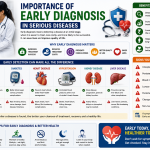
Preventive healthcare helps identify health concerns early.
Important measures include:
- Health screenings
- Vaccinations
- Routine checkups
Early intervention improves outcomes.
Reduce Sedentary Behavior
Extended periods of sitting may negatively affect health.
Helpful strategies include:
- Standing regularly
- Walking breaks
- Active hobbies
Movement supports healthy aging.
Spend Time Outdoors
Outdoor activities may support:
- Physical activity
- Mental wellness
- Vitamin D production
Nature exposure can improve overall well-being.
Protect Your Skin
Healthy skin practices include:
- Sun protection
- Hydration
- Proper skincare
Skin health contributes to overall wellness.
Maintain Healthy Daily Routines
Structured routines support:
- Consistent sleep
- Healthy eating
- Regular exercise
Daily habits strongly influence long-term health outcomes.
Develop Positive Health Behaviors
Successful lifestyle changes often begin with small steps.
Examples include:
- Walking daily
- Eating more vegetables
- Drinking more water
Consistency creates lasting results.
The Importance of Lifelong Wellness
Healthy living is a lifelong commitment.
Long-term benefits include:
- Increased lifespan
- Better mobility
- Enhanced independence
- Improved quality of life
Healthy habits provide rewards at every age.
Source Links
https://www.who.int
https://www.cdc.gov
https://www.nih.gov
https://www.nhlbi.nih.gov
https://www.ncbi.nlm.nih.gov
Conclusion
Healthy lifestyle habits have a powerful impact on both lifespan and quality of life. While genetics play a role in determining longevity, daily choices related to nutrition, exercise, sleep, stress management, hydration, preventive healthcare, and avoidance of harmful substances significantly influence long-term health outcomes. Adopting healthy behaviors can reduce the risk of chronic diseases, improve mental and physical well-being, enhance mobility, and support healthy aging. By making consistent, positive lifestyle choices and focusing on preventive health practices, individuals can increase their chances of living longer, healthier, and more fulfilling lives.
FAQ
1- Can healthy lifestyle habits really increase lifespan?
Yes, research shows that healthy habits such as regular exercise, balanced nutrition, adequate sleep, and avoiding smoking can contribute to longer life expectancy.
2- What is the most important lifestyle habit for longevity?
There is no single habit, but a combination of healthy eating, physical activity, quality sleep, and preventive healthcare provides the greatest benefits.
3- How much exercise is needed for long-term health?
Regular physical activity performed consistently is beneficial for cardiovascular health, weight management, and longevity.
4- Why is sleep important for healthy aging?
Sleep supports recovery, immune function, hormonal balance, cognitive health, and overall well-being.
5- Can stress shorten lifespan?
Chronic stress may negatively affect physical and mental health, increasing the risk of various diseases.
6- How does nutrition influence longevity?
A balanced diet provides essential nutrients that support body function, disease prevention, and healthy aging.
7- Why is preventive healthcare important?
Preventive healthcare helps detect health issues early and supports timely treatment and disease prevention.
8- Does maintaining a healthy weight improve life expectancy?
Yes, healthy weight management reduces the risk of many chronic diseases and supports overall wellness.
9- How do social relationships affect health?
Strong social connections can improve emotional well-being, reduce stress, and contribute to longevity.
10- Is it ever too late to adopt healthy habits?
No, positive lifestyle changes can provide health benefits at any age and improve overall quality of life.