Everything You Need to Know About Preventive Healthcare: The Ultimate Guide to Staying Healthy and Preventing Disease

Preventive healthcare benefits people of all ages, from children and young adults to older individuals managing age-related health risks.
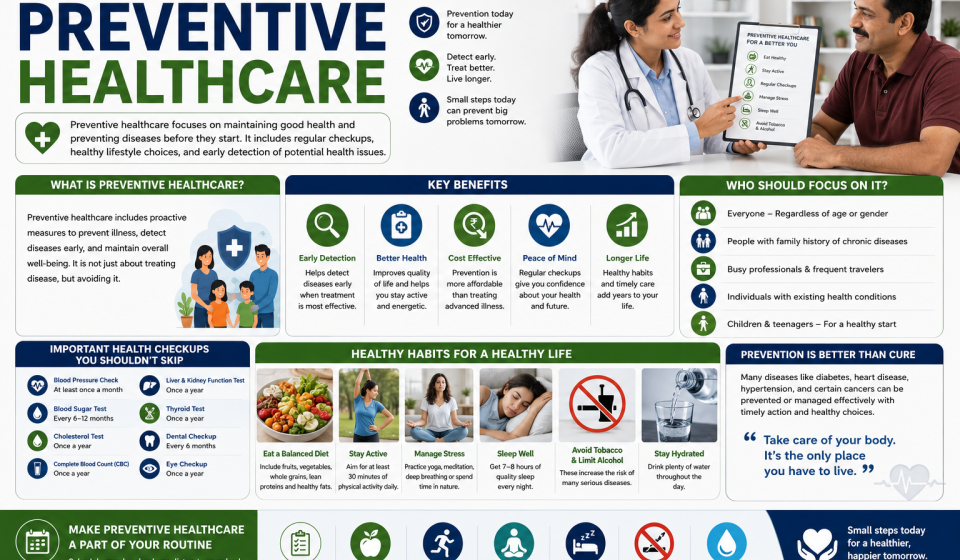
Healthcare is often associated with diagnosing and treating illnesses after symptoms appear, but one of the most effective ways to maintain long-term health is through preventive healthcare. Preventive healthcare focuses on protecting health before disease develops by identifying risk factors, encouraging healthy habits, and detecting medical conditions in their earliest stages. Instead of waiting for health problems to arise, preventive care empowers individuals to take proactive steps that reduce the likelihood of serious illnesses and improve overall well-being. As healthcare costs continue to rise and chronic diseases become increasingly common, preventive healthcare has become a critical component of modern medicine.Through routine medical checkups, vaccinations, health screenings, lifestyle modifications, and health education, preventive care helps reduce the burden of disease and supports healthier communities. By understanding how preventive healthcare works and why it is important, individuals can make informed decisions that contribute to a longer, healthier, and more productive life. This comprehensive guide explores every aspect of preventive healthcare, including its benefits, strategies, screenings, and role in disease prevention.
What Is Preventive Healthcare?
Preventive healthcare refers to medical services, lifestyle practices, and health interventions designed to prevent diseases, detect health issues early, and promote overall wellness.
The primary goals of preventive healthcare include:
- Preventing illness
- Detecting diseases early
- Reducing health risks
- Improving quality of life
- Increasing life expectancy
Preventive care focuses on maintaining health rather than simply treating disease after it develops.
Why Preventive Healthcare Is Important
Preventive healthcare plays a crucial role in reducing the incidence of chronic and acute illnesses.
Benefits include:
- Early disease detection
- Reduced healthcare costs
- Improved treatment outcomes
- Enhanced quality of life
- Lower risk of complications
By addressing health concerns early, individuals can often avoid more serious medical problems in the future.
The Three Levels of Preventive Healthcare
Primary Prevention
Primary prevention aims to stop diseases before they occur.
Examples include:
- Vaccinations
- Healthy eating
- Regular exercise
- Smoking cessation
- Stress management
Secondary Prevention
Secondary prevention focuses on early detection of diseases.
Examples include:
- Blood pressure screening
- Cholesterol testing
- Diabetes screening
- Cancer screenings
Tertiary Prevention
Tertiary prevention seeks to reduce complications in people who already have a medical condition.
Examples include:
- Diabetes management
- Cardiac rehabilitation
- Chronic disease monitoring
Each level contributes to better long-term health outcomes.
The Role of Regular Health Checkups
Routine health examinations are a cornerstone of preventive healthcare.
Health checkups help:
- Assess overall wellness
- Monitor health indicators
- Detect diseases early
- Evaluate risk factors
Regular medical evaluations allow healthcare providers to recommend appropriate preventive measures.
Importance of Health Screenings
Health screenings identify potential problems before symptoms appear.
Common screenings include:
- Blood pressure checks
- Blood glucose testing
- Cholesterol evaluations
- Cancer screenings
- Vision assessments
- Hearing evaluations
Early detection often improves treatment effectiveness.
Vaccinations and Disease Prevention
Vaccines are among the most successful preventive healthcare tools.
Vaccinations help protect against:
- Influenza
- COVID-19
- Hepatitis
- Pneumonia
- Human papillomavirus (HPV)
- Childhood infectious diseases
Immunization protects both individuals and communities.
Preventing Cardiovascular Disease
Heart disease remains one of the leading causes of death worldwide.
Preventive strategies include:
- Healthy eating
- Exercise
- Blood pressure monitoring
- Cholesterol management
- Tobacco avoidance
These measures significantly reduce cardiovascular risk.
Diabetes Prevention
Type 2 diabetes is often influenced by lifestyle factors.
Preventive approaches include:
- Weight management
- Physical activity
- Healthy nutrition
- Routine screenings
Early intervention can delay or prevent disease development.
Cancer Prevention and Early Detection
Many cancers can be prevented or detected early through preventive healthcare.
Strategies include:
- Routine screenings
- Tobacco avoidance
- Healthy nutrition
- Sun protection
- Vaccination against certain cancer-related infections
Early diagnosis often improves survival rates.
The Importance of Healthy Nutrition
Nutrition plays a central role in preventive health.
A balanced diet supports:
- Healthy weight
- Immune function
- Heart health
- Metabolic wellness
Healthy eating patterns can significantly reduce disease risk.
Physical Activity and Wellness
Regular exercise benefits nearly every body system.
Health benefits include:
- Improved cardiovascular function
- Better blood sugar control
- Weight management
- Stronger bones and muscles
- Enhanced mental health
Consistent physical activity is a key preventive strategy.
Maintaining a Healthy Weight
Excess body weight increases the risk of numerous health conditions.
Maintaining a healthy weight helps reduce the risk of:
- Diabetes
- Heart disease
- Hypertension
- Certain cancers
Weight management contributes to long-term wellness.
Tobacco Avoidance and Smoking Cessation
Smoking damages nearly every organ in the body.
Health benefits of quitting include:
- Improved circulation
- Better lung function
- Reduced cancer risk
- Lower cardiovascular risk
Avoiding tobacco is one of the most important preventive healthcare measures.
Limiting Alcohol Consumption
Excessive alcohol intake can contribute to multiple health problems.
Moderation supports:
- Liver health
- Heart health
- Mental well-being
- Overall wellness
Responsible alcohol consumption is an important preventive strategy.
Mental Health and Preventive Care
Mental health is an essential component of overall health.
Preventive mental healthcare includes:
- Stress management
- Emotional support
- Early intervention
- Mental health screenings
Addressing mental health concerns early can improve overall well-being.
Stress Management
Chronic stress can negatively affect physical and mental health.
Potential consequences include:
- High blood pressure
- Sleep disturbances
- Anxiety
- Depression
Effective stress management strategies include meditation, exercise, relaxation techniques, and mindfulness.
Sleep and Preventive Health
Quality sleep supports many aspects of health.
Benefits include:
- Improved immune function
- Better cognitive performance
- Hormonal balance
- Cardiovascular health
Healthy sleep habits contribute to disease prevention.
Preventive Healthcare for Children
Preventive care during childhood supports healthy growth and development.
Important services include:
- Vaccinations
- Developmental assessments
- Nutritional guidance
- Routine pediatric checkups
Early preventive care establishes a foundation for lifelong health.
Preventive Healthcare for Adults
Adults benefit from:
- Routine screenings
- Chronic disease prevention
- Lifestyle counseling
- Vaccinations
Preventive measures help reduce health risks associated with aging.
Preventive Healthcare for Older Adults
Older individuals often require more frequent monitoring.
Important preventive services include:
- Bone density testing
- Vision assessments
- Hearing evaluations
- Fall prevention strategies
These measures support healthy aging and independence.
Technology and Preventive Healthcare
Modern technology enhances preventive care through:
- Digital health records
- Wearable devices
- Telemedicine
- Health monitoring applications
Technology improves accessibility and supports proactive health management.
Health Education and Awareness
Education empowers individuals to make healthier choices.
Preventive healthcare education may focus on:
- Nutrition
- Exercise
- Disease prevention
- Risk factor management
Informed individuals are better equipped to maintain long-term wellness.
Economic Benefits of Preventive Healthcare
Preventing disease is often more cost-effective than treating advanced illnesses.
Benefits include:
- Lower healthcare expenses
- Reduced hospitalizations
- Increased productivity
- Improved public health outcomes
Preventive healthcare represents a valuable investment in both individual and community health.
Creating a Personalized Preventive Healthcare Plan
Each person has unique health risks and needs.
A personalized plan may include:
- Regular screenings
- Vaccinations
- Lifestyle modifications
- Health monitoring
Working with healthcare professionals helps ensure appropriate preventive strategies.
Building a Healthier Future Through Prevention
Preventive healthcare promotes a proactive approach to wellness.
By prioritizing prevention, individuals can:
- Reduce disease risk
- Improve quality of life
- Enhance longevity
- Support overall well-being
Long-term health is often built through consistent preventive practices.
Source Links
https://www.who.int
https://www.cdc.gov
https://www.nih.gov
https://www.health.gov
https://www.ncbi.nlm.nih.gov
Conclusion
Preventive healthcare is one of the most effective ways to maintain health, reduce disease risk, and improve quality of life. Through routine checkups, health screenings, vaccinations, healthy lifestyle choices, and early intervention, individuals can identify potential health concerns before they become serious medical conditions. Preventive care supports physical, mental, and emotional well-being while helping reduce healthcare costs and improve long-term outcomes. By embracing preventive healthcare as a regular part of life, individuals can take control of their health, protect themselves from preventable diseases, and build a strong foundation for lifelong wellness and healthy aging.
FAQ
1- What is preventive healthcare?
Preventive healthcare focuses on preventing diseases, detecting health problems early, and promoting overall wellness.
2- Why is preventive healthcare important?
It helps reduce disease risk, improve health outcomes, and lower healthcare costs through early intervention.
3- What are examples of preventive healthcare services?
Examples include vaccinations, health screenings, routine checkups, lifestyle counseling, and disease prevention programs.
4- How often should I have a health checkup?
The frequency depends on age, health status, and risk factors. Healthcare providers can offer personalized recommendations.
5- Can preventive healthcare reduce healthcare expenses?
Yes, preventing diseases or detecting them early often reduces treatment costs and hospitalizations.
6- What role do vaccinations play in preventive healthcare?
Vaccinations protect against infectious diseases and contribute to community health.
7- How does preventive healthcare help prevent heart disease?
It supports healthy lifestyle choices and identifies risk factors such as high blood pressure and high cholesterol early.
8- Is mental health part of preventive healthcare?
Yes, mental health screenings, stress management, and early intervention are important preventive strategies.
9- Can preventive healthcare improve life expectancy?
Yes, disease prevention and early detection often contribute to longer and healthier lives.
10- What is the main goal of preventive healthcare?
The primary goal is to maintain health, prevent illness, and improve overall quality of life through proactive care.