How Regular Health Checkups Can Prevent Serious Diseases: The Complete Guide to Early Detection and Lifelong Wellness

Regular health screenings and medical examinations provide valuable insights into an individual’s current health status and help identify potential risk factors early.
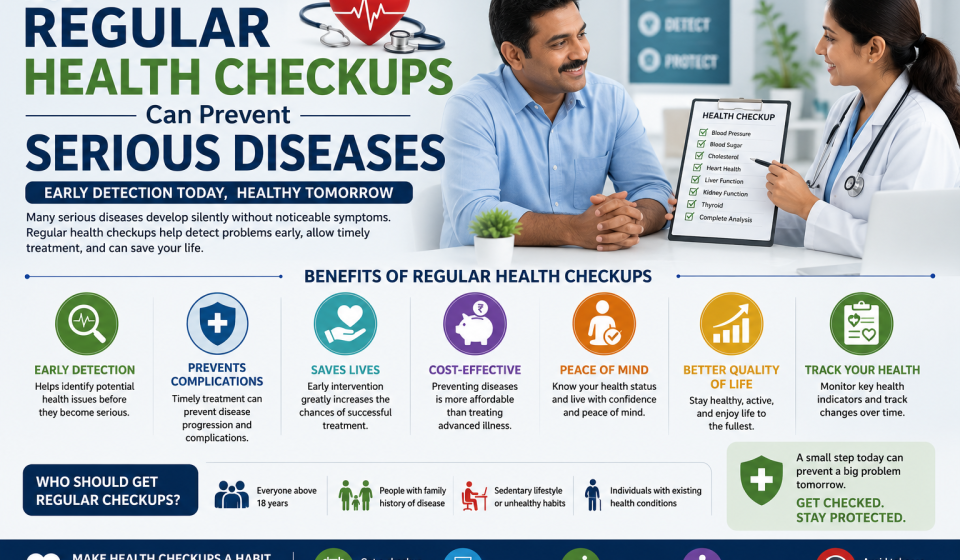
Many serious health conditions develop gradually and may not show noticeable symptoms during their early stages. Diseases such as diabetes, heart disease, high blood pressure, kidney disorders, and certain types of cancer often progress silently, making them difficult to detect without proper medical evaluation. As a result, many people only seek treatment after symptoms become severe, which can make management more challenging and increase the risk of complications. This is why regular health checkups play a crucial role in maintaining overall health and preventing serious diseases before they become life-threatening. By detecting abnormalities before symptoms appear, healthcare professionals can recommend timely interventions, lifestyle modifications, and treatment plans that improve long-term outcomes. Preventive healthcare not only reduces the risk of chronic diseases but also promotes healthier living, better quality of life, and lower healthcare costs. Understanding the importance of routine health checkups can empower individuals to take proactive control of their health and well-being.
What Are Regular Health Checkups?
Regular health checkups are routine medical evaluations designed to assess overall health and identify potential health concerns before they become serious.
These evaluations may include:
- Physical examinations
- Blood pressure measurements
- Blood tests
- Cholesterol screenings
- Diabetes screenings
- Cancer screenings
- Lifestyle assessments
- Medical history reviews
The primary goal of regular checkups is prevention, early detection, and long-term health maintenance.
Why Preventive Healthcare Matters
Preventive healthcare focuses on reducing disease risk and identifying health issues before symptoms develop.
Benefits of preventive care include:
- Early disease detection
- Better treatment outcomes
- Reduced healthcare expenses
- Improved quality of life
- Increased longevity
- Lower risk of complications
Preventive healthcare allows individuals to address health concerns proactively rather than reactively.
Early Detection Saves Lives
Many diseases are easier to treat when detected early.
Routine health evaluations can identify:
- High blood pressure
- Diabetes
- High cholesterol
- Heart disease
- Kidney disease
- Liver disorders
- Certain cancers
Early intervention often leads to more effective treatment and improved recovery rates.
Identifying Risk Factors Before Disease Develops
Health checkups help healthcare providers identify risk factors that may contribute to future illnesses.
Common risk factors include:
- Obesity
- Smoking
- High blood pressure
- Elevated cholesterol
- Physical inactivity
- Poor dietary habits
- Family medical history
Recognizing these risks early allows individuals to make lifestyle changes that may prevent disease development.
Monitoring Blood Pressure
High blood pressure is one of the most common chronic health conditions worldwide.
Because hypertension often produces no symptoms, regular monitoring is essential.
Early detection helps:
- Prevent heart disease
- Reduce stroke risk
- Protect kidney function
- Improve cardiovascular health
Routine blood pressure checks are a cornerstone of preventive healthcare.
Screening for Diabetes
Diabetes can develop gradually and remain undiagnosed for years.
Routine blood glucose testing can detect:
- Prediabetes
- Type 2 diabetes
- Blood sugar abnormalities
Early diagnosis allows individuals to implement lifestyle changes and treatment strategies that improve long-term outcomes.
Cholesterol Testing and Heart Health
High cholesterol contributes to plaque buildup in arteries, increasing the risk of cardiovascular disease.
Routine cholesterol testing helps assess:
- Total cholesterol
- LDL cholesterol
- HDL cholesterol
- Triglycerides
Monitoring cholesterol levels supports heart disease prevention.
Preventing Cardiovascular Disease
Heart disease remains one of the leading causes of death globally.
Regular checkups help identify cardiovascular risk factors such as:
- Hypertension
- High cholesterol
- Diabetes
- Obesity
- Smoking habits
Addressing these factors early can significantly reduce cardiovascular complications.
Cancer Screening and Early Diagnosis
Certain cancers can be detected through routine screenings before symptoms develop.
Depending on age and risk factors, screenings may include:
- Breast cancer screening
- Cervical cancer screening
- Colorectal cancer screening
- Prostate evaluations
- Skin examinations
Early detection often improves treatment success and survival rates.
Monitoring Kidney Health
Kidneys play a vital role in filtering waste and maintaining fluid balance.
Routine health assessments may include kidney function tests to detect:
- Chronic kidney disease
- Reduced kidney function
- Early signs of kidney damage
Early intervention can help preserve kidney health and prevent complications.
Liver Function Assessment
Liver health is essential for metabolism, detoxification, and nutrient processing.
Blood tests can identify:
- Liver inflammation
- Fatty liver disease
- Liver dysfunction
Routine monitoring supports early diagnosis and treatment.
Maintaining a Healthy Weight
Weight management is an important aspect of disease prevention.
Health checkups often include measurements such as:
- Body weight
- Body mass index (BMI)
- Waist circumference
Maintaining a healthy weight reduces the risk of many chronic diseases.
Evaluating Lifestyle Habits
Healthcare providers often assess lifestyle factors during routine checkups.
Areas of focus may include:
Nutrition
Healthy eating supports disease prevention and overall wellness.
Physical Activity
Regular exercise improves cardiovascular health and metabolic function.
Sleep Quality
Adequate sleep contributes to physical and mental well-being.
Stress Levels
Chronic stress can negatively impact health and increase disease risk.
Lifestyle assessments help identify opportunities for improvement.
Supporting Mental Health
Mental health is an important component of overall wellness.
Routine checkups provide opportunities to discuss:
- Anxiety
- Depression
- Stress management
- Emotional well-being
Early support can improve both mental and physical health outcomes.
Monitoring Chronic Conditions
Individuals with chronic diseases benefit from regular evaluations.
Health checkups help monitor:
- Diabetes
- Hypertension
- Heart disease
- Asthma
- Thyroid disorders
Ongoing monitoring supports effective treatment and reduces complications.
Vaccinations and Disease Prevention
Preventive healthcare often includes recommended vaccinations.
Vaccines help protect against:
- Influenza
- Pneumonia
- Hepatitis
- Other infectious diseases
Staying current with vaccinations supports long-term health.
Health Education and Awareness
Routine checkups provide opportunities for patient education.
Healthcare professionals can offer guidance on:
- Healthy lifestyle habits
- Disease prevention
- Risk factor management
- Treatment options
Education empowers individuals to make informed healthcare decisions.
Benefits for Different Age Groups
Children and Adolescents
Routine evaluations support growth, development, and preventive care.
Adults
Health screenings help identify emerging risk factors and chronic diseases.
Older Adults
Regular monitoring supports healthy aging and management of age-related conditions.
Every age group benefits from preventive healthcare services.
Reducing Healthcare Costs
Preventing disease is often less expensive than treating advanced medical conditions.
Benefits include:
- Reduced hospitalizations
- Lower treatment expenses
- Fewer emergency visits
- Improved productivity
Preventive healthcare represents a valuable long-term investment.
Building a Long-Term Health Record
Regular checkups create a comprehensive health history.
This information helps healthcare providers:
- Track changes over time
- Identify trends
- Improve treatment planning
- Monitor progress
Longitudinal health data supports better medical decision-making.
Encouraging Healthy Habits
Routine healthcare visits reinforce healthy behaviors.
Patients may receive encouragement to:
- Exercise regularly
- Eat nutritious foods
- Quit smoking
- Manage stress
- Maintain healthy sleep habits
These lifestyle changes contribute to disease prevention and wellness.
The Role of Technology in Preventive Healthcare
Modern healthcare technologies enhance preventive care through:
- Digital health records
- Advanced diagnostic tools
- Health monitoring devices
- Telemedicine services
Technology supports more accurate assessments and improved patient outcomes.
Creating a Personalized Prevention Plan
Every individual has unique health needs and risk factors.
Healthcare providers can develop personalized prevention strategies based on:
- Age
- Family history
- Lifestyle
- Medical history
- Current health status
Personalized care improves the effectiveness of disease prevention efforts.
Source Links
https://www.who.int
https://www.cdc.gov
https://www.nih.gov
https://www.health.gov
https://www.ncbi.nlm.nih.gov
Conclusion
Regular health checkups are one of the most effective tools for preventing serious diseases and maintaining long-term wellness. By identifying risk factors, detecting illnesses early, monitoring chronic conditions, and promoting healthy lifestyle choices, routine medical evaluations empower individuals to take proactive control of their health. Early detection often leads to more effective treatment, lower healthcare costs, and improved quality of life. Whether monitoring blood pressure, screening for diabetes, assessing cholesterol levels, or evaluating overall wellness, regular checkups provide valuable insights that support disease prevention and healthier living. Investing in preventive healthcare today can help protect health, improve longevity, and reduce the risk of serious complications in the future.
FAQ
1- Why are regular health checkups important?
Regular health checkups help detect diseases early, monitor health risks, and support preventive healthcare.
2- How often should I get a health checkup?
The frequency depends on age, health status, family history, and risk factors. A healthcare provider can recommend an appropriate schedule.
3- Can health checkups prevent serious diseases?
While they may not prevent all diseases directly, they help identify risks and detect conditions early when treatment is most effective.
4- What tests are commonly included in a routine checkup?
Common evaluations include blood pressure measurements, blood tests, cholesterol screening, diabetes testing, and physical examinations.
5- Why is early disease detection important?
Early detection often allows for simpler treatment, better outcomes, and reduced risk of complications.
6- Can routine checkups detect cancer?
Yes, many cancers can be detected early through age-appropriate screenings and preventive evaluations.
7- How do health checkups support heart health?
They help monitor blood pressure, cholesterol, weight, and other cardiovascular risk factors.
8- Are regular health checkups beneficial for healthy individuals?
Yes, preventive healthcare is valuable even for people who feel healthy because many diseases develop without symptoms.
9- Can routine health screenings reduce healthcare costs?
Yes, preventing or detecting diseases early often reduces treatment expenses and hospitalizations.
10- What is the main goal of preventive healthcare?
The primary goal is to maintain health, reduce disease risk, and improve long-term quality of life through early intervention and wellness promotion.