
When it comes to healthcare, timing can make all the difference. Many serious health conditions develop gradually, often showing subtle symptoms that are easy to overlook. Unfortunately, waiting until symptoms become severe can reduce treatment options, increase healthcare costs, and negatively affect recovery outcomes. This is why early diagnosis plays such a crucial role in modern medicine.
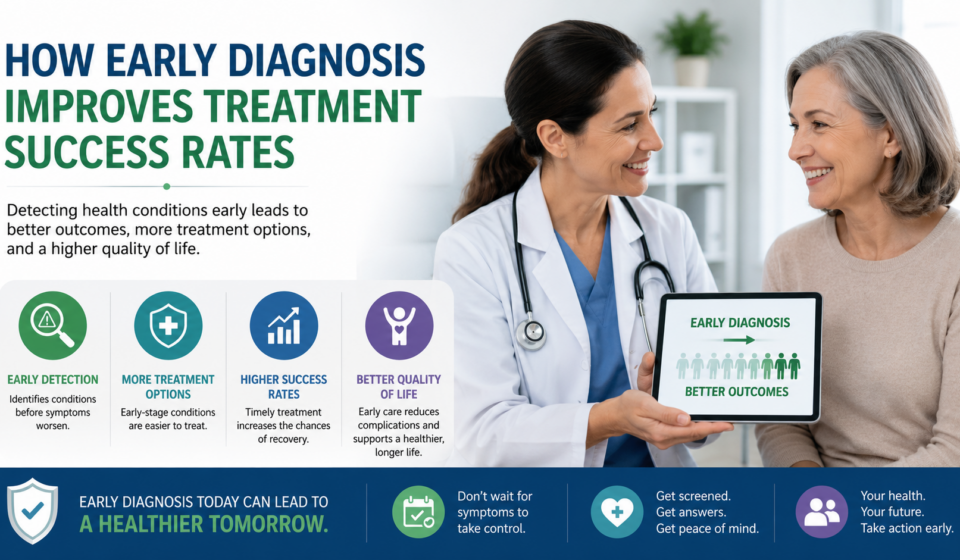
Early diagnosis refers to identifying a disease or medical condition at its initial stage, often before significant symptoms appear. Advances in medical technology, preventive screenings, and regular health checkups have made it easier than ever to detect illnesses sooner. Whether it’s diabetes, heart disease, cancer, or other chronic conditions, early detection can dramatically improve treatment success rates and overall quality of life.
In this article, we’ll explore how early diagnosis improves treatment outcomes, the benefits of preventive healthcare, and why regular medical checkups should be a priority for everyone.
What Is Early Diagnosis?
Early diagnosis is the process of identifying a disease or health condition before it progresses to an advanced stage. This can happen through:
- Routine health screenings
- Preventive medical examinations
- Laboratory tests
- Imaging studies
- Monitoring early symptoms
- Family health history assessments
The primary goal is to detect health issues when they are most treatable, allowing healthcare providers to intervene before complications develop.
Why Early Diagnosis Matters
Many diseases follow a predictable progression. In their early stages, conditions are often easier to manage and respond more effectively to treatment. As diseases advance, they may cause irreversible damage, making treatment more complicated and less successful.
Early diagnosis helps:
- Improve treatment effectiveness
- Reduce disease progression
- Lower healthcare expenses
- Prevent serious complications
- Increase survival rates
- Improve quality of life
Healthcare professionals consistently emphasize that prevention and early intervention are among the most effective tools in modern medicine.
The Connection Between Early Diagnosis and Treatment Success
1. Increased Treatment Effectiveness
One of the biggest advantages of early diagnosis is that treatments tend to work better when a disease is detected early.
For example:
- Early-stage cancer often responds more successfully to surgery and targeted therapies.
- Prediabetes can frequently be reversed through lifestyle changes.
- Early hypertension can be managed before causing heart damage.
- Initial stages of kidney disease can often be slowed significantly.
The earlier treatment begins, the greater the chance of controlling or eliminating the condition.
2. Reduced Disease Progression
Many chronic illnesses worsen over time if left untreated. Early diagnosis allows healthcare providers to slow or stop disease progression before major complications occur.
Conditions that particularly benefit from early intervention include:
- Diabetes
- Heart disease
- High blood pressure
- Chronic kidney disease
- Osteoporosis
- Autoimmune disorders
Timely treatment often prevents long-term damage to vital organs and body systems.
3. Better Long-Term Health Outcomes
Patients diagnosed early generally experience better health outcomes than those diagnosed later.
Benefits include:
- Faster recovery
- Fewer complications
- Reduced disability
- Improved daily functioning
- Greater life expectancy
Early diagnosis allows individuals to maintain a healthier and more active lifestyle while managing their condition effectively.
Early Diagnosis and Cancer Treatment Success
Cancer is one of the clearest examples of how early diagnosis improves treatment success rates.
When cancer is detected in its earliest stages:
- Tumors are often smaller.
- Cancer may not have spread.
- Treatment options are less aggressive.
- Survival rates are significantly higher.
For example, cancers commonly screened for early detection include:
- Breast cancer
- Cervical cancer
- Colorectal cancer
- Prostate cancer
- Lung cancer
Routine screenings can identify abnormal changes before symptoms even develop, greatly improving treatment outcomes.
The Role of Early Diagnosis in Heart Disease
Heart disease remains one of the leading causes of death worldwide. However, many cardiovascular conditions develop slowly and can be detected years before a major event such as a heart attack occurs.
Early diagnosis can identify:
- High blood pressure
- Elevated cholesterol
- Irregular heart rhythms
- Arterial blockages
- Risk factors for heart disease
With timely intervention, patients can make lifestyle changes and receive appropriate treatment to significantly reduce their risk of serious complications.
How Early Diagnosis Helps Manage Diabetes
Diabetes often develops gradually, with symptoms appearing only after blood sugar levels have remained elevated for an extended period.
Early detection allows individuals to:
- Improve dietary habits
- Increase physical activity
- Monitor blood glucose levels
- Prevent complications
- Reduce medication dependence
Complications such as nerve damage, kidney disease, vision loss, and cardiovascular problems can often be prevented or delayed through early diagnosis and proper management.
Mental Health Benefits of Early Diagnosis
Physical health is not the only area where early diagnosis matters. Mental health conditions also benefit greatly from early identification and treatment.
Common conditions include:
- Anxiety disorders
- Depression
- Bipolar disorder
- Post-traumatic stress disorder
- Attention-deficit disorders
Early intervention can:
- Improve emotional well-being
- Prevent worsening symptoms
- Enhance social relationships
- Improve work performance
- Reduce long-term psychological challenges
Addressing mental health concerns early often leads to better recovery and improved quality of life.
The Financial Benefits of Early Diagnosis
Healthcare costs can rise significantly when diseases are diagnosed late.
Advanced conditions often require:
- Hospitalizations
- Surgical procedures
- Intensive treatments
- Long-term medications
- Rehabilitation services
Early diagnosis can reduce these expenses by enabling less invasive and more affordable treatment options.
For both individuals and healthcare systems, preventive care is often far more cost-effective than treating advanced disease.
The Importance of Routine Health Screenings
Routine screenings are essential tools for early diagnosis.
Common preventive screenings include:
Blood Pressure Screening
Detects hypertension before complications develop.
Cholesterol Testing
Identifies risk factors for cardiovascular disease.
Blood Sugar Testing
Helps detect prediabetes and diabetes.
Cancer Screenings
Allows early detection of various cancers.
Bone Density Tests
Identifies osteoporosis risk.
Vision and Hearing Exams
Detects age-related changes and underlying conditions.
Regular screening schedules should be discussed with healthcare providers based on age, family history, and risk factors.
Common Warning Signs That Should Never Be Ignored
While preventive screenings are important, individuals should also pay attention to unusual symptoms.
Seek medical evaluation for:
- Persistent fatigue
- Unexplained weight loss
- Chronic pain
- Shortness of breath
- Frequent infections
- Changes in bowel habits
- Persistent cough
- Unusual bleeding
- New lumps or growths
Early medical assessment can lead to prompt diagnosis and treatment.
How Lifestyle Choices Support Early Detection
Maintaining a proactive approach to health increases the likelihood of identifying problems early.
Helpful habits include:
- Scheduling annual checkups
- Following recommended screenings
- Tracking personal health metrics
- Monitoring family medical history
- Reporting symptoms promptly
- Maintaining a healthy lifestyle
Patients who actively participate in their healthcare often experience better outcomes and earlier diagnoses.
The Role of Healthcare Providers in Early Diagnosis
Healthcare professionals play a critical role in detecting health conditions before they become severe.
They help by:
- Conducting preventive screenings
- Reviewing medical history
- Evaluating risk factors
- Ordering diagnostic tests
- Monitoring ongoing health concerns
- Educating patients about warning signs
Building a long-term relationship with a trusted healthcare provider can significantly improve preventive care and early detection efforts.
Technological Advances in Early Diagnosis
Modern healthcare technologies continue to improve diagnostic capabilities.
Innovations include:
- Advanced imaging systems
- Genetic testing
- Artificial intelligence-assisted diagnostics
- Wearable health monitoring devices
- Telemedicine consultations
- Precision medicine approaches
These advancements help healthcare professionals identify diseases more accurately and at earlier stages than ever before.
Overcoming Barriers to Early Diagnosis
Despite its benefits, some individuals delay seeking medical care due to:
- Fear of diagnosis
- Financial concerns
- Busy schedules
- Lack of symptoms
- Limited healthcare access
Understanding that early diagnosis often leads to better outcomes can encourage people to prioritize preventive healthcare and routine medical evaluations.
Conclusion
Early diagnosis is one of the most powerful factors influencing treatment success rates. Detecting diseases at their earliest stages allows healthcare providers to intervene sooner, improve treatment effectiveness, prevent complications, and enhance overall quality of life.
Whether it’s cancer, heart disease, diabetes, or mental health conditions, early detection consistently leads to better outcomes and lower healthcare costs. Regular screenings, annual checkups, and prompt attention to unusual symptoms can make a significant difference in long-term health.
Investing in preventive healthcare today can help protect your health tomorrow. By prioritizing early diagnosis and routine medical care, individuals can take an active role in achieving better health outcomes and living longer, healthier lives.
Meta Title: How Early Diagnosis Improves Treatment Success Rates | CuraSphere Clinic
Meta Description: Discover how early diagnosis improves treatment success rates, reduces complications, lowers healthcare costs, and helps patients achieve better long-term health outcomes.
Focus Keyword: Early Diagnosis Improves Treatment Success Rates
SEO Keywords: early diagnosis, treatment success rates, preventive healthcare, early disease detection, health screenings, medical diagnosis, chronic disease prevention, routine health checkups, healthcare outcomes, disease prevention