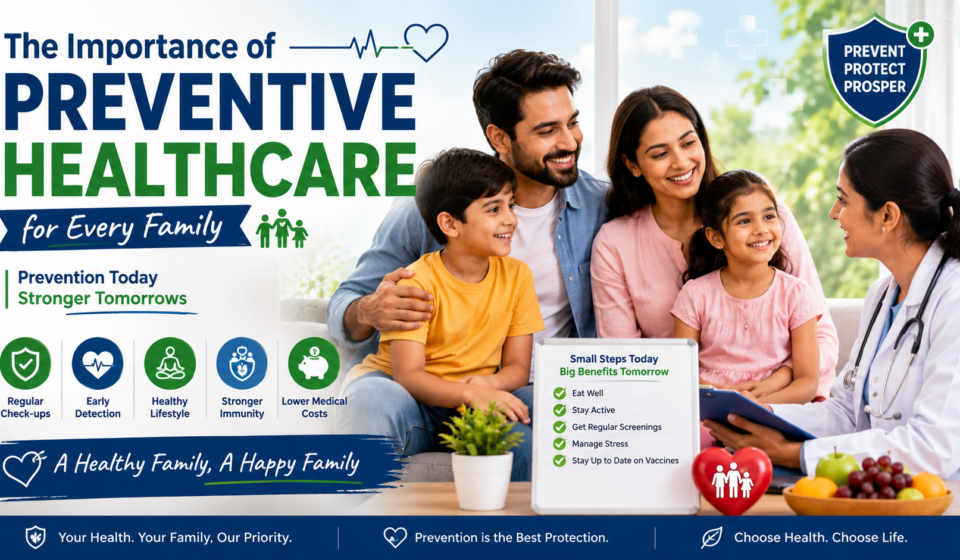

Healthcare is often associated with treating illnesses after they occur. However, one of the most effective ways to maintain long-term health and well-being is through preventive healthcare. Preventive healthcare focuses on identifying potential health risks, preventing diseases, and promoting healthy lifestyles before serious medical issues develop.
For families, preventive healthcare is particularly important because it helps protect every member—from young children to older adults—from avoidable health complications. By taking proactive steps such as routine checkups, vaccinations, health screenings, and healthy lifestyle practices, families can improve their quality of life while reducing healthcare costs in the future.
In today’s fast-paced world, many people delay medical visits until symptoms become severe. Unfortunately, this approach can lead to late diagnoses and more complex treatments. Understanding the importance of preventive healthcare can help families make informed decisions that support lifelong health.
What Is Preventive Healthcare?
Preventive healthcare refers to medical services and lifestyle practices designed to prevent diseases rather than treat them after they develop. The primary goal is to identify health risks early and take action before they become serious.
Preventive healthcare includes:
- Annual wellness exams
- Routine health screenings
- Vaccinations and immunizations
- Health education and counseling
- Nutritional guidance
- Exercise recommendations
- Blood pressure monitoring
- Cholesterol testing
- Diabetes screenings
- Mental health evaluations
These preventive measures help healthcare providers detect health issues in their earliest stages when treatment is often more effective and less expensive.
Why Preventive Healthcare Matters for Families
Every family member has unique healthcare needs based on age, lifestyle, and medical history. Preventive healthcare ensures that these needs are addressed proactively.
Early Detection Saves Lives
Many serious health conditions develop gradually and may not show noticeable symptoms during their early stages. Diseases such as diabetes, hypertension, heart disease, and certain cancers often progress silently.
Routine health screenings can identify these conditions before they become severe. Early detection allows healthcare providers to create treatment plans that improve outcomes and reduce complications.
For example, regular blood pressure checks can help detect hypertension before it leads to heart attacks or strokes.
Reduces Healthcare Costs
Preventive care is generally much less expensive than treating advanced illnesses.
Consider the difference between:
- Routine cholesterol screening versus emergency heart surgery
- Regular dental checkups versus extensive dental reconstruction
- Vaccinations versus hospitalization from preventable diseases
By preventing health problems or detecting them early, families can avoid costly medical treatments, hospital stays, and long recovery periods.
Improves Quality of Life
Healthy individuals are more likely to enjoy active, productive, and fulfilling lives.
Preventive healthcare helps people:
- Maintain physical fitness
- Manage stress effectively
- Avoid chronic illnesses
- Improve mental well-being
- Increase energy levels
- Support healthy aging
Families that prioritize preventive care often experience fewer health-related disruptions and can spend more quality time together.
The Role of Routine Medical Checkups
Routine medical examinations are a cornerstone of preventive healthcare.
During annual checkups, healthcare providers can:
- Review medical history
- Assess overall health
- Monitor vital signs
- Identify risk factors
- Recommend screenings
- Discuss lifestyle improvements
Many health conditions can be identified through simple examinations and laboratory tests before symptoms appear.
Regular visits also help build a strong relationship between families and healthcare providers, making it easier to manage future health concerns.
The Importance of Vaccinations
Vaccinations are among the most successful preventive healthcare measures ever developed.
They protect individuals from serious infectious diseases and help prevent outbreaks within communities.
Common vaccines include:
Childhood Vaccinations
Children receive vaccines that protect against:
- Measles
- Mumps
- Rubella
- Polio
- Hepatitis
- Diphtheria
- Pertussis
These immunizations play a crucial role in ensuring healthy childhood development.
Adult Vaccinations
Adults also require vaccinations to maintain immunity and protect against diseases such as:
- Influenza (flu)
- COVID-19
- Pneumonia
- Shingles
- Tetanus
Keeping vaccinations up to date protects both individuals and their families.
Preventive Screenings for Adults
Health screenings are essential for identifying diseases before symptoms arise.
Blood Pressure Screening
High blood pressure often develops without warning signs. Regular monitoring helps reduce the risk of:
- Heart disease
- Stroke
- Kidney damage
Cholesterol Testing
Elevated cholesterol levels can increase the risk of cardiovascular disease. Early detection allows for lifestyle modifications and treatment when necessary.
Diabetes Screening
Millions of people live with undiagnosed diabetes or prediabetes. Routine screening helps identify blood sugar abnormalities early.
Cancer Screenings
Depending on age and risk factors, healthcare providers may recommend screenings for:
- Breast cancer
- Cervical cancer
- Colorectal cancer
- Prostate cancer
- Skin cancer
Early detection significantly improves treatment outcomes.
Preventive Healthcare for Children
Children require preventive care to support healthy growth and development.
Key preventive services include:
Developmental Assessments
Pediatric healthcare providers monitor:
- Physical growth
- Cognitive development
- Language skills
- Social development
Early intervention can address developmental delays effectively.
Vision and Hearing Screenings
Vision and hearing problems can affect learning and social interactions. Routine screenings help identify concerns early.
Nutritional Guidance
Healthy eating habits established during childhood often continue into adulthood.
Healthcare providers can help families make informed nutritional choices that support long-term wellness.
Preventive Healthcare for Seniors
As individuals age, preventive healthcare becomes increasingly important.
Older adults may benefit from:
- Bone density testing
- Cardiovascular screenings
- Cognitive health assessments
- Fall prevention strategies
- Vaccinations
- Medication reviews
Regular preventive care helps seniors maintain independence and enjoy a higher quality of life.
The Connection Between Lifestyle and Preventive Health
Medical care alone cannot guarantee good health. Lifestyle choices play a major role in disease prevention.
Healthy Nutrition
A balanced diet supports:
- Heart health
- Weight management
- Strong immune function
- Disease prevention
Families should focus on:
- Fruits and vegetables
- Whole grains
- Lean proteins
- Healthy fats
- Adequate hydration
Physical Activity
Regular exercise helps:
- Strengthen the heart
- Improve mental health
- Maintain healthy weight
- Reduce chronic disease risk
Experts generally recommend at least 150 minutes of moderate physical activity each week.
Quality Sleep
Adequate sleep is essential for:
- Immune system function
- Cognitive performance
- Emotional well-being
- Physical recovery
Adults should aim for seven to nine hours of sleep each night.
Stress Management
Chronic stress can contribute to numerous health issues, including:
- High blood pressure
- Anxiety
- Depression
- Heart disease
Effective stress management techniques include:
- Meditation
- Exercise
- Deep breathing
- Hobbies
- Social support
Mental Health as Preventive Healthcare
Mental health is an important part of overall wellness.
Preventive mental healthcare includes:
- Stress management
- Counseling services
- Mental health screenings
- Emotional support systems
Addressing mental health concerns early can prevent more serious issues from developing over time.
Families should encourage open communication about emotional well-being and seek professional support when needed.
Building a Family Preventive Healthcare Plan
Creating a preventive healthcare strategy can help families stay organized and proactive.
Schedule Regular Checkups
Ensure that every family member receives age-appropriate medical examinations.
Maintain Vaccination Records
Keep immunization records updated and follow recommended schedules.
Monitor Health Metrics
Track important indicators such as:
- Blood pressure
- Weight
- Blood sugar levels
- Cholesterol levels
Encourage Healthy Habits
Promote healthy eating, physical activity, and stress management within the household.
Know Your Family Medical History
Understanding hereditary health risks can help healthcare providers recommend personalized preventive measures.
Common Barriers to Preventive Healthcare
Despite its benefits, many families delay preventive care.
Common barriers include:
- Busy schedules
- Financial concerns
- Lack of awareness
- Fear of medical procedures
- Transportation challenges
Addressing these barriers is essential for improving overall community health.
Many healthcare providers now offer flexible scheduling, telehealth services, and preventive care programs to make healthcare more accessible.
The Long-Term Benefits of Preventive Healthcare
Families that prioritize preventive healthcare often experience:
- Lower disease risk
- Better overall health
- Reduced medical expenses
- Increased longevity
- Improved quality of life
- Greater peace of mind
Preventive care is an investment in future well-being. The small steps taken today can have a profound impact on long-term health outcomes.
Conclusion
Preventive healthcare is one of the most valuable tools available for protecting the health of every family member. By focusing on early detection, routine screenings, vaccinations, healthy lifestyle choices, and regular medical checkups, families can reduce the risk of serious illnesses and enjoy healthier lives.
Rather than waiting for symptoms to appear, preventive healthcare encourages proactive action that supports long-term wellness. Whether caring for young children, working adults, or aging parents, investing in preventive care today can lead to a healthier and more secure future for the entire family.
Prioritizing preventive healthcare is not just about avoiding illness—it is about building a foundation for lifelong health, happiness, and well-being.