
In 2026, patients want healthcare that is fast, affordable, accessible, and personalized. Multi-specialty clinics are meeting these needs by combining expert doctors, advanced equipment, digital systems, and patient-friendly services. Their growing popularity shows how healthcare is moving toward convenience, quality, and complete care.
Modern multi-specialty healthcare clinics are becoming one of the most trusted choices for patients who want complete medical care in one place. In the past, patients often had to visit different hospitals, laboratories, specialists, and pharmacies separately for diagnosis, treatment, and follow-up care. This process was time-consuming, stressful, and sometimes expensive. Today, multi-specialty clinics are solving this problem by bringing different healthcare services together under one roof. The success of modern multi-specialty healthcare clinics is not accidental. It is the result of changing patient expectations, better medical technology, improved healthcare management, and a stronger focus on patient comfort. These clinics provide primary care, specialist consultations, diagnostics, preventive care, chronic disease management, minor procedures, and follow-up support in a more organized way.
What Are Multi-Specialty Healthcare Clinics?
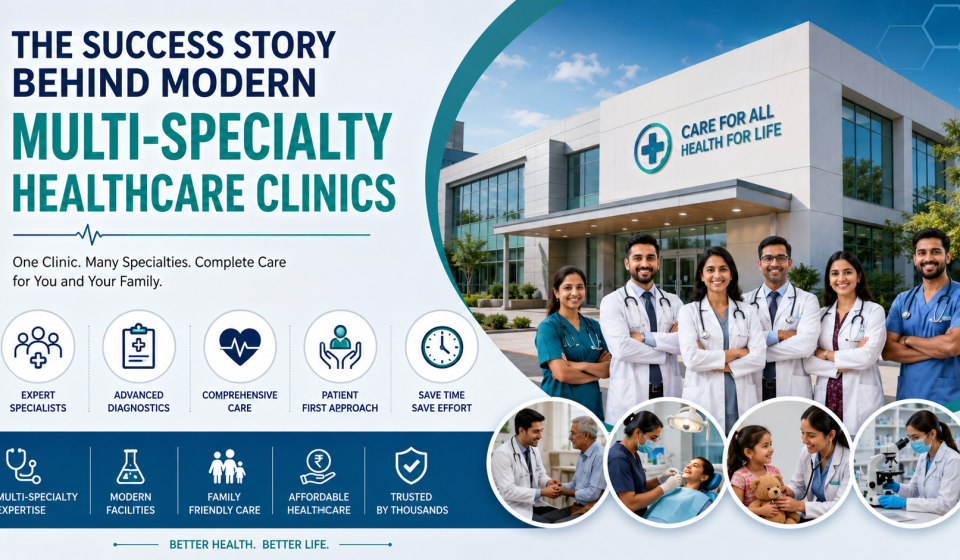
Multi-specialty healthcare clinics are medical centers that offer services from different medical departments in one location. Instead of visiting separate doctors for different health concerns, patients can consult multiple specialists at the same clinic.
A modern multi-specialty clinic may include general physicians, pediatricians, gynecologists, dermatologists, dentists, cardiologists, orthopedics, ENT specialists, physiotherapists, nutritionists, and diagnostic services. Some clinics also provide pharmacy support, health packages, telemedicine, vaccination, wellness programs, and preventive screening.
The main goal is to make healthcare easier for patients. When different services are connected, patients receive faster diagnosis, better coordination, and more complete treatment.
The Rise of One-Stop Healthcare Solutions
One of the biggest reasons behind the success of multi-specialty clinics is the demand for one-stop healthcare solutions. Patients no longer want to travel from one place to another for consultations, tests, reports, medicines, and follow-ups.
Modern clinics allow patients to complete most healthcare steps in one visit. For example, a patient with chest discomfort can consult a doctor, get basic tests, receive specialist advice, and collect medicines from the same clinic. This saves time and reduces stress.
One-stop care is especially helpful for families, elderly patients, working professionals, and people managing long-term diseases. Convenience has become a major factor in healthcare decisions, and multi-specialty clinics are built around that need.
Better Coordination Between Doctors
In traditional healthcare systems, patients often carry reports from one doctor to another. This can lead to confusion, repeated tests, and incomplete communication. Multi-specialty clinics improve this process by allowing doctors from different departments to work together.
For example, a diabetic patient may need help from a physician, nutritionist, eye specialist, and cardiologist. In a multi-specialty clinic, these experts can coordinate care more easily. They can share records, discuss treatment plans, and monitor progress together.
This teamwork improves patient outcomes. It also helps doctors make better decisions because they have a clearer understanding of the patient’s complete health condition.
Advanced Technology Supports Clinic Success
Technology has played a major role in the success of modern multi-specialty healthcare clinics. Digital appointment booking, electronic health records, telemedicine, online reports, automated reminders, and digital prescriptions make the patient journey smoother.
Electronic health records help doctors access patient history quickly. Digital diagnostic systems reduce delays in testing and reporting. Telemedicine allows patients to consult specialists without unnecessary travel. Mobile apps help patients book appointments, view reports, receive reminders, and communicate with clinic staff.
Technology makes clinics more efficient and organized. It reduces waiting time, improves accuracy, and creates a better patient experience.
Affordable and Transparent Healthcare
Healthcare costs are a major concern for many patients. Multi-specialty clinics are becoming successful because they often provide affordable care compared to large hospital systems, especially for routine consultations, basic diagnostics, preventive checkups, and follow-up care.
Many clinics offer health packages, transparent pricing, digital bills, and preventive screening plans. Patients can understand costs before treatment, which builds trust.
Affordable care does not mean low-quality care. Modern clinics focus on delivering value by combining expert consultation, diagnostic support, and patient convenience at reasonable prices.
Preventive Care Is Driving Popularity
Another important reason for the success of multi-specialty healthcare clinics is their focus on preventive care. People are becoming more aware of the importance of regular health checkups, early diagnosis, vaccination, lifestyle management, and wellness support.
Multi-specialty clinics offer preventive health packages that include blood tests, heart checkups, diabetes screening, thyroid tests, cholesterol tests, dental checkups, skin consultations, and women’s health screenings.
Preventive care helps detect health risks early. It also reduces the chances of serious illness and expensive treatments in the future. Clinics that promote prevention are becoming trusted health partners for individuals and families.
Personalized Patient Experience
Modern patients expect more than treatment. They want care that feels personal, respectful, and comfortable. Multi-specialty clinics succeed because they focus on the complete patient experience.
From easy appointment booking and friendly reception to clear doctor communication and follow-up reminders, every step matters. Patients appreciate clinics where staff listen carefully, explain treatment clearly, and guide them through the process.
Personalized care creates emotional trust. When patients feel understood, they are more likely to return and recommend the clinic to others.
Faster Diagnosis and Treatment
Multi-specialty clinics reduce delays by offering consultation, diagnostic testing, and specialist care in one place. When doctors and diagnostic services are connected, patients can receive faster results and quicker treatment plans.
For many conditions, early diagnosis is very important. Whether it is diabetes, heart disease, infection, skin problems, hormonal issues, or joint pain, timely treatment can prevent complications.
Fast diagnosis also reduces patient anxiety. When patients get answers quickly, they feel more confident and supported.
Strong Support for Chronic Disease Management
Chronic diseases such as diabetes, hypertension, asthma, thyroid disorders, obesity, and heart problems require regular monitoring and long-term care. Multi-specialty clinics are well-suited for this because they provide continuous support.
Patients can visit regularly for checkups, medicine adjustments, lab tests, diet counseling, physiotherapy, and lifestyle advice. Some clinics also use remote monitoring tools and digital reminders to help patients stay on track.
This regular and coordinated care helps patients manage their conditions better and avoid serious complications.
Convenient Care for Families
Families prefer multi-specialty clinics because they can meet the healthcare needs of different age groups. Children, adults, and elderly family members can receive care in the same clinic.
A family may need pediatric care, women’s health services, dental care, general medicine, dermatology, vaccinations, and preventive checkups. A multi-specialty clinic makes this easier by providing many services under one roof.
This convenience saves time and creates a long-term relationship between the clinic and the family.
Role of Skilled Medical Teams
The success of multi-specialty clinics depends on the quality of doctors, nurses, technicians, and support staff. Patients trust clinics that have qualified specialists, experienced physicians, trained nurses, and professional service teams.
Good medical teams not only provide treatment but also educate patients. They explain conditions, medicines, lifestyle changes, and follow-up plans in simple language.
A skilled and caring team is one of the strongest reasons patients continue choosing modern clinics.
Digital Communication and Follow-Up Care
Follow-up care is an important part of healthcare success. Many modern clinics use SMS, email, WhatsApp, mobile apps, and patient portals to stay connected with patients.
Patients receive reminders for medicines, tests, appointments, vaccinations, and health checkups. They can also access reports online and receive doctor instructions digitally.
This continuous communication improves treatment adherence and patient satisfaction. It shows that the clinic cares about patients even after the consultation is over.
Trust, Cleanliness, and Professional Management
Patients choose healthcare clinics not only for medical services but also for trust, cleanliness, safety, and professionalism. A successful multi-specialty clinic maintains hygiene, follows safety protocols, protects patient data, and provides respectful service.
Clean facilities, organized systems, transparent communication, and ethical practices help build a strong reputation. When patients feel safe and respected, they are more likely to trust the clinic.
Professional clinic management also improves efficiency. It ensures that appointments, billing, records, diagnostics, and follow-ups are handled smoothly.
Future Growth of Multi-Specialty Healthcare Clinics
The future of multi-specialty clinics looks promising. As healthcare becomes more digital and patient-centered, clinics will continue to grow. Artificial intelligence, telemedicine, remote monitoring, wearable health devices, digital health records, and personalized care plans will make clinics even more effective.
In the coming years, multi-specialty clinics may become the first point of contact for most non-emergency healthcare needs. They will play a major role in preventive care, chronic disease management, family healthcare, and community health.
Their success story will continue because they offer what modern patients value most: convenience, quality, affordability, and trust.
source
https://sl1nk.com/v1fnpe2
https://l1nq.com/z3rxq11
https://sl1nk.com/pm59odd
https://l1nq.com/28lrmuj
Conclusion
The success story behind modern multi-specialty healthcare clinics is based on their ability to provide complete, convenient, and patient-focused care. By bringing different medical specialties, diagnostics, technology, and follow-up support together, these clinics are making healthcare easier and more effective.
Patients are choosing multi-specialty clinics because they save time, reduce stress, improve coordination, and offer affordable care. Their focus on preventive health, personalized service, digital systems, and long-term patient relationships makes them an important part of modern healthcare.
As patient expectations continue to change, multi-specialty clinics will become even more important in creating a healthier and more connected future.
FAQs
1. What is a multi-specialty healthcare clinic?
A multi-specialty healthcare clinic is a medical center that offers services from different specialties, such as general medicine, pediatrics, gynecology, dermatology, dentistry, cardiology, diagnostics, and preventive care in one place.
2. Why are multi-specialty clinics becoming successful?
They are becoming successful because they provide convenience, faster diagnosis, better doctor coordination, affordable care, digital services, and multiple healthcare solutions under one roof.
3. Are multi-specialty clinics better than hospitals?
Multi-specialty clinics are better for routine care, preventive checkups, follow-ups, minor treatments, and chronic disease management. However, hospitals are necessary for emergencies, major surgeries, and critical care.
4. What services do modern multi-specialty clinics offer?
They may offer doctor consultations, lab tests, pharmacy support, telemedicine, vaccinations, health checkups, dental care, skin care, physiotherapy, women’s health, child care, and wellness programs.
5. How do multi-specialty clinics save time?
They save time by offering consultations, diagnostics, reports, medicines, and follow-up services in one location, reducing the need to visit multiple healthcare centers.