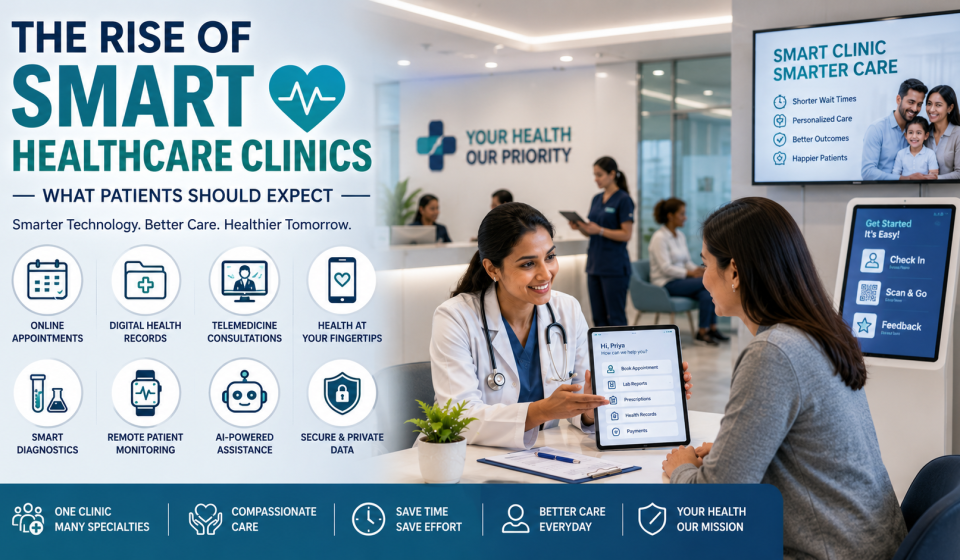

A smart healthcare clinic combines medical expertise with digital tools such as online appointment systems, electronic health records, telemedicine, artificial intelligence, remote monitoring, digital diagnostics, and automated patient communication.
Healthcare is changing faster than ever, and smart healthcare clinics are becoming an important part of this transformation. In the past, visiting a clinic often meant long waiting times, paper records, repeated tests, and limited communication after the consultation. Today, smart healthcare clinics are using technology to make medical care faster, safer, more convenient, and more patient-friendly. These technologies help clinics improve patient experience while supporting doctors in delivering better care.Patients in 2026 expect healthcare to be simple, transparent, accessible, and personalized. Smart clinics are designed to meet these expectations by reducing delays, improving accuracy, and making healthcare more connected. Whether someone needs a routine checkup, specialist consultation, preventive screening, or chronic disease management, smart clinics are becoming a modern solution for everyday healthcare needs.
What Are Smart Healthcare Clinics?
Smart healthcare clinics are modern medical centers that use advanced technology to improve the way patients receive care. These clinics are not only focused on treating illness but also on making the complete healthcare journey easier.
A smart clinic may include digital appointment booking, automated check-in, electronic medical records, online prescriptions, digital lab reports, teleconsultation, health apps, AI-based support, and connected medical devices. These systems work together to create a smooth and organized patient experience.
The main goal of a smart clinic is to provide faster access to care, better communication, accurate diagnosis, and continuous support before, during, and after the clinic visit.
Easy Online Appointment Booking
One of the first things patients can expect from a smart healthcare clinic is easy online appointment booking. Instead of calling the clinic repeatedly or waiting at the reception desk, patients can book appointments through a website, mobile app, or digital platform.
They can choose the doctor, department, date, time, and consultation type. Some clinics also allow patients to upload previous reports before the visit. This helps doctors prepare better and saves time during consultation.
Online booking also reduces overcrowding at clinics. Patients receive appointment reminders through SMS, email, or app notifications, which helps them stay organized and avoid missed visits.
Faster Check-In and Shorter Waiting Time
Smart clinics are improving the waiting room experience with digital check-in systems, QR codes, self-service kiosks, and token management tools. Patients can complete registration digitally before arriving at the clinic or check in quickly after reaching the location.
This reduces long queues and unnecessary paperwork. Patients can see their queue status on screens or mobile devices. For busy families, elderly patients, and working professionals, this creates a more comfortable experience.
Shorter waiting times are one of the biggest reasons patients prefer smart healthcare clinics over traditional systems.
Electronic Health Records for Better Care
Electronic health records are a major feature of smart clinics. Instead of maintaining paper files, clinics store patient information digitally. This includes medical history, test results, allergies, prescriptions, diagnosis notes, and treatment plans.
When doctors have quick access to complete patient information, they can make better decisions. Digital records also reduce the chances of missing details or repeating unnecessary tests.
For patients, electronic records make healthcare more convenient. They can access reports, prescriptions, and follow-up instructions online whenever needed.
Telemedicine and Virtual Consultations
Telemedicine is one of the most important services offered by smart healthcare clinics. Patients can consult doctors through video calls, audio calls, or secure chat platforms. This is especially useful for follow-up visits, minor illnesses, prescription renewals, lifestyle guidance, and chronic disease management.
Virtual consultations save travel time and make healthcare accessible for people living far from clinics. They are also helpful for elderly patients, busy professionals, and patients with mobility issues.
Smart clinics usually combine in-person care with virtual care, giving patients more flexibility and control over how they receive medical support.
AI Support for Faster and Smarter Care
Artificial intelligence is helping smart clinics improve patient service and clinical support. AI chatbots can answer basic patient questions, guide appointment booking, explain clinic services, and provide reminders.
AI tools can also help doctors analyze symptoms, medical history, and test reports. While AI does not replace doctors, it supports them by organizing information and highlighting possible health risks.
This makes the care process faster and more accurate. Patients benefit from quicker responses, better guidance, and improved treatment planning.
Digital Diagnostics and Faster Reports
Smart healthcare clinics often use digital diagnostic systems to speed up testing and reporting. Lab tests, imaging reports, and health screenings can be managed through connected digital platforms.
Patients no longer need to visit the clinic multiple times just to collect reports. Reports can be shared online with both patients and doctors. This helps doctors review results quickly and begin treatment without delay.
Faster diagnostics reduce anxiety for patients and improve the overall quality of care.
Remote Patient Monitoring
Remote patient monitoring is another powerful feature of smart healthcare clinics. Patients with long-term conditions such as diabetes, high blood pressure, heart disease, asthma, and obesity can share health data with doctors through connected devices.
Wearables, mobile apps, glucose monitors, blood pressure devices, and fitness trackers can help doctors monitor patient progress from a distance. If there is a sudden change in health data, the clinic can guide the patient early.
This type of continuous care is especially useful for chronic disease management and preventive healthcare.
Personalized Treatment Plans
Patients can expect more personalized care from smart clinics. With the help of digital records, health data, lifestyle information, and regular monitoring, doctors can create treatment plans that match each patient’s needs.
For example, a patient with diabetes may receive diet advice, exercise suggestions, medicine reminders, and regular monitoring support. A patient with heart risk may receive preventive screening reminders and lifestyle counseling.
Personalized care makes patients feel understood and supported. It also improves treatment results because the care plan is based on the patient’s actual health condition.
Better Communication and Follow-Up
Smart clinics improve communication through mobile apps, patient portals, automated messages, and digital reminders. Patients can receive appointment reminders, medicine instructions, test updates, vaccination alerts, and follow-up notifications.
Good communication helps patients follow treatment properly. It also reduces confusion after the doctor visit. Many patients forget instructions after consultation, but digital follow-ups help them stay on track.
This continuous connection between clinic and patient builds trust and improves satisfaction.
Digital Payments and Transparent Billing
Smart healthcare clinics also make billing easier. Patients can pay through digital payment options such as cards, UPI, mobile wallets, online payment links, or insurance-supported systems.
Transparent billing helps patients understand consultation fees, test charges, health packages, and treatment costs. Digital receipts and online payment records also make the process more organized.
A simple payment experience adds to patient comfort and reduces stress during clinic visits.
Stronger Focus on Preventive Healthcare
Smart clinics are not only treating illness; they are also helping patients prevent disease. They use health reminders, screening alerts, wellness programs, and digital tracking tools to encourage regular checkups.
Patients may receive reminders for blood tests, vaccinations, dental visits, eye checkups, heart screenings, women’s health checkups, and lifestyle counseling.
Preventive healthcare helps detect problems early and reduces the risk of serious illness. This is one of the biggest benefits patients can expect from smart clinics.
Data Security and Patient Privacy
As clinics become more digital, patient data security becomes very important. Smart healthcare clinics must protect medical records, reports, personal details, and payment information.
Patients should expect secure login systems, encrypted records, controlled access, and clear privacy policies. A trustworthy smart clinic should explain how patient data is stored and protected.
Technology improves healthcare, but privacy and safety must always remain a priority.
Human Care Still Matters
Even with advanced technology, patients still need kindness, empathy, and personal attention. A smart clinic should not feel robotic or confusing. The best clinics use technology to support human care, not replace it.
Doctors, nurses, and support staff must still listen carefully, explain clearly, and treat patients respectfully. Technology can make healthcare faster, but compassion makes healthcare meaningful.
Patients should expect a balance of modern tools and caring medical professionals.
Source
https://sl1nk.com/r6j251j
https://l1nq.com/6vr291g
https://l1nq.com/xpmxz4g
Conclusion
The rise of smart healthcare clinics shows how technology is reshaping the future of patient care. These clinics are making healthcare faster, easier, safer, and more personalized through online booking, digital records, telemedicine, AI support, remote monitoring, digital diagnostics, and better communication.
Patients can expect shorter waiting times, easier access to doctors, faster reports, personalized treatment plans, and stronger follow-up support. Smart clinics are especially useful for preventive care, chronic disease management, family healthcare, and routine medical needs.
However, the real success of smart healthcare clinics depends on combining technology with trust, privacy, affordability, and human compassion. In 2026 and beyond, smart clinics will continue to grow because they offer what modern patients want most: convenient care with better health outcomes.
FAQs
1. What is a smart healthcare clinic?
A smart healthcare clinic is a modern medical center that uses technology such as online booking, electronic records, telemedicine, AI tools, digital diagnostics, and remote monitoring to improve patient care.
2. How are smart clinics different from traditional clinics?
Smart clinics use digital systems to reduce waiting time, improve communication, manage patient records, provide virtual care, and offer faster services compared to traditional clinics.
3. Are smart healthcare clinics safe?
Yes, smart clinics can be safe when they use secure systems, encrypted records, privacy policies, trained staff, and proper medical protocols.
4. Can smart clinics replace hospitals?
No, smart clinics are useful for routine care, preventive checkups, consultations, minor treatments, and chronic disease management. Hospitals are still needed for emergencies, surgeries, and critical care.
5. How does telemedicine help patients?
Telemedicine allows patients to consult doctors online, saving time and improving access to care for follow-ups, minor illnesses, and regular health guidance.