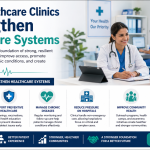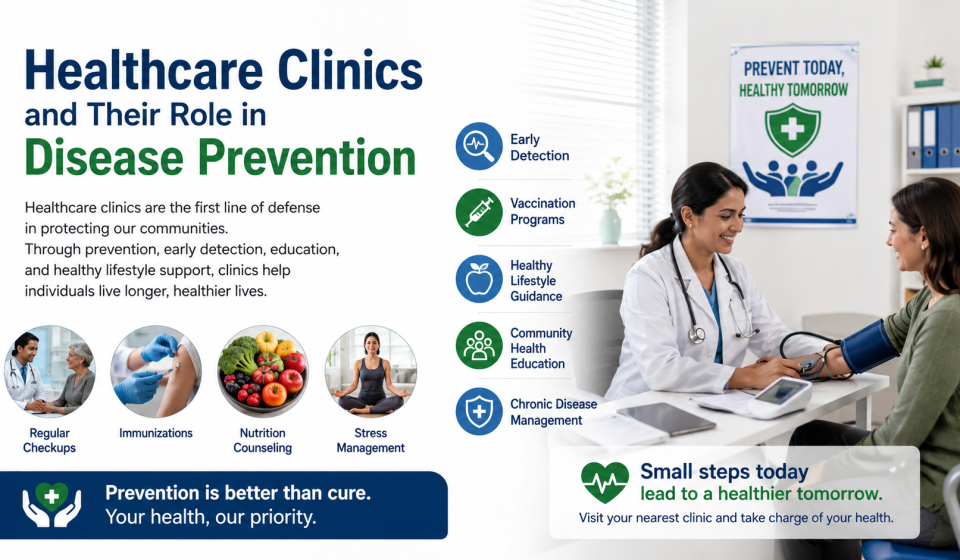

Healthcare clinics play a vital role in modern healthcare systems by focusing not only on treating illnesses but also on preventing diseases before they become serious health concerns. As healthcare costs continue to rise and chronic diseases become more common, preventive healthcare has become one of the most effective strategies for improving public health outcomes. Healthcare clinics serve as the first line of defense against many diseases by providing screenings, vaccinations, health education, routine checkups, and early intervention services.
Understanding Disease Prevention in Healthcare Clinics
Disease prevention refers to measures taken to reduce the risk of developing illnesses and health conditions. Healthcare clinics are designed to provide preventive services that help individuals avoid diseases or detect them in their earliest stages.
Preventive healthcare generally includes:
- Regular health screenings
- Vaccinations and immunizations
- Health education programs
- Chronic disease monitoring
- Lifestyle counseling
- Nutritional guidance
- Mental health support
- Early disease detection
Healthcare clinics focus on keeping patients healthy rather than only treating them after they become sick.
The Importance of Preventive Healthcare
Preventive healthcare is one of the most cost-effective approaches in medicine. Many serious diseases such as diabetes, heart disease, hypertension, and certain cancers can develop silently without noticeable symptoms.
Regular visits to healthcare clinics allow medical professionals to identify warning signs before conditions become severe. Early detection often leads to more successful treatment outcomes and lower healthcare costs.
Preventive care also helps patients maintain a higher quality of life by reducing the likelihood of severe complications and long-term disabilities.
Early Detection Through Health Screenings
One of the most important roles of healthcare clinics is conducting routine health screenings. These screenings help identify diseases before symptoms appear.
Common screenings offered by healthcare clinics include:
Blood Pressure Checks
High blood pressure is often called a “silent killer” because it may not show symptoms. Regular monitoring helps prevent heart disease and stroke.
Diabetes Screening
Blood sugar tests help detect prediabetes and diabetes early, allowing patients to make lifestyle changes before complications occur.
Cholesterol Testing
Monitoring cholesterol levels helps reduce the risk of cardiovascular disease.
Cancer Screenings
Healthcare clinics may offer screenings for breast cancer, cervical cancer, colorectal cancer, and prostate cancer depending on age and risk factors.
Early detection significantly improves treatment success rates and reduces medical expenses.
Vaccination Programs and Disease Prevention
Vaccinations remain one of the most successful public health achievements in history. Healthcare clinics provide immunization services for children, adults, and seniors.
Vaccines protect individuals from diseases such as:
- Influenza
- Hepatitis
- Measles
- Mumps
- Rubella
- COVID-19
- Pneumonia
- Human Papillomavirus (HPV)
Vaccination programs not only protect individuals but also contribute to herd immunity, reducing disease spread within communities.
Healthcare clinics ensure vaccines are accessible, affordable, and administered according to recommended schedules.
Managing Chronic Diseases Effectively
Many healthcare clinics specialize in chronic disease management. Conditions such as diabetes, hypertension, asthma, and heart disease require continuous monitoring to prevent complications.
Healthcare providers help patients:
- Monitor symptoms
- Adjust medications
- Track progress
- Maintain healthy lifestyles
- Prevent disease progression
Regular clinic visits help reduce hospital admissions and emergency room visits while improving patient outcomes.
Promoting Healthy Lifestyle Choices
Disease prevention extends beyond medical treatments. Healthcare clinics educate patients about healthy living habits that reduce disease risks.
Nutrition Counseling
Poor nutrition contributes to obesity, diabetes, and heart disease. Clinics provide dietary guidance to help patients make healthier food choices.
Physical Activity Recommendations
Regular exercise improves cardiovascular health, strengthens immunity, and helps maintain a healthy weight.
Smoking Cessation Programs
Smoking increases the risk of cancer, lung disease, and cardiovascular conditions. Healthcare clinics often provide support programs to help patients quit smoking.
Stress Management
Chronic stress can negatively impact both physical and mental health. Clinics may offer counseling and wellness programs to promote stress reduction.
These preventive measures help patients avoid many lifestyle-related diseases.
Health Education and Community Awareness
Healthcare clinics play a critical role in educating communities about disease prevention. Public health campaigns and educational programs increase awareness of health risks and healthy behaviors.
Clinics often organize:
- Health workshops
- Awareness campaigns
- Community screenings
- Wellness events
- Educational seminars
These initiatives empower individuals to take control of their health and make informed decisions.
Preventing Infectious Diseases
Healthcare clinics are essential in controlling infectious diseases. Through vaccinations, screenings, health education, and infection control practices, clinics help prevent disease outbreaks.
During public health emergencies, clinics often provide:
- Disease testing
- Vaccination services
- Public health guidance
- Contact tracing support
- Health monitoring
Their efforts contribute significantly to community health protection.
Mental Health Prevention and Support
Mental health is a crucial component of overall wellness. Healthcare clinics increasingly offer preventive mental health services to identify issues before they become severe.
These services may include:
- Mental health screenings
- Counseling services
- Stress management programs
- Anxiety and depression assessments
- Referrals to specialists
Early intervention can prevent serious mental health conditions and improve quality of life.
Preventive Care for Children
Healthcare clinics play an important role in protecting children’s health through preventive services such as:
- Growth monitoring
- Developmental assessments
- Vaccinations
- Nutritional guidance
- Vision and hearing screenings
These services help ensure children grow and develop properly while reducing the risk of future health problems.
Preventive Care for Older Adults
Seniors often face higher risks of chronic diseases and age-related conditions. Healthcare clinics provide specialized preventive services for older adults, including:
- Bone density screenings
- Heart health monitoring
- Diabetes management
- Vision examinations
- Fall prevention programs
These services help older adults maintain independence and improve their quality of life.
The Role of Technology in Disease Prevention
Modern healthcare clinics increasingly use technology to enhance preventive care.
Examples include:
Electronic Health Records (EHRs)
Digital records help providers track patient health history and identify risk factors.
Telehealth Services
Virtual consultations improve access to preventive healthcare, especially for patients in remote areas.
Health Monitoring Apps
Mobile applications help patients track fitness, medication schedules, blood pressure, and other health indicators.
Technology enables healthcare clinics to provide more personalized and proactive care.
Benefits of Disease Prevention for Healthcare Systems
Disease prevention benefits entire healthcare systems by:
- Reducing hospital overcrowding
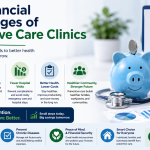
- Lowering healthcare costs
- Improving patient outcomes
- Increasing healthcare efficiency
- Reducing emergency medical visits
When clinics focus on prevention, healthcare resources can be used more effectively.
The Future of Preventive Healthcare Clinics
The future of healthcare clinics lies in preventive medicine, personalized healthcare, artificial intelligence, and digital health technologies. As healthcare systems shift toward prevention-focused models, clinics will continue expanding their role in early detection, patient education, and wellness promotion.
Future healthcare clinics are expected to offer more advanced screening tools, predictive analytics, and personalized prevention plans tailored to individual health risks.
Source
https://l1nq.com/ni4naf7
https://l1nq.com/3om2k9g
Conclusion
Healthcare clinics are essential partners in disease prevention and public health improvement. Through regular screenings, vaccinations, chronic disease management, lifestyle counseling, and community education, they help individuals stay healthy and avoid serious medical conditions. Preventive healthcare not only improves quality of life but also reduces healthcare costs and strengthens healthcare systems. As medical technology continues to evolve, healthcare clinics will play an even greater role in protecting communities and promoting long-term wellness.
FAQs
1. What is the role of healthcare clinics in disease prevention?
Healthcare clinics help prevent diseases through screenings, vaccinations, health education, lifestyle counseling, and early detection services.
2. Why is preventive healthcare important?
Preventive healthcare helps identify health risks early, reduces healthcare costs, improves treatment outcomes, and enhances overall quality of life.
3. What preventive services do healthcare clinics provide?
They provide health screenings, vaccinations, wellness checkups, chronic disease management, nutritional counseling, and mental health support.
4. How do healthcare clinics help manage chronic diseases?
Clinics monitor patient health, provide treatment plans, adjust medications, and educate patients on lifestyle changes to prevent complications.
5. How does technology improve disease prevention in clinics?
Technology such as electronic health records, telehealth services, and health monitoring apps helps clinics provide more efficient and personalized preventive care.