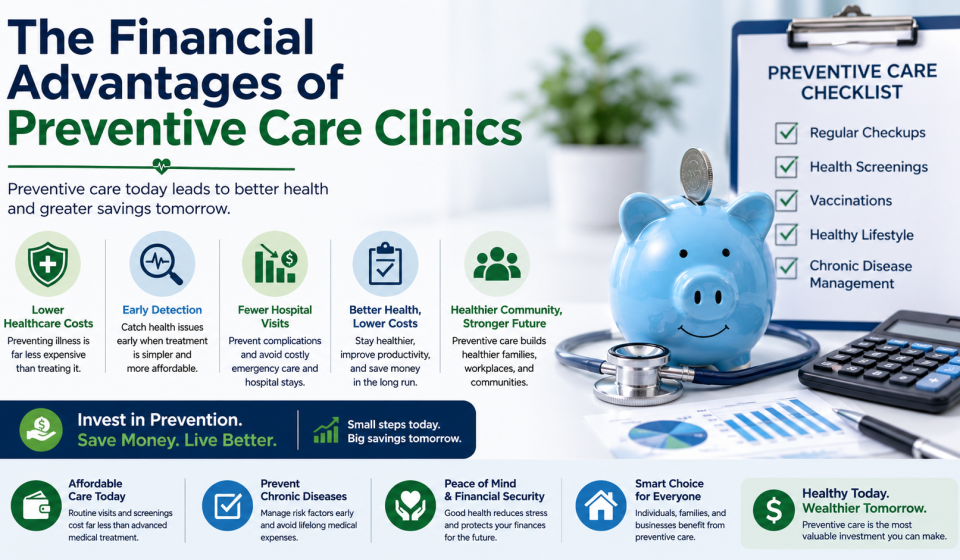

Healthcare expenses are increasing every year, and many people are searching for smarter ways to protect their health without facing heavy medical bills. Preventive care clinics offer one of the most effective solutions. Instead of waiting until a disease becomes serious, these clinics focus on early detection, regular health checkups, screenings, vaccinations, and lifestyle guidance.
What Are Preventive Care Clinics?
Preventive care clinics are healthcare centers that focus on stopping diseases before they become severe. These clinics provide services such as routine checkups, blood pressure monitoring, diabetes screening, cholesterol testing, cancer screenings, vaccinations, nutrition counseling, and wellness programs.
The main goal of preventive care clinics is to help patients understand their health risks early. By doing this, patients can take action before minor health problems turn into major medical conditions.
Why Preventive Care Matters Financially
Many people avoid regular checkups because they think they are saving money. However, skipping preventive care can lead to higher expenses in the future. A small health issue that could have been treated early may later require emergency care, surgery, hospitalization, or long-term medication.
Preventive care clinics help reduce these risks by offering affordable and regular healthcare services. This makes them a smart financial choice for people who want to manage both their health and budget.
Early Detection Reduces Treatment Costs
One of the biggest financial advantages of preventive care clinics is early detection. Many serious diseases, such as diabetes, high blood pressure, heart disease, and certain cancers, may not show clear symptoms in the beginning.
Regular screenings can detect these conditions early. When a disease is found in its early stage, treatment is usually less complicated and less expensive. For example, managing high blood pressure with lifestyle changes and basic medication is much cheaper than treating a stroke or heart attack.
Early detection helps patients avoid advanced medical treatments and protects them from large healthcare bills.
Lower Emergency Room Expenses
Emergency room visits are often costly. Many people end up in emergency care because they ignore symptoms or do not receive timely medical attention. Preventive care clinics help reduce emergency visits by monitoring patient health regularly.
When doctors identify warning signs early, they can provide treatment before the condition becomes urgent. This reduces the need for expensive emergency services and helps patients avoid sudden financial stress.
Reduced Hospital Admissions
Hospital stays can be one of the most expensive parts of healthcare. Costs may include room charges, doctor consultations, tests, medicines, and procedures. Preventive care clinics help reduce hospital admissions by managing health problems before they become severe.
Patients with chronic conditions such as diabetes, asthma, hypertension, and heart disease benefit greatly from regular monitoring. With proper guidance and timely treatment, they are less likely to develop complications that require hospitalization.
Savings on Long-Term Medication
Many advanced diseases require long-term medication. These ongoing expenses can become a financial burden for patients and families. Preventive care clinics help reduce the risk of developing serious chronic diseases through early intervention and lifestyle management.
For example, regular cholesterol checks and heart health guidance can reduce the risk of cardiovascular disease. Weight management programs can help prevent diabetes. Vaccinations can prevent infections that may otherwise require costly treatment.
By preventing diseases early, patients can reduce the need for expensive long-term medicines.
Affordable Routine Health Checkups
Preventive care clinics usually offer affordable health checkup packages. These may include basic tests such as blood pressure measurement, blood sugar testing, cholesterol checks, body mass index evaluation, and general physical examinations.
Routine checkups are much cheaper than treating advanced diseases. Spending a small amount on regular checkups can save a large amount in future medical expenses.
Better Financial Planning for Families
Unexpected medical expenses can disturb a family’s financial stability. A sudden surgery, hospital admission, or emergency treatment can use savings and even create debt.
Preventive care clinics help families plan healthcare expenses better. Regular checkups provide a clear picture of health conditions and possible risks. When health issues are found early, families can manage treatment in a planned and affordable way.
This reduces the chances of sudden financial pressure.
Benefits for Employers
Preventive care clinics are also beneficial for businesses and employers. Healthy employees are more productive, take fewer sick leaves, and contribute better to workplace performance.
Many companies now encourage preventive health checkups, wellness programs, and vaccination drives. These services help reduce absenteeism and healthcare-related costs. Employers benefit because preventive healthcare supports a healthier and more active workforce.
Lower Insurance Claims
Preventive care clinics can also help reduce insurance claims. When people receive regular checkups and early treatment, they are less likely to need expensive hospital care or major procedures.
Some insurance plans also cover preventive services because they help reduce long-term healthcare costs. This can lower out-of-pocket expenses for patients and encourage them to take preventive health seriously.
Preventive Care for Chronic Disease Management
Chronic diseases are among the leading causes of high healthcare costs. Conditions like diabetes, hypertension, heart disease, and asthma need continuous care. Preventive care clinics help patients manage these conditions effectively.
Doctors can monitor progress, adjust medication, recommend lifestyle changes, and prevent complications. This regular support helps patients stay healthier while avoiding costly medical emergencies.
Lifestyle Guidance Saves Money
Preventive care clinics often provide lifestyle counseling. Patients receive advice on diet, exercise, sleep, stress management, smoking cessation, and weight control.
These lifestyle changes can prevent many expensive diseases. For example, regular exercise and healthy eating can reduce the risk of obesity, heart disease, and diabetes. Quitting smoking can lower the risk of lung disease and cancer.
Healthy lifestyle choices may seem simple, but they can lead to major financial savings over time.
Preventive Care for Children and Seniors
Preventive care clinics are useful for every age group. For children, clinics provide vaccinations, growth monitoring, nutrition advice, and early health assessments. These services help prevent future health issues and reduce medical costs for parents.
For seniors, preventive care is especially important because older adults are more likely to develop chronic conditions. Regular checkups can help manage blood pressure, diabetes, bone health, vision, hearing, and heart health. This reduces the risk of serious complications and expensive hospital visits.
Technology in Preventive Care Clinics
Modern preventive care clinics use digital tools to improve healthcare delivery. Electronic health records, telehealth consultations, appointment reminders, and health tracking apps help patients stay connected with doctors.
Technology makes preventive care more convenient and efficient. Patients can receive reminders for screenings, vaccinations, and follow-up visits. This helps them stay consistent with their health routine and avoid future complications.
Preventive Care Improves Quality of Life
The financial benefits of preventive care are closely connected to quality of life. Healthy people can work regularly, support their families, and enjoy daily activities without frequent medical interruptions.
Poor health can lead to missed work, reduced income, and higher expenses. Preventive care clinics help people stay active and independent, which protects both health and financial stability.
Why Preventive Care Is a Smart Investment
Preventive care should not be seen as an extra expense. It is a smart investment in long-term health and financial security. Spending money on regular checkups, screenings, and wellness guidance can prevent much larger expenses later.
Preventive care clinics help patients make informed decisions, reduce disease risks, and avoid unnecessary medical costs. In a time when healthcare is becoming more expensive, prevention is one of the best ways to save money.
Source
https://sl1nk.com/9eczitd
https://l1nq.com/cpuypfg
Conclusion
Preventive care clinics provide strong financial advantages by reducing emergency visits, hospital admissions, long-term medication expenses, and advanced treatment costs. Through early detection, routine checkups, vaccinations, chronic disease management, and lifestyle counseling, these clinics help patients avoid serious health problems and unnecessary medical bills.
For individuals, families, employers, and healthcare systems, preventive care is a practical and cost-effective solution. By investing in prevention today, people can enjoy better health and greater financial security tomorrow.
FAQs
1. What are preventive care clinics?
Preventive care clinics are healthcare centers that focus on regular checkups, screenings, vaccinations, and lifestyle guidance to prevent diseases before they become serious.
2. How do preventive care clinics save money?
They save money by detecting health problems early, reducing emergency visits, preventing hospital admissions, and lowering long-term treatment costs.
3. Are preventive health checkups worth it?
Yes, preventive health checkups are worth it because they are usually much cheaper than treating advanced diseases or medical emergencies.
4. What services do preventive care clinics offer?
They offer routine checkups, blood tests, health screenings, vaccinations, chronic disease monitoring, nutrition counseling, and wellness programs.
5. Who should visit preventive care clinics?
Everyone can benefit from preventive care clinics, including children, adults, seniors, working professionals, and people with existing health conditions.