
As patients become more aware of their healthcare choices, specialized clinics are becoming an important part of modern medical care. This article explains how specialized healthcare clinics improve treatment quality and why they are valuable for patients and healthcare systems.
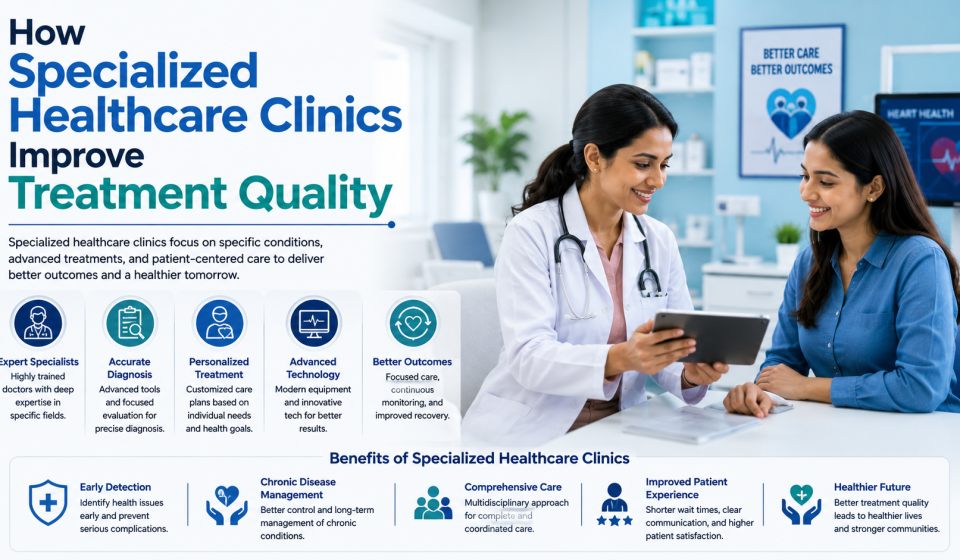
Healthcare is becoming more advanced, personalized, and focused on patient outcomes. One major reason for this progress is the growth of specialized healthcare clinics. Unlike general clinics that provide broad medical care, specialized clinics focus on specific health conditions, body systems, age groups, or treatment areas. Examples include diabetes clinics, heart clinics, skin care clinics, fertility clinics, orthopedic clinics, eye clinics, dental clinics, mental health clinics, and women’s health clinics. Specialized healthcare clinics improve treatment quality by offering expert doctors, advanced diagnostic tools, focused care plans, and continuous follow-up. They help patients receive accurate diagnosis, faster treatment, and better long-term health management.
What Are Specialized Healthcare Clinics?
Specialized healthcare clinics are medical centers that focus on one specific area of health. Instead of treating all types of illnesses, they provide expert care for selected conditions or medical needs.
For example, a diabetes clinic focuses on blood sugar control, nutrition, medication, foot care, and long-term monitoring. A heart clinic focuses on blood pressure, cholesterol, ECG testing, heart risk assessment, and cardiac care. A dermatology clinic treats skin, hair, and nail problems.
Because these clinics focus on specific medical fields, they can provide deeper expertise and more targeted treatment.
Access to Expert Medical Professionals
One of the biggest benefits of specialized clinics is access to trained specialists. Patients receive care from doctors and healthcare professionals who have deep knowledge in a particular field.
Specialists understand complex symptoms, disease patterns, advanced treatments, and condition-specific risks better than general providers. This expertise helps patients receive more accurate advice and better treatment decisions.
For example, a patient with chronic skin allergies may benefit more from a dermatologist than from general treatment alone. Expert care reduces confusion and improves treatment quality.
More Accurate Diagnosis
Correct diagnosis is the foundation of effective treatment. Specialized clinics often use focused diagnostic methods to identify problems more accurately.
Because specialists regularly treat similar conditions, they can recognize warning signs early. They may also use advanced tests, imaging, lab investigations, and screening tools specific to their field.
Accurate diagnosis prevents unnecessary medicines, repeated consultations, delayed care, and incorrect treatment. This improves patient safety and increases the chances of faster recovery.
Personalized Treatment Plans
Specialized clinics create treatment plans based on the patient’s condition, history, lifestyle, age, risk factors, and goals. This personalized approach improves treatment quality because patients do not receive one-size-fits-all care.
For example, two diabetic patients may need different plans depending on blood sugar levels, weight, diet, activity, other diseases, and medication response. A specialized diabetes clinic can design a plan that fits each patient better.
Personalized care improves results because treatment becomes more practical and patient-friendly.
Advanced Technology and Equipment
Many specialized healthcare clinics use advanced technology related to their field. Eye clinics may use modern vision testing equipment, dental clinics may use digital X-rays, and cardiac clinics may offer ECG, echo, or heart risk assessment tools.
Technology supports better diagnosis, treatment planning, monitoring, and follow-up. It also improves accuracy and reduces delays.
Modern equipment helps doctors detect conditions earlier and provide better care with greater confidence.
Faster and Focused Care
Patients often visit specialized clinics because they want direct care for a specific problem. Specialized clinics save time by offering focused services without unnecessary steps.
For example, a patient with knee pain can visit an orthopedic clinic and receive examination, imaging advice, physiotherapy guidance, and treatment planning in a more organized way.
Focused care helps patients get the right treatment faster. This improves satisfaction and reduces the risk of worsening symptoms.
Better Chronic Disease Management
Chronic diseases require regular care and monitoring. Specialized clinics are highly effective for managing long-term conditions such as diabetes, asthma, hypertension, thyroid disorders, kidney disease, arthritis, and heart disease.
These clinics help patients track progress, adjust medications, monitor complications, and follow lifestyle changes. Regular follow-up reduces emergency visits and prevents serious health problems.
For chronic patients, specialized clinics provide continuity of care, which is essential for better outcomes.
Improved Preventive Care
Specialized clinics do not only treat disease; they also focus on prevention. They help patients understand risk factors and take action before health problems become serious.
For example, a heart clinic may screen patients for high cholesterol and blood pressure. A women’s health clinic may provide cervical screening, breast health awareness, and reproductive health guidance. A dental clinic may prevent gum disease through regular cleaning and education.
Preventive care improves treatment quality by reducing future complications.
Better Patient Education
Patient education is an important part of quality treatment. Specialized clinics often spend time explaining conditions, symptoms, medicines, lifestyle changes, warning signs, and follow-up needs.
When patients understand their health condition, they are more likely to follow treatment properly. Education also reduces fear and confusion.
For example, asthma patients can learn how to use inhalers correctly. Diabetes patients can learn about diet, exercise, sugar monitoring, and foot care. Better knowledge leads to better health decisions.
Coordinated Care Approach
Many specialized clinics work with other healthcare providers when patients need additional care. For example, a cancer clinic may coordinate with surgeons, radiologists, nutritionists, counselors, and rehabilitation experts.
This coordinated approach ensures that patients receive complete care instead of fragmented treatment. It reduces communication gaps and improves patient safety.
Specialized clinics often act as a central point for managing complex conditions.
Higher Patient Satisfaction
Patients feel more confident when they receive focused care from experts. Specialized clinics usually offer clearer guidance, better communication, faster diagnosis, and more targeted treatment.
This improves patient satisfaction and trust. Patients are also more likely to continue follow-ups when they feel understood and supported.
Good patient experience is an important part of treatment quality.
Reduced Risk of Complications
Many health problems become serious when they are not treated properly or on time. Specialized clinics help reduce complications through early diagnosis, regular monitoring, and expert treatment.
For example, regular care at a diabetes clinic can reduce risks related to eyes, kidneys, nerves, and heart health. A heart clinic can help prevent severe cardiac events by monitoring blood pressure, cholesterol, and lifestyle risks.
Reducing complications improves both health outcomes and quality of life.
Support for Mental and Emotional Health
Some specialized clinics focus on mental health, counseling, addiction care, child development, or stress management. These clinics improve treatment quality by addressing emotional and psychological well-being.
Even physical health clinics may include counseling or lifestyle support as part of care. Patients with chronic illness often need emotional support to manage stress, fear, and lifestyle changes.
A complete healthcare approach includes both body and mind.
Role of Specialized Clinics in Modern Healthcare
Modern healthcare is moving toward precision, prevention, and personalization. Specialized clinics fit this future perfectly because they offer focused expertise and condition-specific treatment.
They also reduce pressure on large hospitals by handling routine specialist care, follow-ups, and chronic condition management. Hospitals can then focus on emergencies, surgeries, and critical care.
Specialized clinics make healthcare more efficient and patient-centered.
Choosing the Right Specialized Clinic
To get the best care, patients should choose clinics carefully. Important factors include doctor qualifications, clinic reputation, diagnostic facilities, treatment options, hygiene standards, patient reviews, cost transparency, and follow-up support.
Patients should also check whether the clinic explains treatment clearly and provides personalized guidance. A good specialized clinic should make patients feel informed, respected, and supported.
source
https://l1nq.com/917mzkh
https://l1nq.com/drobjul
https://l1nq.com/j00aj5c
https://sl1nk.com/yehjvy3
Conclusion
Specialized healthcare clinics improve treatment quality by offering expert care, accurate diagnosis, advanced technology, personalized treatment, preventive services, and regular follow-up. They are especially helpful for chronic diseases, complex symptoms, and condition-specific care.
These clinics allow patients to receive focused medical attention from professionals who understand their health needs deeply. They also improve patient education, reduce complications, and support long-term wellness.
As healthcare continues to evolve, specialized clinics will play an even greater role in delivering high-quality, efficient, and patient-centered treatment.
Frequently Asked Questions
1. What is a specialized healthcare clinic?
A specialized healthcare clinic is a medical center that focuses on a specific area of health, such as heart care, diabetes, skin care, dental care, women’s health, or mental health.
2. How do specialized clinics improve treatment quality?
They improve treatment quality through expert doctors, accurate diagnosis, advanced equipment, personalized care plans, and regular follow-up.
3. Are specialized clinics better than general clinics?
Specialized clinics are better for specific or complex conditions, while general clinics are useful for routine health problems and basic medical care.
4. Do specialized clinics help with chronic diseases?
Yes. Specialized clinics are very helpful for managing chronic diseases like diabetes, asthma, hypertension, arthritis, and heart disease.
5. How should I choose a specialized healthcare clinic?
Choose a clinic based on doctor expertise, facilities, reputation, hygiene, clear communication, patient reviews, affordability, and follow-up care.