
Discover the essential health screening tests every man should not ignore. Learn when to get tested, why early detection matters, and how preventive screenings can help maintain long-term health and well-being.
Many men tend to visit a doctor only when they experience noticeable symptoms or discomfort. However, waiting until a health problem becomes serious can lead to complications that might have been prevented through early detection. Regular health screenings are one of the most effective ways to identify potential health issues before they become severe.
Preventive healthcare plays a crucial role in helping men maintain good health throughout their lives. From heart disease and diabetes to certain types of cancer, many conditions can be detected early through routine screening tests. Early diagnosis often means easier treatment, better outcomes, and lower healthcare costs.
This article discusses the most important screening tests every man should consider and why they should never be ignored.
Why Are Health Screenings Important?
Health screenings help identify diseases and risk factors before symptoms appear. Many serious conditions, such as high blood pressure, diabetes, and certain cancers, may develop silently over several years.
Regular screenings can help:
- Detect diseases early
- Reduce the risk of complications
- Improve treatment success rates
- Encourage healthier lifestyle choices
- Increase life expectancy
Preventive care is not only about treating illness but also about maintaining overall health and quality of life.
1. Blood Pressure Screening
High blood pressure, also known as hypertension, is often called the “silent killer” because it typically has no obvious symptoms.
If left untreated, high blood pressure can increase the risk of:
- Heart disease
- Stroke
- Kidney disease
- Heart failure
Men should have their blood pressure checked regularly, especially after the age of 18. Those with risk factors such as obesity, smoking, or a family history of hypertension may require more frequent monitoring.
2. Cholesterol Test
Cholesterol is a fatty substance found in the blood. High cholesterol levels can lead to plaque buildup in the arteries, increasing the risk of heart attack and stroke.
A lipid profile usually measures:
- Total cholesterol
- LDL (bad cholesterol)
- HDL (good cholesterol)
- Triglycerides
Most men should begin cholesterol screening in their 20s and continue testing according to their doctor’s recommendations.
3. Blood Sugar (Diabetes) Screening
Type 2 diabetes is becoming increasingly common due to sedentary lifestyles, unhealthy diets, and obesity.
Symptoms may include:
- Excessive thirst
- Frequent urination
- Fatigue
- Blurred vision
However, many people have diabetes without noticeable symptoms.
Screening tests include:
- Fasting Blood Sugar
- HbA1c Test
- Oral Glucose Tolerance Test
Men over 35 or those with risk factors should undergo regular diabetes screening.
4. Body Mass Index (BMI) and Obesity Assessment
Obesity significantly increases the risk of various health conditions, including:
- Diabetes
- Heart disease
- High blood pressure
- Sleep apnea
- Joint problems
Healthcare providers often assess:
- Body Mass Index (BMI)
- Waist circumference
- Body fat distribution
Regular monitoring can help men take proactive steps toward maintaining a healthy weight.
5. Colon Cancer Screening
Colorectal cancer is one of the most preventable cancers when detected early.
Screening methods include:
- Colonoscopy
- Stool-based tests
- CT colonography
Most healthcare experts recommend beginning screening at age 45 for average-risk adults. Men with a family history of colorectal cancer may need earlier screening.
Early detection can identify precancerous polyps before they develop into cancer.
6. Prostate Cancer Screening
The prostate is a small gland that plays an important role in male reproductive health.
Common prostate screening methods include:
PSA (Prostate-Specific Antigen) Blood Test
Measures levels of PSA in the blood, which may indicate prostate abnormalities.
Digital Rectal Examination (DRE)
Allows doctors to examine the prostate for unusual changes.
Men should discuss the benefits and risks of prostate cancer screening with their healthcare provider, particularly after age 50 or earlier if they have a family history.
7. Testicular Cancer Examination
Although relatively uncommon, testicular cancer is one of the most common cancers among younger men.
Warning signs include:
- A lump in the testicle
- Swelling
- Pain or discomfort
Regular self-examinations and routine medical checkups can help detect abnormalities early when treatment is most successful.
8. Eye Examination
Eye health is often overlooked, yet many serious eye conditions develop gradually without symptoms.
Regular eye exams can detect:
- Glaucoma
- Cataracts
- Diabetic retinopathy
- Macular degeneration
Men with diabetes, hypertension, or a family history of eye disease should have regular comprehensive eye examinations.
9. Dental Checkups
Oral health is closely linked to overall health.
Regular dental visits can help prevent:
- Gum disease
- Tooth decay
- Oral infections
- Tooth loss
Research also suggests a connection between gum disease and cardiovascular health.
Most dentists recommend professional examinations and cleanings every six months.
10. Skin Cancer Screening
Skin cancer is one of the most common cancers worldwide.
Men should watch for:
- New moles
- Changes in existing moles
- Unusual skin growths
- Non-healing sores
Individuals with significant sun exposure, fair skin, or a family history of skin cancer should consider routine skin examinations.
11. Mental Health Screening
Physical health is important, but mental health deserves equal attention.
Many men hesitate to seek help for:
- Depression
- Anxiety
- Stress-related disorders
Mental health screenings can identify concerns early and improve overall well-being.
Seeking professional support is a sign of strength, not weakness.
12. Screening for Sexually Transmitted Infections (STIs)
Men who are sexually active should consider STI screening based on their risk factors and lifestyle.
Common screenings include:
- HIV testing
- Hepatitis B and C testing
- Syphilis testing
- Chlamydia and Gonorrhea testing
Early diagnosis protects both individual and partner health.
Lifestyle Habits That Support Better Health
Screening tests work best when combined with healthy lifestyle habits.
Men should focus on:
- Regular physical activity
- Balanced nutrition
- Adequate sleep
- Avoiding tobacco products
- Limiting alcohol consumption
- Managing stress effectively
Prevention is always easier than treatment.
When Should Men Start Regular Health Screenings?
The timing depends on age, medical history, and risk factors.
General recommendations include:
- Blood pressure: Starting in early adulthood
- Cholesterol: Starting in the 20s
- Diabetes: Around age 35 or earlier if at risk
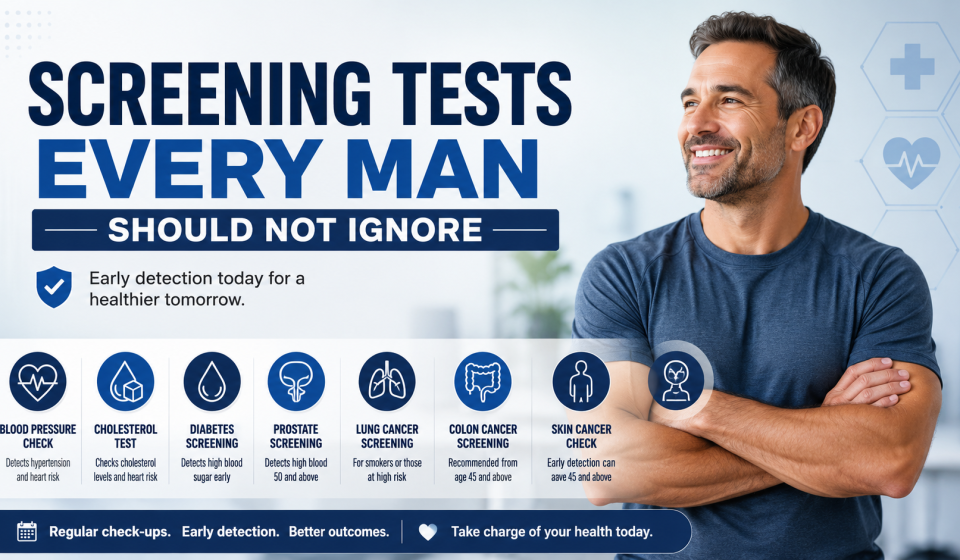
- Colon cancer: Around age 45
- Prostate screening: Around age 50 or earlier for high-risk individuals
Consulting a healthcare provider helps create a personalized screening schedule.
Conclusion
Regular health screenings are one of the most valuable investments a man can make in his long-term well-being. Many serious conditions, including heart disease, diabetes, cancer, and high blood pressure, can develop silently without noticeable symptoms. Early detection through routine screenings allows for timely treatment, improved outcomes, and a better quality of life. Instead of waiting for health problems to appear, men should take a proactive approach by scheduling recommended screenings and maintaining healthy lifestyle habits. Prevention and early diagnosis remain the foundation of lifelong health.
Frequently Asked Questions (FAQs)
1. How often should men get a general health checkup?
Most adults should have a general health checkup annually, although frequency may vary depending on age, health conditions, and risk factors.
2. At what age should men begin prostate cancer screening?
Many men begin discussing prostate cancer screening with their doctor around age 50, while high-risk individuals may start earlier.
3. Is colon cancer screening necessary if there are no symptoms?
Yes. Colon cancer often develops without symptoms in its early stages, making routine screening extremely important.
4. Can healthy men skip routine screening tests?
No. Even healthy individuals can develop silent conditions such as hypertension, high cholesterol, or diabetes without noticeable symptoms.
5. What is the most important screening test for men?
There is no single most important test. Blood pressure, cholesterol, diabetes, cancer screenings, and routine health examinations all play vital roles in preventive healthcare.