Healthy Eating Habits for a Stronger Immune System: How Proper Nutrition Helps Prevent Chronic Diseases and Improve Long-Term Health

Developing healthy eating habits can improve physical health, boost energy levels, support mental well-being, and enhance quality of life at every age.
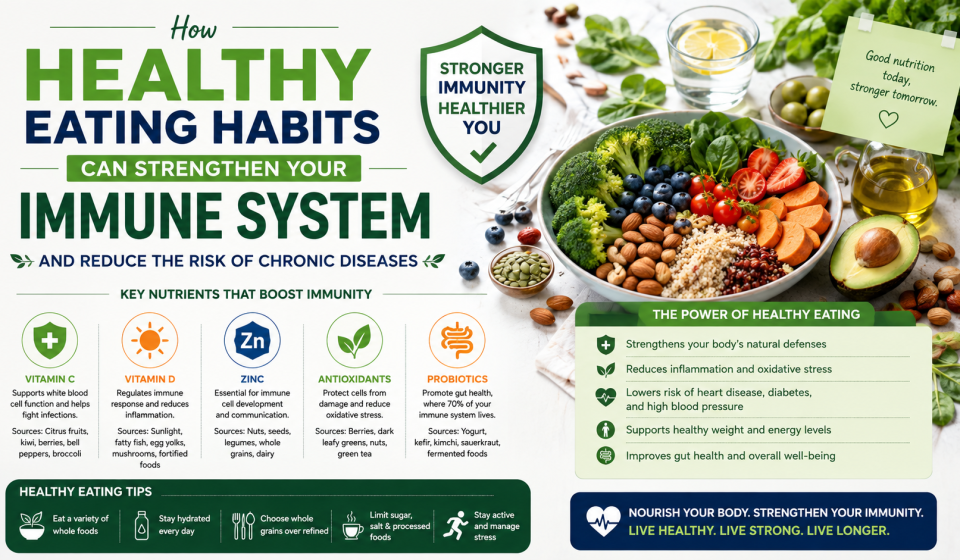
Healthy eating habits are among the most powerful tools for maintaining overall health, strengthening the immune system, and reducing the risk of chronic diseases. Every food choice influences how the body functions, repairs itself, and defends against illness. A balanced and nutrient-rich diet provides essential vitamins, minerals, antioxidants, protein, healthy fats, and fiber that support immune function and protect against conditions such as heart disease, diabetes, obesity, hypertension, and certain cancers. In today’s fast-paced world, where processed foods and unhealthy eating patterns have become increasingly common, understanding the importance of proper nutrition is more critical than ever.The immune system serves as the body’s natural defense mechanism against infections, viruses, bacteria, and harmful substances. To function effectively, it requires a consistent supply of nutrients from a healthy diet. Poor nutrition can weaken immune responses, making individuals more vulnerable to illnesses and slowing recovery times. At the same time, unhealthy dietary habits contribute to inflammation, obesity, and metabolic disorders that increase the likelihood of developing chronic diseases. By focusing on nutritious foods and sustainable eating patterns, individuals can build a stronger immune system, promote healthy aging, and significantly reduce long-term health risks.
Understanding the Connection Between Nutrition and Immunity
The immune system depends on a variety of nutrients to perform its protective functions. White blood cells, antibodies, and other immune components require vitamins, minerals, amino acids, and healthy fats to identify and fight harmful pathogens.
When the body lacks essential nutrients, immune responses may become less effective. Nutrient deficiencies can impair the production of immune cells, weaken protective barriers, and increase susceptibility to infections.
A healthy diet helps:
- Support immune cell function
- Reduce inflammation
- Promote tissue repair
- Improve gut health
- Enhance recovery from illness
- Protect against oxidative stress
Consistently consuming nutrient-rich foods provides the foundation for a resilient immune system.
Why Healthy Eating Habits Matter
Healthy eating is not about strict dieting or temporary restrictions. Instead, it involves making consistent choices that provide the body with the nutrients it needs to thrive.
Benefits of healthy eating habits include:
- Stronger immune function
- Better weight management
- Reduced disease risk
- Improved digestion
- Enhanced mental health
- Increased energy levels
- Better heart health
- Improved blood sugar control
- Longer life expectancy
These benefits accumulate over time and contribute to overall wellness.
Essential Nutrients for a Strong Immune System
Vitamin C
Vitamin C is one of the most well-known immune-supporting nutrients.
Benefits include:
- Supporting white blood cell production
- Protecting cells from oxidative damage
- Promoting wound healing
- Enhancing immune responses
Good sources include:
- Oranges
- Lemons
- Grapefruits
- Strawberries
- Bell peppers
- Broccoli
- Kiwi
Vitamin D
Vitamin D plays a critical role in regulating immune function.
Low vitamin D levels have been associated with increased susceptibility to infections.
Sources include:
- Sunlight exposure
- Fatty fish
- Egg yolks
- Fortified dairy products
- Fortified cereals
Zinc
Zinc supports the development and function of immune cells.
Benefits include:
- Improved wound healing
- Enhanced immune response
- Reduced inflammation
Food sources include:
- Lean meat
- Poultry
- Seafood
- Beans
- Nuts
- Seeds
Vitamin A
Vitamin A helps maintain healthy skin and mucous membranes, which serve as important barriers against infection.
Sources include:
- Carrots
- Sweet potatoes
- Spinach
- Kale
- Pumpkin
Vitamin E
Vitamin E acts as an antioxidant that protects immune cells from damage.
Sources include:
- Almonds
- Sunflower seeds
- Avocados
- Spinach
Selenium
Selenium contributes to immune defense and antioxidant protection.
Sources include:
- Brazil nuts
- Fish
- Eggs
- Whole grains
The Role of Protein in Immune Health
Protein provides the amino acids needed to build and repair tissues, enzymes, hormones, and immune cells.
Healthy protein sources include:
- Lean meats
- Fish
- Eggs
- Dairy products
- Beans
- Lentils
- Tofu
- Nuts
Adequate protein intake supports the production of antibodies and strengthens the body’s defense systems.
Gut Health and Immunity
A significant portion of the immune system is closely linked to the digestive tract.
The gut contains trillions of microorganisms that influence immune responses and overall health.
Maintaining a healthy gut microbiome helps:
- Strengthen immunity
- Reduce inflammation
- Improve nutrient absorption
- Support digestive health
Probiotic Foods
Probiotics contain beneficial bacteria that support gut health.
Examples include:
- Yogurt
- Kefir
- Kimchi
- Sauerkraut
- Miso
Prebiotic Foods
Prebiotics feed beneficial gut bacteria.
Sources include:
- Garlic
- Onions
- Bananas
- Asparagus
- Oats
Combining probiotics and prebiotics helps maintain a balanced gut environment.
Antioxidants and Disease Prevention
Antioxidants protect cells from damage caused by free radicals.
Excessive oxidative stress has been linked to:
- Heart disease
- Cancer
- Diabetes
- Neurodegenerative disorders
Antioxidant-rich foods include:
- Berries
- Dark leafy greens
- Tomatoes
- Nuts
- Green tea
- Dark chocolate
A colorful variety of fruits and vegetables provides a wide range of protective antioxidants.
How Healthy Eating Reduces Chronic Disease Risk
Heart Disease Prevention
Heart disease remains one of the leading causes of death worldwide.
Healthy eating supports cardiovascular health by:
- Lowering cholesterol levels
- Reducing blood pressure
- Improving blood vessel function
- Reducing inflammation
Heart-healthy foods include:
- Fruits
- Vegetables
- Whole grains
- Fatty fish
- Nuts
- Olive oil
Type 2 Diabetes Prevention
Balanced nutrition helps regulate blood sugar levels and improve insulin sensitivity.
Strategies include:
- Limiting refined sugars
- Choosing whole grains
- Eating high-fiber foods
- Controlling portion sizes
Obesity Prevention
Obesity significantly increases the risk of many chronic diseases.
Healthy eating habits promote:
- Weight management
- Improved metabolism
- Better appetite regulation
Cancer Risk Reduction
While no diet can completely prevent cancer, healthy eating patterns may reduce risk.
Protective dietary habits include:
- Consuming fruits and vegetables regularly
- Limiting processed meats
- Reducing excessive alcohol consumption
- Maintaining a healthy weight
Hypertension Prevention
A diet rich in potassium, magnesium, and fiber can help maintain healthy blood pressure levels.
Foods that support blood pressure control include:
- Bananas
- Leafy greens
- Beans
- Whole grains
- Low-fat dairy products
Importance of Hydration
Water is essential for nearly every bodily function.
Proper hydration helps:
- Transport nutrients
- Regulate temperature
- Support digestion
- Remove waste products
- Maintain healthy immune responses
Most adults benefit from drinking adequate water throughout the day.
Limiting Harmful Foods
Certain foods may weaken immunity and increase chronic disease risk when consumed excessively.
Added Sugars
Excessive sugar intake contributes to:
- Obesity
- Diabetes
- Inflammation
Processed Foods
Highly processed foods often contain:
- Excess sodium
- Unhealthy fats
- Artificial additives
Trans Fats
Trans fats increase cardiovascular disease risk and should be minimized whenever possible.
Healthy Eating Habits for Different Life Stages
Children
Healthy eating supports:
- Growth
- Brain development
- Immune function
Children should consume a variety of nutrient-rich foods daily.
Adults
Adults benefit from:
- Balanced nutrition
- Weight management
- Disease prevention
Seniors
Older adults often require:
- Higher nutrient density
- Adequate protein intake
- Bone-supporting nutrients
Proper nutrition supports healthy aging and independence.
Building Sustainable Healthy Eating Habits
Long-term success comes from consistency rather than perfection.
Practical strategies include:
- Planning meals ahead
- Cooking more at home
- Reading food labels
- Eating mindfully
- Including vegetables in every meal
- Choosing whole foods more often
- Practicing portion control
Small improvements made consistently can produce significant health benefits over time.
Combining Nutrition with Other Healthy Lifestyle Practices
Healthy eating works best when combined with:
- Regular physical activity
- Quality sleep
- Stress management
- Avoiding tobacco products
- Limiting alcohol consumption
- Routine medical checkups
These habits work together to support immunity and reduce disease risk.
Source Links
- World Health Organization (WHO) – Healthy Diet Guidelines
- Centers for Disease Control and Prevention (CDC) – Nutrition and Health
- National Institutes of Health (NIH) – Nutrition Research Resources
- Harvard T.H. Chan School of Public Health – Nutrition Source
- MedlinePlus – Healthy Eating Information
Conclusion
Healthy eating habits are a cornerstone of lifelong wellness, providing the nutrients necessary for a strong immune system and reducing the risk of chronic diseases. A balanced diet rich in fruits, vegetables, whole grains, lean proteins, healthy fats, vitamins, minerals, and antioxidants supports immune defenses, promotes healthy weight management, and protects against conditions such as heart disease, diabetes, hypertension, and certain cancers. By making informed food choices, staying hydrated, limiting processed foods, and maintaining consistent healthy habits, individuals can significantly improve their physical and mental well-being. Combined with regular exercise, adequate sleep, stress management, and preventive healthcare, proper nutrition remains one of the most effective strategies for achieving long-term health and vitality.
FAQ
1.How does healthy eating strengthen the immune system?
Healthy eating provides essential nutrients that support immune cell production, reduce inflammation, and help the body fight infections effectively.
2.Which vitamins are most important for immunity?
Vitamin C, Vitamin D, Vitamin A, Vitamin E, and minerals such as zinc and selenium play important roles in immune function.
3.Can diet reduce the risk of chronic diseases?
Yes. A balanced diet can lower the risk of heart disease, diabetes, obesity, hypertension, and certain cancers.
4.What foods are best for immune health?
Fruits, vegetables, lean proteins, whole grains, nuts, seeds, and probiotic-rich foods support strong immunity.
5.Why is gut health important for the immune system?
A large portion of the immune system is connected to the gut, and healthy gut bacteria help regulate immune responses.
6.How much water should I drink daily?
Hydration needs vary, but most adults benefit from drinking sufficient water throughout the day to support overall health.
7.Are processed foods harmful to immunity?
Excessive consumption of processed foods may increase inflammation and contribute to chronic disease risk.
8.Can healthy eating help prevent diabetes?
Yes. Choosing high-fiber foods, limiting added sugars, and maintaining a healthy weight can help reduce diabetes risk.
9.What role does protein play in immunity?
Protein provides amino acids needed to build immune cells, antibodies, and tissues involved in defense and recovery.
10.Is healthy eating alone enough to prevent disease?
Healthy eating is highly important, but combining it with exercise, quality sleep, stress management, and routine healthcare offers the greatest protection.