Complete Guide to Women’s Preventive Healthcare: Essential Screenings, Wellness Tips, and Disease Prevention for Every Stage of Life

From adolescence and reproductive years to pregnancy, menopause, and healthy aging, women experience unique healthcare needs that require specialized attention.
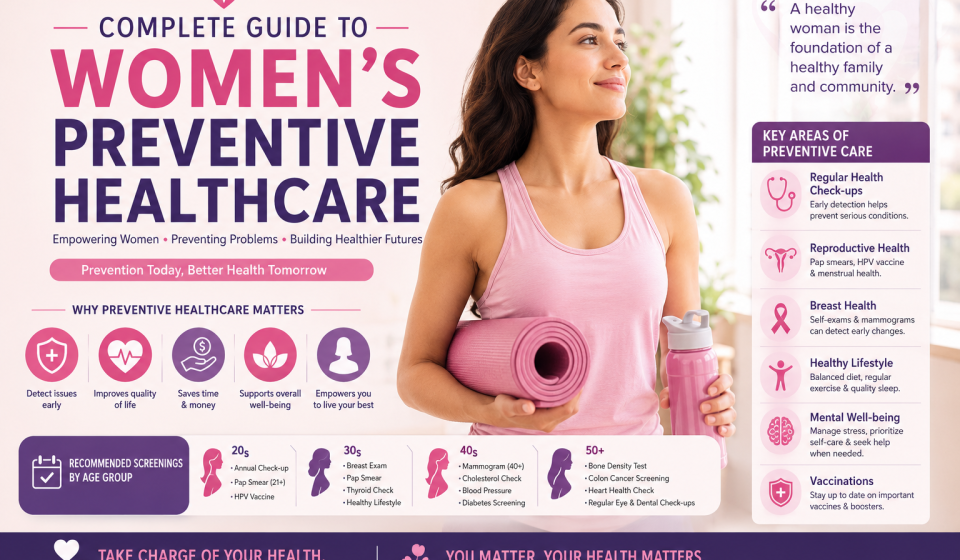
Women’s preventive healthcare plays a vital role in maintaining long-term health, preventing diseases, and improving overall quality of life. Preventive healthcare focuses on identifying potential health risks before they develop into serious medical conditions. Through routine health screenings, vaccinations, healthy lifestyle choices, and regular medical checkups, women can significantly reduce their risk of chronic diseases and detect health problems at an early stage when treatment is often more effective. Preventive care empowers women to take control of their health and make informed decisions that support physical, mental, and emotional well-being throughout every phase of life. Hormonal changes, reproductive health concerns, bone health, cardiovascular risks, and cancer screenings are just some of the important aspects of women’s preventive healthcare. Regular monitoring and early intervention can help prevent complications and promote a healthier future. This comprehensive guide explores the essential components of preventive healthcare for women, including screenings, lifestyle habits, vaccinations, and wellness strategies that contribute to lifelong health and disease prevention.
What Is Preventive Healthcare?
Preventive healthcare involves medical services and healthy lifestyle practices designed to prevent illness and detect health conditions early.
Its goals include:
- Disease prevention
- Early diagnosis
- Health promotion
- Risk reduction
Preventive care helps individuals maintain optimal health throughout life.
Why Preventive Healthcare Is Important for Women
Women face unique health challenges throughout different life stages.
Preventive healthcare helps:
- Detect diseases early
- Improve treatment outcomes
- Support reproductive health
- Promote healthy aging
Regular healthcare visits are essential for long-term wellness.
Understanding Women’s Health Needs
Women’s health requirements evolve with age.
Important areas include:
- Reproductive health
- Cardiovascular health
- Bone health
- Hormonal health
- Mental well-being
Healthcare strategies should be tailored to individual needs.
Routine Medical Checkups
Regular medical examinations form the foundation of preventive healthcare.
Benefits include:
- Health monitoring
- Early disease detection
- Risk assessment
- Personalized medical guidance
Routine evaluations help identify concerns before symptoms appear.
Blood Pressure Screening
High blood pressure often develops without noticeable symptoms.
Regular monitoring helps:
- Detect hypertension
- Reduce cardiovascular risk
- Prevent complications
Blood pressure checks are an important preventive measure.
Cholesterol Screening
Cholesterol testing helps assess cardiovascular health.
It measures:
- Total cholesterol
- LDL cholesterol
- HDL cholesterol
- Triglycerides
Healthy cholesterol levels support heart health.
Blood Sugar Testing
Blood sugar screening helps identify:
- Prediabetes
- Diabetes
- Metabolic abnormalities
Early detection supports effective management and prevention.
Importance of Cardiovascular Health
Heart disease is a major health concern for women.
Preventive measures include:
- Healthy eating
- Physical activity
- Blood pressure monitoring
- Cholesterol control
Cardiovascular wellness should remain a priority at every age.
Breast Health Awareness
Breast health is an important component of preventive care.
Women should remain aware of:
- Changes in breast appearance
- Unusual lumps
- Skin changes
Prompt evaluation supports early diagnosis.
Breast Cancer Screening
Breast cancer screening helps detect abnormalities before symptoms develop.
Regular screening can improve:
- Early detection
- Treatment success
- Survival outcomes
Screening recommendations vary according to age and risk factors.
Cervical Health and Screening
Cervical screening plays a critical role in women’s healthcare.
Routine screening can help identify:
- Abnormal cellular changes
- Early signs of cervical disease
Early detection improves outcomes.
Reproductive Health Evaluations
Reproductive health assessments may include:
- Menstrual health discussions
- Family planning guidance
- Fertility evaluations
Regular consultations support reproductive wellness.
Sexual Health Awareness
Sexual health is an important aspect of overall well-being.
Preventive care may include:
- Health education
- Routine examinations
- Risk assessment
Open communication with healthcare providers is beneficial.
Pregnancy and Preventive Care
Preventive healthcare is especially important during pregnancy.
Key components include:
- Prenatal checkups
- Nutritional guidance
- Monitoring maternal health
Regular care supports healthy outcomes for both mother and baby.
Vaccinations for Women
Vaccinations help protect against preventable diseases.
Benefits include:
- Reduced infection risk
- Community protection
- Long-term health support
Healthcare providers can recommend appropriate immunizations.
Bone Health and Osteoporosis Prevention
Women face an increased risk of bone loss as they age.
Healthy bones require:
- Adequate nutrition
- Physical activity
- Regular assessments
Bone health supports mobility and independence.
Bone Density Testing
Bone density evaluations help assess fracture risk.
Testing may identify:
- Osteopenia
- Osteoporosis
Early intervention supports stronger bones.
Nutrition and Women’s Health
A balanced diet is essential for preventive healthcare.
Important nutrients include:
- Protein
- Calcium
- Iron
- Vitamins
- Healthy fats
Proper nutrition supports overall wellness.
Importance of Iron
Iron plays a crucial role in:
- Oxygen transport
- Energy production
- Red blood cell formation
Adequate intake helps prevent deficiency.
Calcium and Bone Strength
Calcium supports:
- Bone health
- Muscle function
- Nerve function
Healthy calcium intake contributes to lifelong skeletal health.
Physical Activity and Wellness
Regular exercise offers numerous health benefits.
These include:
- Weight management
- Heart health
- Improved mood
- Better bone strength
Consistent activity supports long-term health.
Maintaining a Healthy Weight
Healthy weight management helps reduce the risk of:
- Diabetes
- Heart disease
- Joint problems
Balanced lifestyle habits support healthy body weight.
Mental Health and Emotional Well-Being
Mental wellness is an essential part of preventive healthcare.
Important areas include:
- Stress management
- Emotional resilience
- Mental health awareness
Seeking support when needed promotes well-being.
Managing Stress
Chronic stress may negatively affect physical and mental health.
Helpful strategies include:
- Meditation
- Yoga
- Deep breathing
- Relaxation techniques
Stress reduction supports overall wellness.
Sleep and Women’s Health
Quality sleep contributes to:
- Hormonal balance
- Immune function
- Mental health
- Physical recovery
Healthy sleep habits are important throughout life.
Thyroid Health
Thyroid disorders are relatively common among women.
Monitoring thyroid function may help identify:
- Hypothyroidism
- Hyperthyroidism
Early diagnosis supports effective treatment.
Skin Health and Preventive Care
Healthy skin practices include:
- Sun protection
- Hydration
- Routine skin evaluations
Preventive care helps reduce skin-related complications.
Digestive Health
Digestive wellness supports:
- Nutrient absorption
- Immune health
- Overall comfort
Healthy eating habits contribute to digestive function.
Menopause and Preventive Healthcare
Menopause introduces significant hormonal changes.
Preventive strategies may focus on:
- Bone health
- Heart health
- Weight management
Regular medical care supports healthy aging.
Healthy Aging for Women
Healthy aging involves maintaining:
- Physical activity
- Mental wellness
- Social engagement
- Preventive healthcare
Positive habits contribute to quality of life.
Importance of Family Medical History
Family history provides valuable information about health risks.
Conditions influenced by genetics may include:
- Heart disease
- Diabetes
- Certain cancers
Understanding risk factors supports preventive planning.
Regular Health Screenings
Routine screenings may help identify:
- Chronic diseases
- Cancer risks
- Metabolic disorders
Early detection improves treatment outcomes.
Building a Personalized Preventive Health Plan
Every woman has unique healthcare needs.
A preventive plan should consider:
- Age
- Medical history
- Lifestyle
- Risk factors
Personalized care supports optimal health.
Source Links
https://www.who.int
https://www.cdc.gov/womenshealth
https://www.nih.gov
https://www.acog.org
https://www.ncbi.nlm.nih.gov
Conclusion
Preventive healthcare is one of the most effective ways for women to protect their health, prevent disease, and maintain a high quality of life throughout every stage of life. Through routine medical checkups, health screenings, vaccinations, healthy nutrition, regular physical activity, stress management, and awareness of personal risk factors, women can significantly reduce the likelihood of serious health complications. Preventive care promotes early diagnosis, supports healthy aging, and empowers women to make informed decisions about their well-being. By prioritizing preventive healthcare and maintaining healthy lifestyle habits, women can build a strong foundation for lifelong health, wellness, and vitality.
FAQ
1- What is preventive healthcare for women?
Preventive healthcare includes screenings, vaccinations, routine checkups, and healthy lifestyle practices aimed at preventing disease and detecting health issues early.
2- Why is preventive healthcare important for women?
It helps identify health risks early, improves treatment outcomes, and supports long-term wellness.
3- How often should women have health checkups?
The frequency depends on age, medical history, and risk factors, but regular medical evaluations are recommended.
4- What screenings are important for women?
Important screenings may include blood pressure checks, cholesterol testing, blood sugar testing, breast health evaluations, and cervical screening.
5- Why is cardiovascular health important for women?
Heart disease is a leading health concern, and preventive measures help reduce risk.
6- How does exercise support women’s health?
Physical activity improves heart health, bone strength, weight management, and mental well-being.
7- Why is bone health important for women?
Women are at increased risk of osteoporosis, especially after menopause.
8- Can preventive healthcare help detect cancer early?
Yes, routine screenings can identify abnormalities before symptoms develop, improving treatment outcomes.
9- How does nutrition support preventive healthcare?
A balanced diet provides essential nutrients that support overall health and disease prevention.
10- What role does mental health play in preventive healthcare?
Mental wellness contributes significantly to overall health, quality of life, and long-term well-being.