Understanding Thyroid Disorders: Symptoms, Causes, Diagnosis, and Treatment for Better Health

This comprehensive guide explains thyroid disorders, their causes, symptoms, diagnosis, treatment options, and lifestyle strategies for managing thyroid health effectively.
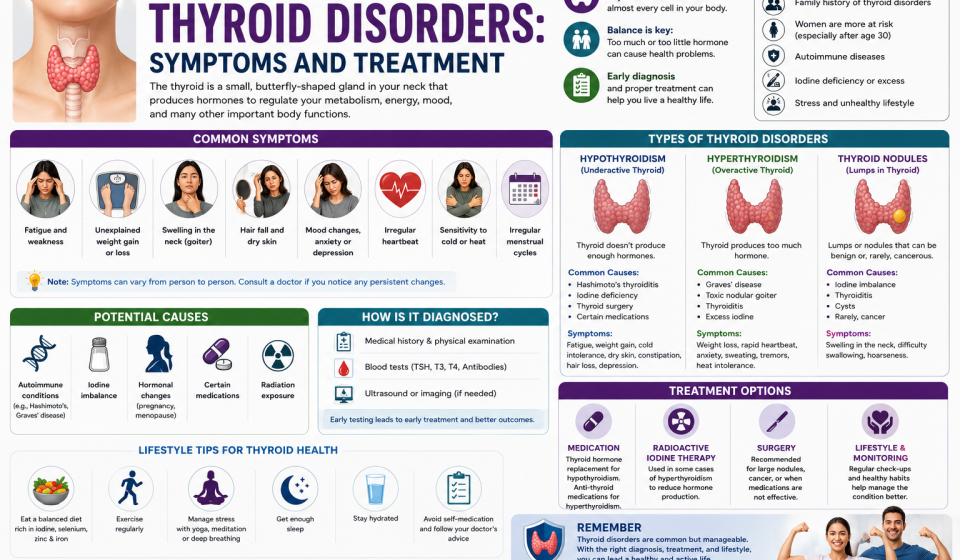
The thyroid gland is a small butterfly-shaped gland located at the front of the neck, but despite its size, it plays a crucial role in regulating many important functions throughout the body. The thyroid produces hormones that control metabolism, energy production, body temperature, heart rate, digestion, and growth. When the thyroid gland does not function properly, it can affect nearly every organ system and significantly impact a person’s quality of life. Thyroid disorders are among the most common endocrine conditions worldwide, affecting millions of people of all ages.
Many thyroid disorders develop gradually, making symptoms easy to overlook or mistake for other health problems. Fatigue, weight changes, mood disturbances, hair loss, and difficulty concentrating are just a few examples of symptoms that may be linked to thyroid dysfunction. Early diagnosis and proper treatment are essential for preventing complications and maintaining overall health.
What Is the Thyroid Gland?
The thyroid gland is part of the endocrine system and produces hormones that regulate the body’s metabolism.
The primary thyroid hormones include:
- Thyroxine (T4)
- Triiodothyronine (T3)
These hormones influence:
- Energy production
- Heart rate
- Body temperature
- Digestion
- Brain function
- Muscle activity
Proper thyroid function is essential for overall health and well-being.
What Are Thyroid Disorders?
Thyroid disorders occur when the thyroid gland produces too much or too little hormone or develops structural abnormalities.
Common thyroid disorders include:
- Hypothyroidism
- Hyperthyroidism
- Goiter
- Thyroid nodules
- Thyroiditis
- Thyroid cancer
Each condition affects the body differently and may require specific treatment approaches.
Importance of Thyroid Hormones
Thyroid hormones help regulate numerous bodily processes.
Their functions include:
- Controlling metabolism
- Supporting growth and development
- Regulating heart function
- Maintaining body temperature
- Supporting brain health
Imbalances can significantly affect physical and mental health.
Hypothyroidism: Underactive Thyroid
Hypothyroidism occurs when the thyroid gland does not produce enough hormones.
Common Causes
- Autoimmune thyroid disease
- Thyroid surgery
- Radiation therapy
- Certain medications
- Iodine deficiency
Symptoms of Hypothyroidism
- Fatigue
- Weight gain
- Cold sensitivity
- Dry skin
- Hair thinning
- Depression
- Constipation
- Slow heart rate
- Memory difficulties
Symptoms often develop gradually over time.
Hyperthyroidism: Overactive Thyroid
Hyperthyroidism occurs when the thyroid gland produces excessive amounts of thyroid hormones.
Common Causes
- Graves’ disease
- Thyroid nodules
- Thyroid inflammation
- Excess iodine intake
Symptoms of Hyperthyroidism
- Unexplained weight loss
- Rapid heartbeat
- Anxiety
- Irritability
- Tremors
- Increased sweating
- Heat intolerance
- Frequent bowel movements
- Difficulty sleeping
Early diagnosis helps prevent complications.
What Is a Goiter?
A goiter is an enlargement of the thyroid gland.
Possible Causes
- Iodine deficiency
- Autoimmune disease
- Thyroid nodules
- Hormonal imbalances
Symptoms
- Neck swelling
- Difficulty swallowing
- Hoarseness
- Breathing discomfort in severe cases
Treatment depends on the underlying cause.
Thyroid Nodules
Thyroid nodules are lumps that form within the thyroid gland.
Most nodules are benign, but evaluation is important.
Symptoms
Many nodules cause no symptoms.
Larger nodules may lead to:
- Neck swelling
- Difficulty swallowing
- Voice changes
Medical evaluation helps determine appropriate management.
Thyroiditis
Thyroiditis refers to inflammation of the thyroid gland.
Causes
- Autoimmune conditions
- Viral infections
- Postpartum changes
- Certain medications
Symptoms may vary depending on the stage of inflammation.
Thyroid Cancer
Although less common than other thyroid disorders, thyroid cancer can occur.
Possible Symptoms
- Thyroid lump
- Neck swelling
- Voice changes
- Difficulty swallowing
Early diagnosis often leads to excellent treatment outcomes.
Risk Factors for Thyroid Disorders
Several factors increase the risk of thyroid disease.
Common risk factors include:
- Family history
- Female gender
- Autoimmune disease
- Age
- Iodine imbalance
- Previous thyroid treatment
Understanding risk factors supports early detection.
How Thyroid Disorders Affect Metabolism
Thyroid hormones regulate metabolic activity.
In Hypothyroidism
Metabolism slows down, potentially causing:
- Weight gain
- Fatigue
- Reduced energy
In Hyperthyroidism
Metabolism accelerates, potentially causing:
- Weight loss
- Increased appetite
- Excess energy expenditure
Metabolic changes significantly influence daily functioning.
Impact on Cardiovascular Health
Thyroid disorders can affect the heart and circulation.
Possible effects include:
- High heart rate
- Irregular heartbeat
- Elevated blood pressure
- Changes in cholesterol levels
Proper thyroid management supports cardiovascular health.
Effects on Mental Health
Thyroid dysfunction can influence emotional well-being.
Possible Symptoms
- Anxiety
- Depression
- Mood changes
- Difficulty concentrating
- Memory problems
Treatment often improves psychological symptoms.
Thyroid Disorders and Weight Changes
Weight fluctuations are common in thyroid disease.
Hypothyroidism
Often associated with:
- Weight gain
- Fluid retention
Hyperthyroidism
May result in:
- Weight loss
- Increased calorie expenditure
Addressing the thyroid imbalance helps support healthy weight management.
Thyroid Disease and Reproductive Health
Thyroid hormones influence reproductive function.
Potential effects include:
- Menstrual irregularities
- Fertility challenges
- Pregnancy complications
Proper thyroid management is important for reproductive health.
Diagnosing Thyroid Disorders
Healthcare providers use several methods to evaluate thyroid function.
Common diagnostic tools include:
- Medical history
- Physical examination
- Blood tests
- Imaging studies
- Ultrasound evaluation
Accurate diagnosis guides treatment decisions.
Thyroid Blood Tests
Blood tests are essential for diagnosing thyroid disorders.
Common tests include:
- TSH (Thyroid Stimulating Hormone)
- Free T4
- Free T3
- Thyroid antibody tests
These tests provide valuable information about thyroid function.
Thyroid Ultrasound
Ultrasound imaging helps evaluate:
- Thyroid size
- Nodules
- Structural abnormalities
It is a safe and commonly used diagnostic tool.
Treatment for Hypothyroidism
Hypothyroidism is typically managed through thyroid hormone replacement therapy.
Treatment goals include:
- Restoring normal hormone levels
- Relieving symptoms
- Supporting overall health
Regular monitoring is important for maintaining appropriate hormone levels.
Treatment for Hyperthyroidism
Treatment options may include:
- Anti-thyroid medications
- Radioactive iodine therapy
- Surgical treatment in some cases
Management depends on the underlying cause and individual health needs.
Managing Thyroid Nodules
Treatment varies depending on:
- Nodule size
- Symptoms
- Risk assessment
Options may include monitoring, biopsy, or surgical evaluation.
Nutrition and Thyroid Health
Proper nutrition supports overall thyroid function.
Important nutrients include:
- Iodine
- Selenium
- Zinc
- Iron
Balanced nutrition contributes to overall wellness.
Importance of Iodine
Iodine is essential for thyroid hormone production.
Dietary sources include:
- Seafood
- Dairy products
- Iodized salt
Both deficiency and excess iodine can affect thyroid health.
Selenium and Thyroid Function
Selenium supports thyroid hormone metabolism and antioxidant protection.
Sources include:
- Fish
- Eggs
- Whole grains
- Nuts
Adequate intake supports healthy thyroid activity.
Lifestyle Tips for Thyroid Health
Healthy lifestyle habits may support treatment outcomes.
Recommendations include:
- Balanced nutrition
- Regular exercise
- Stress management
- Adequate sleep
- Routine medical follow-up
These habits contribute to overall well-being.
Importance of Regular Monitoring
Ongoing monitoring helps ensure treatment effectiveness.
Benefits include:
- Symptom management
- Hormone balance
- Early identification of changes
Regular follow-up appointments are important for long-term care.
Living Well with a Thyroid Disorder
Most individuals with thyroid disorders can lead healthy and active lives with proper management.
Successful care often includes:
- Medical treatment
- Lifestyle modifications
- Regular monitoring
Early diagnosis and adherence to treatment significantly improve outcomes.
Source Links
https://www.niddk.nih.gov
https://www.nih.gov
https://www.who.int
https://www.ncbi.nlm.nih.gov
Conclusion
Thyroid disorders are common medical conditions that can affect metabolism, energy levels, cardiovascular health, mental well-being, and overall quality of life. Conditions such as hypothyroidism, hyperthyroidism, goiter, thyroid nodules, thyroiditis, and thyroid cancer require proper diagnosis and individualized management. Recognizing symptoms early, seeking medical evaluation, and following recommended treatment plans can help prevent complications and improve long-term health outcomes. With appropriate medical care, healthy lifestyle habits, and regular monitoring, most people with thyroid disorders can successfully manage their condition and maintain a healthy, active lifestyle.
FAQ
1- What is the thyroid gland?
The thyroid gland is a butterfly-shaped endocrine gland located in the neck that produces hormones regulating metabolism and many body functions.
2- What are the most common thyroid disorders?
Common thyroid disorders include hypothyroidism, hyperthyroidism, goiter, thyroid nodules, thyroiditis, and thyroid cancer.
3- What are symptoms of hypothyroidism?
Symptoms may include fatigue, weight gain, cold sensitivity, dry skin, constipation, and depression.
4- What are symptoms of hyperthyroidism?
Symptoms may include weight loss, rapid heartbeat, anxiety, tremors, sweating, and sleep difficulties.
5- How are thyroid disorders diagnosed?
Diagnosis typically involves blood tests, physical examinations, thyroid ultrasounds, and other medical evaluations.
6- Can thyroid disorders affect weight?
Yes, thyroid hormone imbalances can contribute to weight gain or weight loss depending on the condition.
7- What causes thyroid disease?
Causes may include autoimmune disorders, genetics, iodine imbalance, inflammation, and certain medical treatments.
8- Is thyroid disease treatable?
Yes, most thyroid disorders can be effectively managed with medication, monitoring, and other treatments when necessary.
9- Why is iodine important for thyroid health?
Iodine is required for thyroid hormone production and normal thyroid function.
10- Can people with thyroid disorders live normal lives?
Yes, with proper diagnosis, treatment, and regular monitoring, most individuals can lead healthy and active lives.