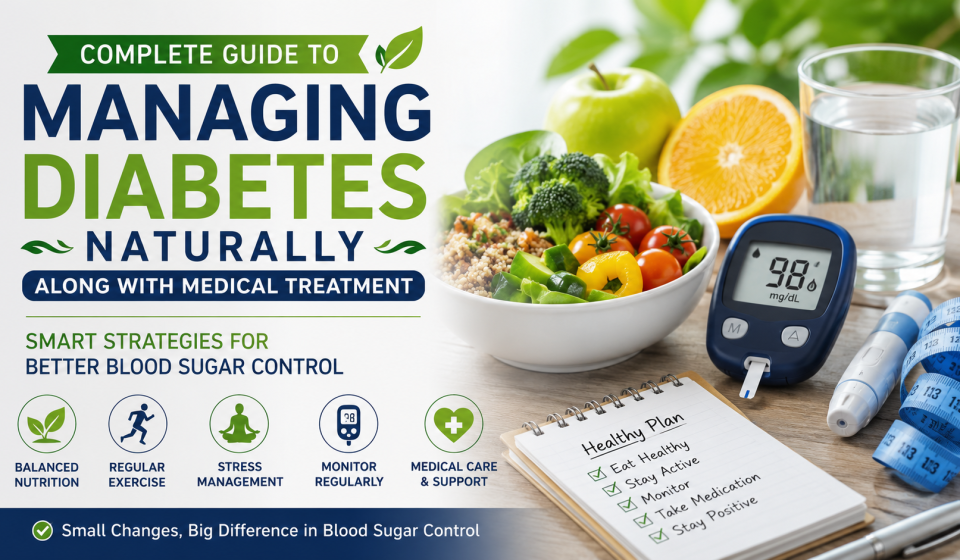
Complete Guide to Managing Diabetes Naturally Along with Medical Treatment: Smart Strategies for Better Blood Sugar Control

Managing diabetes successfully requires a combination of medical care, healthy habits, regular monitoring, and informed decision-making.
Diabetes is one of the most common chronic health conditions affecting millions of people worldwide. It occurs when the body cannot properly regulate blood sugar levels due to insufficient insulin production, insulin resistance, or both. If left unmanaged, diabetes can increase the risk of serious complications, including heart disease, kidney disease, nerve damage, vision problems, and other long-term health concerns. While medical treatment remains the foundation of diabetes management, lifestyle choices also play a significant role in maintaining healthy blood sugar levels and improving overall well-being. Natural strategies such as balanced nutrition, physical activity, stress management, quality sleep, and weight control can work alongside prescribed treatments to support better glucose control. By adopting a comprehensive approach that integrates medical guidance with healthy lifestyle practices, individuals living with diabetes can reduce complications, improve quality of life, and achieve better long-term health outcomes.
Understanding Diabetes
Diabetes is a metabolic disorder that affects the body’s ability to process glucose effectively.
Glucose serves as the body’s primary energy source. Insulin, a hormone produced by the pancreas, helps move glucose from the bloodstream into cells where it can be used for energy.
When insulin production or function becomes impaired, blood sugar levels rise, leading to diabetes.
Types of Diabetes
Type 1 Diabetes
Type 1 diabetes occurs when the immune system mistakenly attacks insulin-producing cells in the pancreas.
Individuals with Type 1 diabetes require insulin therapy throughout life.
Type 2 Diabetes
Type 2 diabetes is the most common form of diabetes.
It develops when the body becomes resistant to insulin or cannot produce enough insulin to maintain normal blood sugar levels.
Gestational Diabetes
Gestational diabetes occurs during pregnancy and usually resolves after childbirth.
However, it may increase the risk of developing Type 2 diabetes later in life.
Why Medical Treatment Is Essential
Medical treatment remains the cornerstone of diabetes management.
Healthcare providers may recommend:
- Blood sugar monitoring
- Oral medications
- Insulin therapy
- Routine health screenings
- Personalized treatment plans
Natural approaches should complement medical treatment rather than replace it.
Patients should always follow their healthcare provider’s recommendations.
The Importance of Blood Sugar Monitoring
Regular blood glucose monitoring helps individuals understand how food, exercise, medications, and lifestyle factors affect their blood sugar levels.
Benefits include:
- Improved glucose control
- Early detection of abnormalities
- Better treatment adjustments
- Reduced complication risks
Consistent monitoring provides valuable information for long-term diabetes management.
Healthy Eating for Diabetes Management
Nutrition plays a critical role in controlling blood sugar levels.
A diabetes-friendly eating plan focuses on balanced meals that provide essential nutrients while minimizing blood sugar spikes.
Key principles include:
- Choosing nutrient-dense foods
- Controlling portion sizes
- Limiting added sugars
- Eating regularly
- Balancing carbohydrates with protein and healthy fats
Healthy eating supports both glucose control and overall health.
Focus on High-Fiber Foods
Fiber slows digestion and helps stabilize blood sugar levels.
Excellent sources of fiber include:
- Vegetables
- Fruits
- Legumes
- Whole grains
- Nuts
- Seeds
Increasing fiber intake may improve insulin sensitivity and support digestive health.
Choosing Healthy Carbohydrates
Not all carbohydrates affect blood sugar in the same way.
Better carbohydrate choices include:
- Brown rice
- Oats
- Quinoa
- Whole wheat products
- Sweet potatoes
Refined carbohydrates and sugary foods may contribute to rapid glucose fluctuations.
The Role of Protein
Protein helps support muscle maintenance and promotes satiety.
Healthy protein options include:
- Fish
- Poultry
- Eggs
- Beans
- Lentils
- Tofu
- Low-fat dairy products
Including protein in meals can help moderate blood sugar responses.
Healthy Fats and Diabetes
Healthy fats contribute to heart health and overall wellness.
Examples include:
- Avocados
- Olive oil
- Nuts
- Seeds
- Fatty fish
Individuals with diabetes often benefit from cardiovascular-friendly dietary choices.
Staying Physically Active
Regular exercise is one of the most effective natural tools for managing diabetes.
Benefits include:
- Improved insulin sensitivity
- Better glucose utilization
- Weight management
- Improved cardiovascular health
- Increased energy levels
Physical activity helps the body use insulin more effectively.
Recommended Types of Exercise
Walking
Walking is simple, accessible, and beneficial for blood sugar control.
Strength Training
Resistance exercises help build muscle and improve insulin sensitivity.
Cycling
Cycling supports cardiovascular health while promoting calorie expenditure.
Swimming
Swimming provides a low-impact exercise option suitable for many individuals.
Yoga
Yoga may help reduce stress while improving flexibility and overall wellness.
Weight Management and Diabetes
Excess body weight can contribute to insulin resistance.
Achieving a healthy weight may help:
- Improve blood sugar control
- Reduce medication requirements
- Lower cardiovascular risk
- Enhance overall health
Even modest weight loss can produce meaningful improvements in glucose management.
Managing Stress Naturally
Stress affects hormone levels and can influence blood sugar regulation.
Chronic stress may contribute to:
- Elevated glucose levels
- Poor lifestyle choices
- Sleep disturbances
Healthy stress management techniques include:
- Meditation
- Deep breathing
- Mindfulness
- Physical activity
- Relaxation exercises
Reducing stress supports both emotional and physical health.
The Importance of Quality Sleep
Sleep plays an important role in metabolic health.
Poor sleep may negatively affect:
- Insulin sensitivity
- Appetite regulation
- Blood sugar control
- Energy levels
Healthy sleep habits include:
- Consistent sleep schedules
- Limiting caffeine late in the day
- Creating a comfortable sleep environment
Quality sleep supports better diabetes management.
Staying Hydrated
Proper hydration is important for overall health and glucose regulation.
Water helps support:
- Kidney function
- Circulation
- Digestion
- Metabolic processes
Choosing water over sugary beverages can help maintain healthier blood sugar levels.
Avoiding Tobacco Use
Smoking increases the risk of diabetes complications.
Potential risks include:
- Heart disease
- Stroke
- Poor circulation
- Kidney damage
Quitting smoking can significantly improve overall health outcomes.
Limiting Alcohol Consumption
Alcohol can affect blood sugar levels in different ways.
Moderation and professional guidance are important for individuals with diabetes.
Understanding how alcohol interacts with medications and blood sugar management is essential.
Regular Medical Checkups
Routine healthcare visits help monitor diabetes and prevent complications.
Regular evaluations may include:
- Blood glucose testing
- A1C testing
- Blood pressure monitoring
- Cholesterol assessment
- Kidney function tests
- Eye examinations
Ongoing medical supervision supports safer and more effective diabetes management.
Protecting Heart Health
Individuals with diabetes have a higher risk of cardiovascular disease.
Heart-healthy habits include:
- Balanced nutrition
- Physical activity
- Blood pressure control
- Cholesterol management
- Smoking cessation
Protecting cardiovascular health is an important aspect of diabetes care.
Foot Care and Diabetes
Diabetes can affect circulation and nerve function.
Proper foot care includes:
- Daily inspection
- Comfortable footwear
- Prompt treatment of injuries
- Routine professional evaluations
Preventive foot care helps reduce complications.
Diabetes Education and Self-Management
Knowledge empowers individuals to manage diabetes more effectively.
Important areas of education include:
- Blood sugar monitoring
- Nutrition
- Medication adherence
- Physical activity
- Complication prevention
Educated patients are often better equipped to make informed health decisions.
Building a Sustainable Diabetes Management Plan
Successful diabetes management requires consistency.
A comprehensive plan often includes:
- Medical treatment
- Healthy eating
- Regular exercise
- Stress management
- Sleep optimization
- Routine monitoring
Long-term success comes from sustainable lifestyle habits rather than short-term solutions.
Common Mistakes to Avoid
Individuals managing diabetes should avoid:
- Skipping medications
- Ignoring blood sugar monitoring
- Consuming excessive sugary foods
- Avoiding physical activity
- Skipping medical appointments
- Neglecting sleep
Awareness of these challenges can support better outcomes.
Living Well with Diabetes
Many individuals successfully manage diabetes and enjoy active, healthy lives.
By combining medical treatment with healthy lifestyle habits, patients can:
- Improve glucose control
- Reduce complication risks
- Increase energy
- Enhance quality of life
- Support long-term wellness
Consistency and professional guidance remain key components of effective diabetes management.
Source Links
https://www.diabetes.org
https://www.cdc.gov/diabetes
https://www.niddk.nih.gov
https://www.who.int
https://www.ncbi.nlm.nih.gov
Conclusion
Managing diabetes effectively requires a balanced approach that combines professional medical treatment with healthy lifestyle habits. While medications and regular medical supervision remain essential, natural strategies such as nutritious eating, regular physical activity, weight management, stress reduction, adequate sleep, hydration, and preventive healthcare can significantly improve blood sugar control and overall wellness. By adopting sustainable daily habits and working closely with healthcare providers, individuals with diabetes can reduce the risk of complications, improve their quality of life, and maintain better long-term health. A proactive and informed approach is the key to living successfully with diabetes and achieving lasting well-being.
FAQ
1- Can diabetes be managed naturally without medication?
Natural lifestyle strategies can support diabetes management, but medications should only be adjusted or discontinued under medical supervision.
2- What foods are best for people with diabetes?
High-fiber vegetables, whole grains, lean proteins, healthy fats, legumes, and nutrient-rich foods are generally beneficial.
3- How does exercise help manage diabetes?
Exercise improves insulin sensitivity, supports weight management, and helps lower blood sugar levels.
4- Why is blood sugar monitoring important?
Monitoring helps individuals track glucose levels, evaluate treatment effectiveness, and prevent complications.
5- Can weight loss improve diabetes control?
Yes, achieving a healthy weight can improve insulin sensitivity and support better blood sugar management.
6- How does stress affect diabetes?
Stress hormones can raise blood sugar levels and make diabetes management more challenging.
7- Is sleep important for diabetes management?
Yes, quality sleep supports insulin function, metabolism, and overall blood sugar control.
8- Why are regular medical checkups necessary?
Routine checkups help monitor diabetes, assess complications, and optimize treatment plans.
9- Can dehydration affect blood sugar levels?
Yes, dehydration may contribute to higher blood sugar levels and affect overall health.
10- What is the most important part of diabetes management?
A combination of medical treatment, healthy lifestyle habits, regular monitoring, and professional guidance is essential for effective diabetes management.