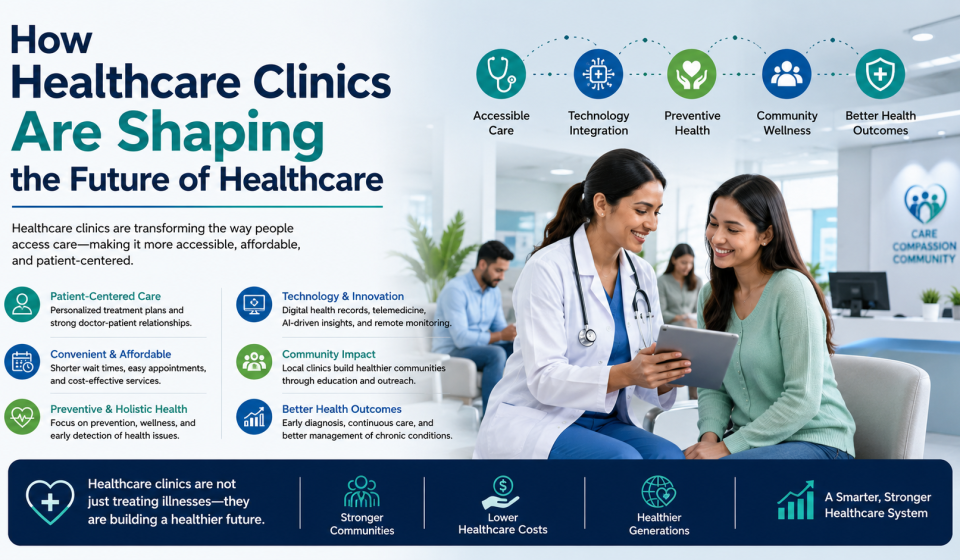

Healthcare clinics are no longer limited to basic treatment. Modern clinics now use technology, patient data, telemedicine, electronic health records, artificial intelligence, and wellness programs to improve care quality. They are helping patients receive medical support closer to home, with less waiting time and more convenience.
Healthcare is changing rapidly. In the past, many people visited hospitals only when they were seriously ill. Today, healthcare clinics are becoming an important part of everyday medical care. They offer faster access, affordable services, preventive checkups, digital consultations, chronic disease management, and personalized treatment. As healthcare systems around the world face rising costs, increasing patient demand, and a greater need for preventive care, clinics are playing a major role in shaping the future of healthcare. This article explains how healthcare clinics are transforming patient care and why they will continue to be important in the coming years.
The Growing Importance of Healthcare Clinics
Healthcare clinics are becoming popular because they provide accessible and practical medical services. Many patients prefer clinics for routine checkups, minor illnesses, vaccinations, diagnostics, follow-ups, and health advice.
Unlike large hospitals, clinics often offer a more personal and convenient experience. Patients can usually get appointments faster and receive care without long waiting times. For families, working professionals, elderly patients, and people with chronic conditions, clinics provide continuous support.
This growing importance shows that clinics are not just an alternative to hospitals; they are becoming a strong foundation of modern healthcare.
Making Healthcare More Accessible
One of the biggest ways clinics are shaping the future of healthcare is by improving access. Many people delay medical care because hospitals are far away, expensive, or crowded. Clinics help solve this problem by bringing healthcare closer to communities.
Local clinics make it easier for patients to receive early treatment before health problems become serious. They are especially useful in semi-urban and rural areas where access to specialist hospitals may be limited.
Better access means faster diagnosis, timely treatment, and improved health outcomes.
Supporting Preventive Healthcare
The future of healthcare is not only about treating illness; it is also about preventing disease. Healthcare clinics play a key role in preventive care by offering regular health checkups, screenings, vaccinations, lifestyle counseling, and early risk detection.
Preventive care helps identify problems such as diabetes, high blood pressure, obesity, heart disease risk, and vitamin deficiencies before they become severe. Clinics encourage patients to take responsibility for their health through routine monitoring and healthy lifestyle advice.
This shift from treatment to prevention can reduce long-term healthcare costs and improve quality of life.
Improving Patient Convenience
Modern patients want healthcare that fits into their busy lives. Clinics are meeting this need by offering flexible appointment systems, walk-in consultations, online booking, digital reports, and quick follow-ups.
Many clinics now provide multiple services under one roof, such as doctor consultations, lab tests, pharmacy support, physiotherapy, vaccinations, and wellness counseling. This saves patients time and reduces the stress of visiting different locations for different services.
Convenience is one of the biggest reasons clinics are becoming central to the future of healthcare.
Role of Technology in Modern Clinics
Technology is transforming healthcare clinics. Digital tools help clinics manage appointments, patient records, prescriptions, lab reports, and follow-ups more efficiently.
Electronic health records allow doctors to access patient history quickly and make better treatment decisions. Online portals help patients view reports, book appointments, and receive reminders.
Technology also reduces paperwork, improves accuracy, and makes communication between doctors and patients smoother. As digital healthcare grows, clinics that use technology effectively will provide faster and better care.
Telemedicine and Virtual Consultations
Telemedicine is one of the most important healthcare trends. Many clinics now offer virtual consultations where patients can speak to doctors through video calls, phone calls, or online platforms.
This is useful for follow-up visits, minor illnesses, medication advice, mental health support, and chronic disease monitoring. Patients who live far away or have mobility challenges can receive medical guidance without traveling.
Telemedicine does not replace all in-person care, but it makes healthcare more flexible and accessible.
Personalized Patient Care
Every patient has different health needs. Modern healthcare clinics are moving toward personalized care, where treatment is based on the patient’s medical history, lifestyle, age, risk factors, and personal goals.
Instead of giving the same advice to everyone, doctors can create individual care plans. This is especially helpful for patients with diabetes, heart disease, thyroid problems, obesity, asthma, and other long-term conditions.
Personalized care improves patient satisfaction and encourages better treatment follow-up.
Better Chronic Disease Management
Chronic diseases require regular monitoring and long-term care. Clinics are well suited for managing conditions such as diabetes, hypertension, asthma, arthritis, thyroid disorders, and heart-related risks.
Patients can visit clinics regularly for checkups, medication adjustments, lab tests, diet advice, and progress tracking. This prevents complications and reduces the need for emergency hospital visits.
As chronic diseases continue to rise, clinics will become even more important in managing long-term health.
Affordable Healthcare Solutions
Healthcare costs are a major concern for many families. Clinics often provide more affordable services compared to large hospitals, especially for routine care and minor health problems.
By offering early diagnosis, preventive care, and regular monitoring, clinics also help patients avoid expensive treatments later. For example, detecting high blood pressure early can prevent serious heart complications in the future.
Affordable healthcare is one reason clinics are helping create a more sustainable healthcare system.
Building Strong Doctor-Patient Relationships
Healthcare clinics often allow patients to build long-term relationships with doctors and care teams. This trust is important because patients are more likely to share symptoms honestly, follow treatment plans, and return for regular checkups.
A doctor who understands a patient’s medical history can provide better advice and detect changes early. Strong relationships also improve patient confidence and reduce fear around medical visits.
This human connection will remain important even as healthcare becomes more digital.
Integrating Wellness and Lifestyle Care
Modern clinics are expanding beyond illness treatment. Many now include wellness programs, nutrition counseling, mental health support, physiotherapy, weight management, and lifestyle medicine.
This approach focuses on complete well-being rather than only treating symptoms. Patients receive guidance on diet, exercise, sleep, stress, and habits that affect long-term health.
Healthcare clinics are helping people understand that good health is a daily lifestyle, not just a medical appointment.
Improving Early Diagnosis
Early diagnosis can save lives. Clinics help patients get timely tests and medical evaluation when symptoms first appear. Many clinics offer basic diagnostic services, including blood tests, urine tests, ECG, health screenings, and imaging referrals.
When diseases are detected early, treatment is often easier, less expensive, and more successful. Clinics act as the first point of contact for many patients and help guide them to specialists when needed.
Reducing Pressure on Hospitals
Hospitals are essential for emergencies, surgeries, and serious illnesses. However, many patients visit hospitals for problems that can be handled at clinics. By managing routine and non-emergency care, clinics reduce pressure on hospitals.
This allows hospitals to focus on critical cases while patients with minor or routine needs receive faster care at clinics. A strong clinic network creates a more balanced healthcare system.
Supporting Community Health
Healthcare clinics often understand the needs of the local community. They can organize health camps, awareness programs, vaccination drives, and screening events.
Community-based clinics help educate people about common health problems, hygiene, nutrition, women’s health, child health, elderly care, and preventive checkups.
This local role makes clinics important partners in building healthier communities.
Future of Healthcare Clinics
The future of clinics will likely include more digital tools, AI-assisted diagnosis, remote monitoring, wearable health devices, personalized treatment plans, and integrated care systems.
Patients may be able to track health data from home and share it with clinics in real time. Doctors will use data to detect risks earlier and provide timely advice.
Clinics that combine technology with compassionate care will become a major part of future healthcare.
source
https://l1nq.com/mi25zy8
https://l1nq.com/fglrom8
https://sl1nk.com/dnqwrr9
https://sl1nk.com/y5c2vij
Conclusion
Healthcare clinics are shaping the future of healthcare by making medical care more accessible, affordable, preventive, and patient-centered. They help people receive timely treatment, manage chronic diseases, avoid unnecessary hospital visits, and build healthier lifestyles.
With the support of digital technology, telemedicine, personalized care, and preventive health programs, clinics are becoming more advanced and reliable. They are not just places for basic treatment; they are becoming complete health partners for individuals and families.
As healthcare continues to evolve, clinics will play an even bigger role in creating a system that is faster, smarter, more convenient, and focused on long-term wellness.
Frequently Asked Questions
1. Why are healthcare clinics important for the future of healthcare?
Healthcare clinics improve access, reduce waiting time, support preventive care, manage chronic diseases, and make healthcare more convenient for patients.
2. How do clinics help reduce healthcare costs?
Clinics provide affordable routine care, early diagnosis, preventive checkups, and regular monitoring, which can help avoid expensive treatments later.
3. Can healthcare clinics replace hospitals?
No. Clinics are useful for routine care, minor illnesses, checkups, and follow-ups. Hospitals are still needed for emergencies, surgeries, and serious medical conditions.
4. How is technology changing healthcare clinics?
Technology helps clinics manage digital records, online appointments, telemedicine, lab reports, reminders, and patient communication more efficiently.
5. What services do modern healthcare clinics offer?
Modern clinics may offer doctor consultations, lab tests, vaccinations, health checkups, chronic disease management, telemedicine, pharmacy support, and wellness counseling.