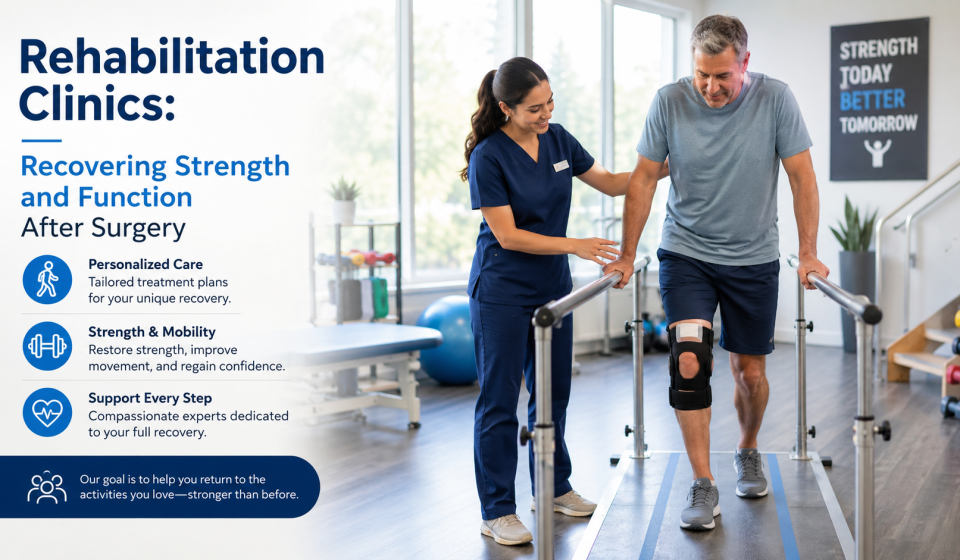

Discover how rehabilitation clinics help patients recover strength, mobility, and independence after surgery. Learn about rehabilitation therapies, benefits, recovery timelines, and expert tips for successful post-surgical healing.
Surgery is often an important step toward improving health, reducing pain, or treating a medical condition. However, the journey does not end when the operation is complete. Recovery after surgery requires time, proper care, and guided rehabilitation to help patients regain strength, mobility, and independence.
Rehabilitation clinics play a crucial role in helping patients recover safely and effectively after surgery. These specialized healthcare facilities provide personalized treatment plans designed to restore physical function, reduce complications, and improve overall quality of life.
Whether recovering from orthopedic surgery, joint replacement, spinal surgery, cardiac procedures, or neurological operations, rehabilitation clinics offer professional support that helps patients return to their daily activities with confidence.
What Are Rehabilitation Clinics?
Rehabilitation clinics are healthcare facilities that focus on helping individuals recover physical, cognitive, and functional abilities after surgery, injury, or illness.
These clinics provide specialized therapies and treatments aimed at:
- Restoring strength and flexibility
- Improving mobility and balance
- Reducing pain and discomfort
- Preventing complications
- Promoting independence
- Enhancing overall quality of life
Rehabilitation programs are tailored to each patient’s specific condition, surgical procedure, and recovery goals.
Why Rehabilitation Is Important After Surgery
Many patients believe that surgery alone will solve their health issues. While surgery addresses the underlying problem, rehabilitation helps the body heal properly and regain normal function.
Without appropriate rehabilitation, patients may experience:
- Muscle weakness
- Reduced mobility
- Joint stiffness
- Poor balance
- Chronic pain
- Delayed recovery
- Increased risk of complications
Professional rehabilitation helps patients recover faster while minimizing these risks.
Common Surgeries That Require Rehabilitation
Many surgical procedures benefit from structured rehabilitation programs.
Joint Replacement Surgery
Patients who undergo hip, knee, or shoulder replacement often require rehabilitation to regain movement, flexibility, and strength.
Spinal Surgery
Rehabilitation supports spinal surgery patients by improving posture, strengthening supporting muscles, and restoring mobility.
Cardiac Surgery
Following heart surgery, rehabilitation programs help improve cardiovascular health, endurance, and overall physical function.
Orthopedic Surgery
Fracture repairs, ligament reconstruction, and tendon surgeries frequently require physical therapy and rehabilitation.
Neurological Surgery
Patients recovering from brain or nerve-related procedures often need specialized rehabilitation to improve coordination and functional abilities.
Sports Injury Surgery
Athletes recovering from surgical procedures benefit from targeted rehabilitation to safely return to sports and physical activity.
Services Offered by Rehabilitation Clinics
Modern rehabilitation clinics provide comprehensive services designed to support recovery at every stage.
Physical Therapy
Physical therapy focuses on restoring movement, strength, flexibility, and balance through targeted exercises and therapeutic techniques.
Benefits include:
- Improved mobility
- Reduced pain
- Enhanced muscle strength
- Faster recovery
Occupational Therapy
Occupational therapists help patients regain the ability to perform daily activities such as dressing, bathing, cooking, and working.
Pain Management
Rehabilitation clinics often incorporate pain management techniques including:
- Therapeutic exercises
- Manual therapy
- Heat and cold therapy
- Electrical stimulation
- Stretching programs
Balance and Mobility Training
Patients learn how to walk safely, improve coordination, and reduce fall risks during recovery.
Strength Training
Customized strengthening exercises help rebuild muscles weakened by surgery or inactivity.
Patient Education
Education is an important part of rehabilitation. Patients learn:
- Safe movement techniques
- Home exercise routines
- Recovery expectations
- Injury prevention strategies
Benefits of Rehabilitation Clinics After Surgery
Choosing a professional rehabilitation clinic offers numerous advantages during the recovery process.
Faster Recovery
Structured rehabilitation programs help patients regain function more quickly compared to recovering without professional guidance.
Improved Mobility
Therapists use targeted interventions to restore movement and flexibility, helping patients return to daily activities sooner.
Reduced Pain
Proper rehabilitation techniques help minimize pain and discomfort associated with post-surgical recovery.
Lower Risk of Complications
Rehabilitation can reduce the likelihood of:
- Blood clots
- Muscle atrophy
- Joint stiffness
- Falls
- Re-injury
Better Long-Term Outcomes
Patients who participate in rehabilitation programs often experience better long-term health and physical function.
Increased Confidence
As patients regain strength and independence, they become more confident in performing everyday tasks.
What to Expect During Rehabilitation
Understanding the rehabilitation process can help patients feel more comfortable and prepared.
Initial Assessment
A rehabilitation specialist evaluates:
- Medical history
- Surgical procedure
- Current physical condition
- Mobility limitations
- Recovery goals
Personalized Treatment Plan
Based on the assessment, therapists create a customized rehabilitation program tailored to the patient’s needs.
Ongoing Therapy Sessions
Patients attend regular therapy sessions that may include:
- Stretching exercises
- Strength training
- Walking practice
- Balance exercises
- Functional movement training
Progress Monitoring
Therapists regularly assess recovery progress and adjust treatment plans as needed.
How Long Does Rehabilitation Take?
Recovery timelines vary depending on several factors:
- Type of surgery
- Patient age
- Overall health condition
- Severity of the medical issue
- Commitment to therapy
General recovery estimates may include:
| Surgery Type | Rehabilitation Duration |
|---|---|
| Knee Replacement | 6–12 Weeks |
| Hip Replacement | 6–12 Weeks |
| Shoulder Surgery | 3–6 Months |
| Spinal Surgery | 3–12 Months |
| Cardiac Surgery | 6–12 Weeks |
| Sports Injury Surgery | Several Months |
Following the rehabilitation plan consistently can significantly improve outcomes.
Tips for Successful Post-Surgical Recovery
Patients can support their rehabilitation journey by following these recommendations.
Follow Medical Advice
Always follow instructions provided by surgeons and rehabilitation specialists.
Stay Consistent With Therapy
Regular attendance and participation are essential for successful recovery.
Perform Home Exercises
Home exercise programs help reinforce clinic-based therapy and accelerate healing.
Maintain Proper Nutrition
A healthy diet supports tissue repair, muscle recovery, and overall wellness.
Stay Hydrated
Adequate hydration promotes circulation and supports the body’s healing process.
Get Enough Rest
Rest is a critical component of the recovery process and allows the body to heal effectively.
Be Patient
Recovery takes time. Gradual progress is normal and should be celebrated.
Choosing the Right Rehabilitation Clinic
Selecting the right rehabilitation clinic can significantly impact recovery success.
Consider the following factors:
Experienced Healthcare Professionals
Look for clinics staffed by qualified physical therapists, occupational therapists, and rehabilitation specialists.
Personalized Care Plans
Choose a clinic that develops individualized treatment programs.
Advanced Equipment
Modern rehabilitation technology can enhance treatment effectiveness.
Comprehensive Services
Clinics offering multiple therapy options provide more complete care.
Positive Patient Reviews
Patient feedback can offer valuable insights into clinic quality and outcomes.
The Future of Rehabilitation Clinics
Advancements in healthcare technology continue to improve rehabilitation outcomes.
Emerging innovations include:
- Virtual rehabilitation programs
- Robotic-assisted therapy
- Wearable recovery devices
- Artificial intelligence-based treatment planning
- Tele-rehabilitation services
These developments help make recovery more efficient, accessible, and personalized.
Sources
https://l1nq.com/d9ubcvg
https://l1nq.com/7p9ohcp
Conclusion
Rehabilitation clinics play a vital role in helping patients recover strength, mobility, and independence after surgery. Through personalized treatment plans, expert guidance, and specialized therapies, these clinics support a safer and more effective recovery process.
Whether recovering from joint replacement, spinal surgery, cardiac procedures, or sports injuries, rehabilitation services can significantly improve outcomes and quality of life. By committing to a structured rehabilitation program and following professional recommendations, patients can regain function, reduce complications, and return to their daily activities with greater confidence.
Investing in rehabilitation is an investment in long-term health, mobility, and overall well-being.
FAQs
What is the purpose of a rehabilitation clinic after surgery?
A rehabilitation clinic helps patients regain strength, mobility, flexibility, and independence following surgical procedures through personalized therapy programs.
When should rehabilitation begin after surgery?
The timing depends on the type of surgery and the surgeon’s recommendations. Some patients begin rehabilitation within days after surgery.
Is rehabilitation painful?
Some discomfort may occur during recovery exercises, but rehabilitation is designed to promote healing safely and effectively while minimizing pain.
How often should I attend rehabilitation sessions?
Frequency varies based on individual needs, but many patients attend therapy sessions multiple times per week during recovery.
Can rehabilitation help reduce recovery time?
Yes. Structured rehabilitation programs often improve healing, restore function more quickly, and reduce the risk of complications.