Best Foods for Healthy Kidneys: Complete Nutrition Guide to Protect Kidney Function Naturally

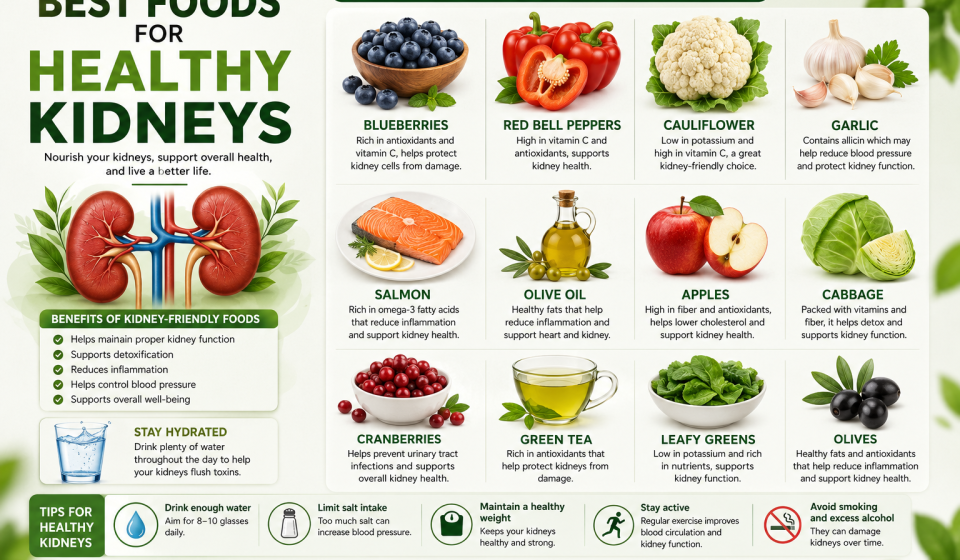
Certain foods are particularly beneficial because they help control blood pressure, reduce inflammation, support healthy blood sugar levels, and protect the kidneys from oxidative stress.
The kidneys are among the most important organs in the human body, performing essential functions that help maintain overall health and well-being. These bean-shaped organs filter waste products, excess fluids, and toxins from the bloodstream while regulating blood pressure, balancing electrolytes, producing hormones, and supporting red blood cell production. When the kidneys function properly, they help keep the body in balance. However, poor dietary habits, dehydration, diabetes, high blood pressure, obesity, and certain medical conditions can place excessive strain on the kidneys and increase the risk of kidney disease over time. Nutrition plays a vital role in maintaining healthy kidneys and preventing kidney-related complications. A balanced diet rich in vitamins, minerals, antioxidants, and anti-inflammatory nutrients can support kidney function and reduce the risk of chronic kidney disease. Understanding which foods promote kidney health and incorporating them into daily meals can contribute significantly to long-term wellness. This comprehensive guide explores the best foods for healthy kidneys and practical dietary strategies to support optimal kidney function naturally.
Why Kidney Health Matters
The kidneys perform several important functions that support overall health.
These include:
- Filtering waste from the blood
- Regulating fluid balance
- Controlling blood pressure
- Maintaining electrolyte levels
- Supporting hormone production
Healthy kidneys are essential for maintaining normal body functions.
Understanding Kidney Disease Risk Factors
Several factors can increase the risk of kidney problems.
Common risk factors include:
- Diabetes
- High blood pressure
- Obesity
- Smoking
- Family history of kidney disease
Healthy dietary habits can help reduce these risks.
The Role of Nutrition in Kidney Health
A nutritious diet helps:
- Reduce inflammation
- Support healthy blood pressure
- Maintain blood sugar control
- Protect kidney tissues
Proper nutrition is one of the most effective ways to support kidney function.
Blueberries
Blueberries are rich in antioxidants that help protect cells from damage.
Benefits include:
- Reduced oxidative stress
- Anti-inflammatory effects
- Nutrient-rich profile
Blueberries are considered one of the best fruits for kidney health.
Strawberries
Strawberries contain beneficial antioxidants and vitamin C.
Potential benefits include:
- Improved immune function
- Reduced inflammation
- Support for overall health
They make an excellent addition to a kidney-friendly diet.
Apples
Apples provide:
- Dietary fiber
- Antioxidants
- Important nutrients
Regular consumption may support cardiovascular and kidney health.
Cranberries
Cranberries are often associated with urinary tract health.
Benefits may include:
- Supporting urinary tract function
- Providing antioxidants
- Promoting overall wellness
They can be included as part of a balanced diet.
Red Bell Peppers
Red bell peppers are packed with:
- Vitamin C
- Vitamin A
- Antioxidants
They are nutritious and flavorful additions to healthy meals.
Cabbage
Cabbage is rich in vitamins and beneficial plant compounds.
Benefits include:
- Digestive support
- Antioxidant protection
- Nutritional value
It can be enjoyed in various healthy recipes.
Cauliflower
Cauliflower contains:
- Fiber
- Antioxidants
- Important vitamins
It is a versatile vegetable that supports overall health.
Garlic
Garlic is known for its potential health benefits.
It may help:
- Support heart health
- Reduce inflammation
- Enhance flavor without excess sodium
Garlic is commonly used in healthy dietary patterns.
Onions
Onions provide antioxidants and beneficial plant compounds.
They can contribute to:
- Heart health
- Nutritional balance
- Flavorful meals
Leafy Green Vegetables
Leafy greens contain:
- Vitamins
- Minerals
- Fiber
Examples include:
- Spinach
- Kale
- Lettuce
These vegetables support overall wellness.
Olive Oil
Olive oil is a source of healthy fats.
Benefits include:
- Heart health support
- Anti-inflammatory properties
- Nutrient absorption
It is a key component of many healthy diets.
Fatty Fish
Fish such as salmon and sardines provide:
- Omega-3 fatty acids
- Protein
- Essential nutrients
Omega-3 fats support cardiovascular and overall health.
Egg Whites
Egg whites offer:
- High-quality protein
- Low fat content
Protein is important for maintaining muscle and tissue health.
Whole Grains
Whole grains provide:
- Fiber
- Vitamins
- Minerals
Examples include:
- Oats
- Brown rice
- Whole wheat products
They support digestive and metabolic health.
Healthy Beans and Legumes
Beans and legumes are nutritious sources of:
- Plant-based protein
- Fiber
- Essential nutrients
Examples include:
- Lentils
- Chickpeas
- Black beans
They contribute to balanced nutrition.
Grapes
Grapes contain antioxidants that help protect cells from damage.
Benefits include:
- Nutrient support
- Hydration
- Overall wellness
Pineapple
Pineapple contains:
- Vitamin C
- Antioxidants
- Digestive enzymes
It can be part of a healthy eating plan.
Water and Kidney Health
Hydration is one of the most important factors for kidney function.
Adequate water intake helps:
- Remove waste products
- Support circulation
- Maintain fluid balance
Proper hydration supports healthy kidneys.
Foods That Support Blood Pressure Control
Healthy blood pressure helps protect kidney function.
Helpful foods include:
- Fruits
- Vegetables
- Whole grains
- Healthy fats
Balanced nutrition supports cardiovascular health.
Foods That Help Manage Blood Sugar
Blood sugar control is important for preventing kidney complications.
Healthy choices include:
- High-fiber foods
- Whole grains
- Lean proteins
Balanced meals support metabolic health.
Antioxidants and Kidney Protection
Antioxidants help combat oxidative stress.
Sources include:
- Berries
- Vegetables
- Fruits
These compounds support cellular health.
Importance of Reducing Sodium Intake
Excess sodium may contribute to:
- High blood pressure
- Fluid retention
- Increased kidney strain
Limiting processed foods can help reduce sodium consumption.
Avoiding Excess Sugar
Too much sugar may increase the risk of:
- Obesity
- Diabetes
- Metabolic disorders
Healthy eating patterns support kidney protection.
Maintaining a Healthy Weight
Healthy body weight helps reduce kidney disease risk.
Benefits include:
- Better blood pressure control
- Improved blood sugar regulation
- Reduced inflammation
Lifestyle habits influence long-term kidney health.
Exercise and Kidney Wellness
Regular physical activity supports:
- Heart health
- Weight management
- Blood pressure control
Exercise complements healthy nutrition.
Importance of Blood Pressure Monitoring
Monitoring blood pressure helps identify health concerns early.
Healthy blood pressure protects:
- Blood vessels
- Heart function
- Kidney function
Routine monitoring is beneficial.
Diabetes Prevention and Kidney Health
Diabetes is a leading cause of kidney disease.
Preventive strategies include:
- Healthy eating
- Physical activity
- Weight control
Early intervention supports kidney protection.
Lifestyle Habits for Healthy Kidneys
Healthy habits include:
- Staying hydrated
- Exercising regularly
- Eating nutritious foods
- Avoiding tobacco products
Lifestyle choices influence kidney health outcomes.
Routine Health Checkups
Regular medical evaluations help:
- Monitor kidney function
- Identify risk factors
- Support preventive healthcare
Early detection improves outcomes.
Building a Kidney-Friendly Diet
A kidney-supportive eating plan should focus on:
- Fruits
- Vegetables
- Whole grains
- Lean proteins
- Healthy fats
Balanced nutrition promotes long-term wellness.
Source Links
https://www.kidney.org
https://www.niddk.nih.gov
https://www.cdc.gov/kidneydisease
https://www.who.int
https://www.ncbi.nlm.nih.gov
Conclusion
Healthy kidneys are essential for maintaining overall wellness, filtering waste products, regulating fluid balance, supporting blood pressure control, and performing numerous other vital functions. Nutrition plays a crucial role in protecting kidney health and reducing the risk of chronic kidney disease. Foods such as blueberries, strawberries, apples, cranberries, leafy greens, cauliflower, garlic, olive oil, fatty fish, whole grains, and legumes provide valuable nutrients that support kidney function and overall health. Combined with proper hydration, regular exercise, healthy weight management, blood pressure control, and routine medical checkups, a kidney-friendly diet can contribute significantly to long-term wellness. By making informed dietary choices and maintaining healthy lifestyle habits, individuals can support their kidneys and improve overall quality of life.
FAQ
1- Why are kidneys important for overall health?
Kidneys filter waste products, regulate fluid balance, control blood pressure, and support several essential bodily functions.
2- What are some of the best foods for kidney health?
Foods such as blueberries, apples, cranberries, cauliflower, garlic, leafy greens, and fatty fish are commonly associated with kidney-friendly nutrition.
3- How does hydration support kidney function?
Adequate water intake helps remove waste products and supports normal kidney processes.
4- Can diet help prevent kidney disease?
A healthy diet may reduce risk factors such as high blood pressure, diabetes, and obesity that can affect kidney health.
5- Why is sodium reduction important?
Excess sodium can contribute to high blood pressure and increased strain on the kidneys.
6- How does blood pressure affect the kidneys?
High blood pressure can damage blood vessels in the kidneys and impair their function over time.
7- Are fruits beneficial for kidney health?
Many fruits provide antioxidants, vitamins, and hydration that support overall wellness and kidney function.
8- Can exercise help protect the kidneys?
Yes, regular physical activity supports blood pressure control, weight management, and cardiovascular health.
9- Why is diabetes linked to kidney disease?
Poorly controlled blood sugar can damage kidney tissues and increase the risk of chronic kidney disease.
10- How often should kidney health be monitored?
Individuals with risk factors such as diabetes or high blood pressure should discuss monitoring schedules with healthcare professionals.