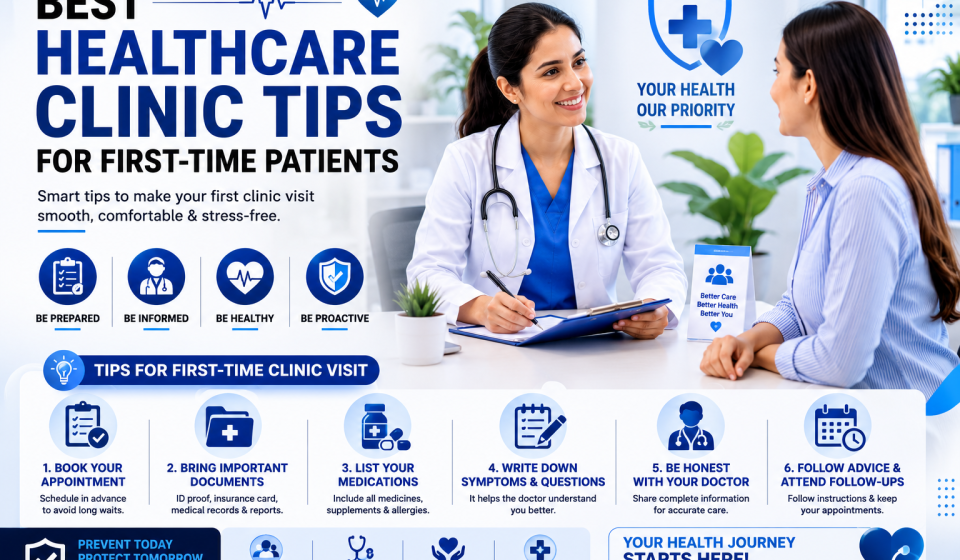

In this guide, we’ll explore the best healthcare clinic tips for first-time patients, covering everything from preparing for your appointment to understanding follow-up care and building a long-term relationship with your healthcare provider.
Visiting a healthcare clinic for the first time can feel overwhelming, especially if you’re unsure what to expect. Whether you’re scheduling a routine health checkup, seeking treatment for a specific concern, or establishing care with a new primary healthcare provider, being prepared can make your experience smoother and more productive. Healthcare clinics are designed to provide comprehensive medical services, from preventive care and vaccinations to diagnosing illnesses and managing chronic conditions. Knowing how to prepare before your first appointment allows you to communicate effectively with your healthcare provider, receive accurate diagnoses, and make informed decisions about your health.
First-time patients often have questions about paperwork, insurance, medical history, medications, and what happens during a routine examination. Fortunately, most healthcare clinics follow a structured process that helps patients feel comfortable while ensuring providers gather the necessary information to deliver high-quality care. Preparing in advance can also reduce stress, save time, and help you get the most value from your visit.
Choose the Right Healthcare Clinic
Selecting the right healthcare clinic is the first step toward receiving quality medical care.
When choosing a clinic, consider:
- Qualified healthcare professionals
- Positive patient reviews
- Convenient location
- Clinic hours
- Accepted insurance plans
- Range of healthcare services
- Clean and comfortable environment
- Availability of online appointment booking
A trusted clinic provides reliable care and makes future visits easier.
Schedule Your Appointment in Advance
Most clinics allow appointments through:
- Online booking
- Telephone
- Mobile apps
- Walk-in services (where available)
When scheduling, explain the reason for your visit so the clinic can allocate enough time and recommend the appropriate healthcare provider.
Gather Important Documents
Before your appointment, organize essential paperwork.
Bring:
- Government-issued identification
- Health insurance card
- Previous medical records
- Referral letter (if required)
- Vaccination records
- Recent laboratory reports
- Imaging results (X-rays, MRI, CT scans)
Having complete documentation helps avoid delays and unnecessary repeat testing.
Prepare Your Medical History
Your healthcare provider needs accurate information to understand your overall health.
Be prepared to discuss:
- Previous illnesses
- Surgeries
- Allergies
- Family medical history
- Current medications
- Chronic health conditions
- Lifestyle habits
Honest and complete information supports better diagnosis and treatment.
Make a List of Current Medications
Write down every medication you’re taking, including:
- Prescription drugs
- Over-the-counter medicines
- Vitamins
- Herbal supplements
- Allergy medications
Include dosage information whenever possible to help your provider avoid medication interactions.
Write Down Your Symptoms and Questions
Many patients forget important details during appointments.
Before visiting, note:
- When symptoms began
- How often they occur
- Pain severity
- What improves or worsens symptoms
- Other related health concerns
Also prepare questions such as:
- What could be causing my symptoms?
- Will I need additional tests?
- What treatment options are available?
- Are lifestyle changes recommended?
This ensures you leave with the information you need.
Arrive Early for Your Appointment
First-time patients usually complete registration paperwork before seeing the provider.
Arriving 15–20 minutes early gives you enough time to:
- Complete forms
- Verify insurance
- Provide identification
- Review clinic policies
- Relax before your consultation
Being early helps keep appointments on schedule.
Be Honest During Your Consultation
Open communication leads to better healthcare.
Tell your provider about:
- Smoking or tobacco use
- Alcohol consumption
- Exercise habits
- Diet
- Stress levels
- Mental health concerns
- Sleep problems
Even small details may help identify underlying health issues.
Understand What Happens During a Routine Examination
A first visit often includes a comprehensive health assessment.
Your provider may:
- Measure height and weight
- Check blood pressure
- Measure temperature
- Review medical history
- Listen to your heart and lungs
- Examine areas related to your symptoms
- Recommend laboratory tests
The examination helps establish a baseline for your future healthcare.
Ask About Preventive Healthcare
Your first visit is an excellent opportunity to discuss preventive care.
Ask about:
- Annual physical exams
- Vaccinations
- Blood pressure screening
- Diabetes screening
- Cholesterol testing
- Cancer screenings
- Healthy lifestyle recommendations
Preventive care helps identify health risks before serious problems develop.
Understand Your Treatment Plan
Before leaving the clinic, make sure you understand:
- Your diagnosis
- Prescribed medications
- Test results
- Lifestyle recommendations
- Follow-up appointments
- Warning signs that require immediate attention
Don’t hesitate to ask for clarification if anything is unclear.
Follow Medication and Care Instructions
Carefully follow your provider’s recommendations.
This may include:
- Taking medications correctly
- Completing diagnostic tests
- Attending specialist referrals
- Exercising regularly
- Eating a healthy diet
- Returning for follow-up visits
Consistency improves treatment outcomes and recovery.
Build a Long-Term Relationship with Your Healthcare Provider
Regular visits allow your provider to become familiar with your health history and personal needs.
Benefits include:
- Better continuity of care
- More accurate diagnoses
- Personalized treatment plans
- Easier monitoring of chronic conditions
- Greater trust and communication
Long-term relationships contribute to better overall health.
Tips for Making Every Clinic Visit Successful
Follow these simple tips:
- Bring a notebook for important information.
- Keep your medication list updated.
- Wear comfortable clothing.
- Bring glasses or hearing aids if needed.
- Update contact and insurance information regularly.
- Follow all pre-appointment instructions.
- Schedule recommended follow-up visits.
- Maintain healthy habits between appointments.
These practices help maximize the value of every healthcare visit.
source
https://l1nq.com/qx35ldq
https://l1nq.com/38l40d8
https://sl1nk.com/d3guohc
Conclusion
Your first visit to a healthcare clinic is an important step toward taking control of your health. By preparing your medical records, documenting your symptoms, bringing a complete medication list, and asking thoughtful questions, you can help your healthcare provider deliver accurate diagnoses and personalized care. Healthcare clinics are more than places to receive treatment—they are partners in preventing disease, managing ongoing conditions, and supporting lifelong wellness.
Making regular clinic visits, following medical advice, and building a strong relationship with your healthcare provider can lead to better health outcomes, earlier disease detection, and improved quality of life. A little preparation before your first appointment can make a significant difference in your overall healthcare experience.
Frequently Asked Questions (FAQs)
1. What should I bring to my first healthcare clinic appointment?
Bring a valid ID, health insurance card, previous medical records, medication list, vaccination records, referral documents (if needed), and a list of questions for your healthcare provider.
2. How early should I arrive for my first appointment?
It’s recommended to arrive 15–20 minutes early to complete registration forms, verify insurance, and provide necessary medical information.
3. What happens during a first-time clinic visit?
Your provider will review your medical history, discuss your symptoms, perform a physical examination if needed, check vital signs, and recommend any necessary tests or treatments.
4. Why is it important to share my full medical history?
Providing complete information about past illnesses, medications, allergies, surgeries, and family history helps your provider make accurate diagnoses and create a safe, effective treatment plan.
5. Can I ask questions during my appointment?
Absolutely. Asking questions about your diagnosis, medications, treatment options, preventive care, and follow-up appointments helps you better understand and manage your health.