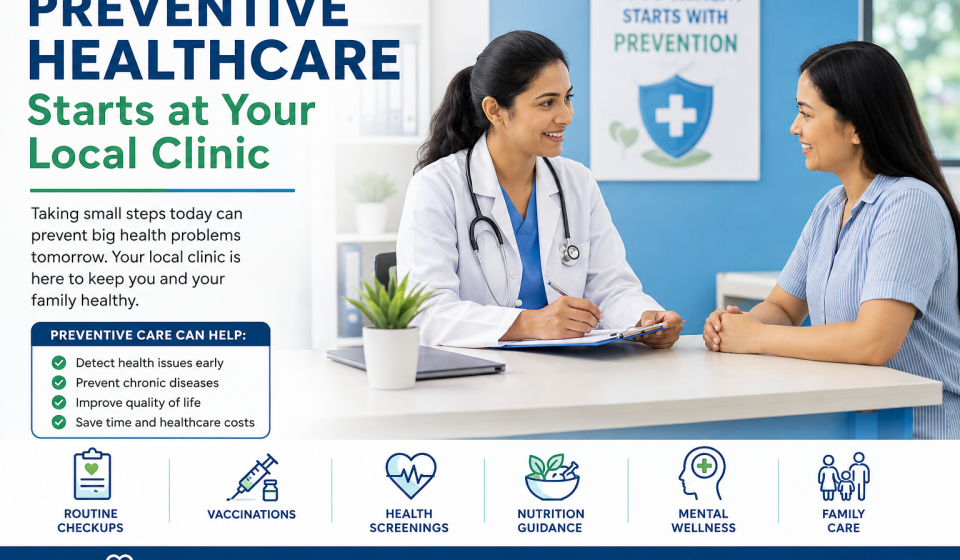

In this guide, we’ll explore why preventive healthcare begins at your local clinic, the essential preventive services available, and how regular healthcare visits can help you lead a healthier and longer life.
Preventive healthcare is one of the most effective ways to maintain long-term health, reduce medical expenses, and improve quality of life. Instead of waiting until an illness becomes serious, preventive care focuses on identifying health risks early, promoting healthy habits, and preventing diseases before they develop. Your local healthcare clinic plays a vital role in making preventive care accessible, affordable, and convenient for individuals and families. Modern healthcare clinics are no longer just places to visit when you’re sick. They provide a wide range of preventive services, including routine checkups, vaccinations, health screenings, chronic disease management, nutritional counseling, and wellness education. Whether you’re a child, adult, or senior, regular visits to a trusted clinic can help detect health concerns early and improve treatment outcomes.
What Is Preventive Healthcare?
Preventive healthcare refers to medical services and healthy lifestyle practices designed to prevent illnesses, detect diseases early, and reduce future health risks. Rather than focusing only on treatment, preventive care aims to keep people healthy before problems arise.
Preventive healthcare includes:
- Annual physical examinations
- Vaccinations
- Blood pressure monitoring
- Cholesterol testing
- Diabetes screening
- Cancer screenings
- Mental health evaluations
- Lifestyle counseling
- Nutrition guidance
- Exercise recommendations
By staying proactive, patients can significantly lower their chances of developing chronic illnesses such as heart disease, diabetes, obesity, and certain cancers.
Why Local Healthcare Clinics Matter
Local clinics are often the first point of contact within the healthcare system. They provide convenient access to primary care professionals who understand the health needs of the community.
Benefits of visiting your local clinic include:
- Easy appointment scheduling
- Affordable healthcare services
- Personalized treatment plans
- Continuity of care
- Quick referrals to specialists when necessary
- Convenient follow-up appointments
Having a trusted local healthcare provider encourages patients to seek medical advice regularly rather than delaying treatment until symptoms become severe.
Regular Health Checkups Detect Problems Early
Many serious health conditions develop silently without noticeable symptoms. High blood pressure, diabetes, high cholesterol, kidney disease, and even certain cancers can remain undetected for years.
Routine checkups help healthcare providers monitor your health through:
- Physical examinations
- Blood tests
- Urine analysis
- Blood pressure checks
- Weight monitoring
- Heart health assessments
Early diagnosis often means simpler treatments, lower medical costs, and better recovery rates.
Vaccinations Protect Individuals and Communities
Vaccinations remain one of the most successful preventive healthcare measures worldwide. Healthcare clinics provide immunizations for children, adults, and seniors to protect against various infectious diseases.
Common vaccines include:
- Influenza (Flu)
- COVID-19
- Hepatitis
- Tetanus
- HPV
- Shingles
- Pneumococcal vaccine
Vaccines not only protect individuals but also reduce disease transmission throughout the community.
Health Screenings Save Lives
Health screenings help identify diseases before symptoms appear.
Depending on age, family history, and health conditions, your healthcare provider may recommend:
Blood Pressure Screening
Detects hypertension before it causes heart attacks or strokes.
Cholesterol Testing
Identifies cardiovascular disease risks.
Blood Sugar Testing
Helps detect prediabetes and diabetes early.
Cancer Screenings
These may include:
- Breast cancer screening
- Cervical cancer screening
- Colon cancer screening
- Prostate cancer screening
- Skin examinations
Early detection greatly improves treatment success.
Managing Chronic Diseases Before They Worsen
Millions of people live with chronic illnesses that require continuous monitoring.
Healthcare clinics help manage:
- Diabetes
- High blood pressure
- Asthma
- Arthritis
- Heart disease
- Thyroid disorders
Regular follow-up appointments allow providers to adjust medications, monitor progress, and prevent complications.
Lifestyle Counseling Improves Overall Wellness
Preventive healthcare goes beyond medical tests.
Many clinics provide guidance on:
Healthy Eating
Nutrition counseling helps patients develop healthier eating habits that reduce the risk of obesity and chronic diseases.
Physical Activity
Healthcare providers recommend exercise routines based on age and fitness level.
Weight Management
Maintaining a healthy weight lowers the risk of diabetes, joint problems, and heart disease.
Smoking Cessation
Clinics offer support, counseling, and treatment options for quitting tobacco.
Alcohol Moderation
Healthcare professionals educate patients on reducing alcohol-related health risks.
Mental Health Is Part of Preventive Care
Mental wellness is equally important as physical health.
Many healthcare clinics now offer:
- Anxiety screenings
- Depression assessments
- Stress management counseling
- Sleep evaluations
- Behavioral health referrals
Early mental health support improves emotional well-being and prevents more serious conditions from developing.
Preventive Care for Every Stage of Life
Preventive healthcare needs change throughout life.
Children
- Vaccinations
- Growth monitoring
- Vision screening
- Hearing tests
- Developmental assessments
Adults
- Blood pressure checks
- Diabetes screening
- Cholesterol monitoring
- Cancer screenings
- Mental health evaluations
Older Adults
- Bone density testing
- Fall prevention assessments
- Memory evaluations
- Medication reviews
- Vaccinations
Age-specific preventive care helps maintain health across every stage of life.
Building a Long-Term Relationship with Your Healthcare Provider
One of the biggest advantages of using a local healthcare clinic is continuity of care.
Over time, your provider becomes familiar with:
- Your medical history
- Family health history
- Previous treatments
- Allergies
- Medications
- Lifestyle habits
This personalized understanding leads to better healthcare decisions and more effective treatment plans.
Preventive Healthcare Reduces Long-Term Medical Costs
Preventive care is an investment in your future health.
Regular screenings and early treatment often prevent expensive hospital stays, emergency care, surgeries, and long-term complications.
Examples include:
- Treating high blood pressure before a stroke occurs
- Managing diabetes before kidney damage develops
- Detecting cancer at an early stage when treatment is less invasive
Although preventive visits involve some upfront costs, they often save thousands of dollars in future healthcare expenses.
Simple Tips to Get the Most from Your Clinic Visits
You can maximize every healthcare appointment by:
- Scheduling annual wellness exams
- Keeping vaccination records updated
- Bringing a list of medications
- Discussing family medical history
- Asking questions about symptoms
- Following treatment recommendations
- Maintaining healthy daily habits
- Booking follow-up visits when advised
Being actively involved in your healthcare improves long-term outcomes.
source
https://l1nq.com/mgk3e79
https://sl1nk.com/setrtlv
https://sl1nk.com/8fziear
https://l1nq.com/9xztjeq
Conclusion
Preventive healthcare is one of the smartest investments you can make for your health, and it all starts at your local clinic. Regular checkups, health screenings, vaccinations, lifestyle counseling, and early disease detection work together to prevent serious illnesses before they become major problems. Local healthcare clinics provide convenient access to experienced medical professionals who focus on keeping you healthy rather than simply treating disease.
Whether you’re maintaining your current health, managing a chronic condition, or looking to reduce future health risks, consistent preventive care offers lasting benefits. By making routine clinic visits part of your healthcare routine, you can enjoy greater peace of mind, improved well-being, lower healthcare costs, and a healthier future for yourself and your family.
Frequently Asked Questions (FAQs)
1. What is preventive healthcare?
Preventive healthcare includes medical services and healthy lifestyle practices designed to prevent illness, detect diseases early, and maintain overall health.
2. How often should I visit my local healthcare clinic?
Most adults should schedule a routine wellness checkup at least once a year, though your healthcare provider may recommend more frequent visits based on your health needs.
3. What preventive services do healthcare clinics provide?
Healthcare clinics commonly offer annual physical exams, vaccinations, health screenings, chronic disease management, mental health assessments, nutrition counseling, and wellness education.
4. Why are regular health screenings important?
Health screenings help identify conditions like high blood pressure, diabetes, high cholesterol, and certain cancers before symptoms appear, allowing for earlier and more effective treatment.
5. Can preventive healthcare reduce medical costs?
Yes. Early detection and disease prevention often reduce the need for costly emergency care, hospitalizations, surgeries, and long-term treatments.