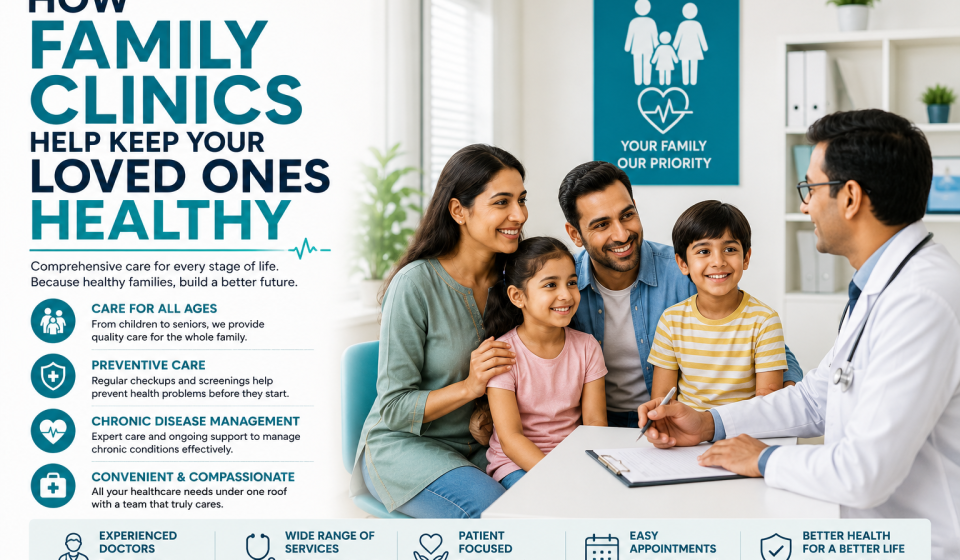

This guide explores how family clinics support lifelong health, the services they offer, and why choosing a trusted family clinic can make a significant difference in your loved ones’ well-being.
Maintaining the health of your family requires more than treating illnesses when they arise—it involves preventive care, regular checkups, and building long-term relationships with trusted healthcare professionals. Family clinics play a crucial role in providing comprehensive healthcare services for people of all ages, from infants and children to adults and seniors. By offering personalized, continuous care under one roof, family clinics help ensure every member of your household receives the medical attention they need. Unlike specialized clinics that focus on one area of medicine, family clinics provide a wide range of healthcare services, making them a convenient and reliable choice for everyday medical needs. Whether it’s routine wellness exams, vaccinations, chronic disease management, or treatment for common illnesses, family healthcare providers understand your family’s medical history and tailor care accordingly.
What Is a Family Clinic?
A family clinic is a healthcare facility that provides primary medical care for individuals of all ages. Family physicians are trained to diagnose, treat, and prevent a wide variety of health conditions while promoting long-term wellness.
Family clinics often serve as the first point of contact for healthcare and provide continuous care throughout every stage of life.
Patients commonly visit family clinics for:
- Annual physical exams
- Preventive healthcare
- Childhood vaccinations
- Chronic disease management
- Treatment of common illnesses
- Minor injuries
- Health screenings
- Prescription management
Because they care for multiple generations, family clinics develop a deep understanding of each family’s medical history and healthcare needs.
Comprehensive Healthcare for Every Age
One of the biggest advantages of a family clinic is that it provides care for every member of the family.
Infants and Children
Family clinics offer:
- Well-child visits
- Growth and development monitoring
- Routine vaccinations
- School physical exams
- Treatment for childhood illnesses
Teenagers
Healthcare services include:
- Sports physicals
- Mental health support
- Nutrition counseling
- Vaccinations
- Preventive screenings
Adults
Adults receive:
- Annual wellness exams
- Preventive care
- Chronic disease management
- Health screenings
- Lifestyle counseling
Seniors
Older adults benefit from:
- Medication management
- Bone health evaluations
- Blood pressure monitoring
- Diabetes management
- Preventive screenings
This lifelong continuity of care allows healthcare providers to better understand changes in each patient’s health over time.
Preventive Healthcare Services
Family clinics emphasize disease prevention as much as treatment.
Common preventive services include:
- Annual physical examinations
- Blood pressure monitoring
- Cholesterol testing
- Diabetes screening
- Cancer screenings
- Vaccinations
- Health education
Preventive care helps detect medical conditions before symptoms become severe, improving treatment success and reducing healthcare costs.
Managing Chronic Health Conditions
Family physicians help patients manage long-term health conditions through ongoing care and regular monitoring.
Conditions commonly managed include:
- Diabetes
- Hypertension
- Asthma
- Heart disease
- Arthritis
- Thyroid disorders
Routine follow-up appointments help patients stay healthy while reducing complications and hospital visits.
Building Long-Term Relationships with Your Healthcare Provider
One of the greatest strengths of family clinics is continuity of care.
Over time, family physicians become familiar with:
- Medical history
- Family health risks
- Lifestyle habits
- Allergies
- Previous treatments
- Personal healthcare goals
This long-term relationship leads to more personalized treatment and improved communication between patients and healthcare providers.
Convenient Healthcare Under One Roof
Family clinics simplify healthcare by providing multiple services in one location.
Many clinics offer:
- General medical consultations
- Laboratory testing
- Vaccinations
- Prescription refills
- Health screenings
- Minor injury treatment
- Telemedicine appointments
Having these services available in one clinic saves time and makes healthcare more accessible for busy families.
Supporting Children’s Healthy Development
Family clinics play an essential role in helping children grow and thrive.
Healthcare providers monitor:
- Physical growth
- Developmental milestones
- Vision and hearing
- Nutrition
- Immunization schedules
- Behavioral health
Early detection of developmental concerns allows for timely intervention and better long-term outcomes.
Promoting Healthy Lifestyle Habits
Family physicians encourage healthy behaviors that reduce the risk of future illnesses.
They provide guidance on:
- Healthy eating
- Physical activity
- Weight management
- Smoking cessation
- Stress management
- Sleep habits
Educating families about healthy living supports lifelong wellness.
Mental Health and Emotional Well-Being
Family clinics recognize that mental health is an important part of overall wellness.
Many clinics provide:
- Anxiety screening
- Depression assessments
- Stress management counseling
- Behavioral health referrals
- Emotional wellness support
Addressing mental health concerns early contributes to healthier families.
When Should Your Family Visit a Family Clinic?
Regular healthcare visits help prevent serious illnesses and maintain overall health.
Schedule appointments for:
- Annual wellness exams
- Vaccinations
- Persistent cough or fever
- Minor injuries
- Skin conditions
- Chronic disease monitoring
- Medication reviews
- Preventive screenings
Even healthy individuals benefit from routine checkups.
Choosing the Right Family Clinic
When selecting a family clinic, consider:
Experienced Healthcare Providers
Choose clinics staffed by licensed family physicians and qualified medical professionals.
Comprehensive Services
Look for clinics offering preventive care, diagnostic services, vaccinations, and chronic disease management.
Convenient Location
A nearby clinic encourages consistent healthcare visits.
Positive Patient Reviews
Patient experiences often reflect service quality and professionalism.
Insurance Coverage
Confirm the clinic accepts your health insurance plan.
Modern Facilities
Clean, well-equipped clinics improve patient comfort and safety.
Benefits of Family Clinics
Family clinics offer numerous long-term advantages.
These include:
- Personalized healthcare
- Continuity of care
- Early disease detection
- Better chronic disease management
- Convenient healthcare access
- Lower healthcare costs
- Improved patient satisfaction
- Stronger doctor-patient relationships
These benefits contribute to healthier individuals and stronger families.
source
https://l1nq.com/qhwuw64
https://l1nq.com/ungiokq
https://l1nq.com/scoa8gv
Conclusion
Family clinics serve as the foundation of lifelong healthcare by providing comprehensive, patient-centered medical services for individuals of every age. From routine checkups and childhood vaccinations to chronic disease management and preventive care, family physicians help families maintain good health while building trusted relationships that last for years.
Choosing a reliable family clinic ensures your loved ones receive consistent, personalized healthcare tailored to their unique medical needs. By focusing on prevention, early diagnosis, and ongoing support, family clinics help reduce the risk of serious illnesses and improve overall quality of life.
Making regular visits to a trusted family clinic is one of the best ways to protect your family’s health today and for generations to come.
FAQs
1. What is a family clinic?
A family clinic provides comprehensive primary healthcare services for patients of all ages, including children, adults, and seniors.
2. What services do family clinics offer?
Family clinics provide annual checkups, vaccinations, preventive care, chronic disease management, health screenings, minor injury treatment, laboratory testing, and prescription management.
3. Why should I choose a family clinic?
Family clinics offer personalized care, long-term relationships with healthcare providers, convenient access to multiple services, and comprehensive care for every member of the family.
4. Can family clinics treat chronic diseases?
Yes. Family physicians regularly manage chronic conditions such as diabetes, hypertension, asthma, heart disease, arthritis, and thyroid disorders.
5. How often should my family visit a family clinic?
Most individuals should schedule an annual wellness exam, while children, seniors, and people with chronic conditions may require more frequent visits.