
Learn why preventive healthcare clinics are essential for long-term wellness with expert preventive care, health screenings, vaccinations, and lifestyle guidance.
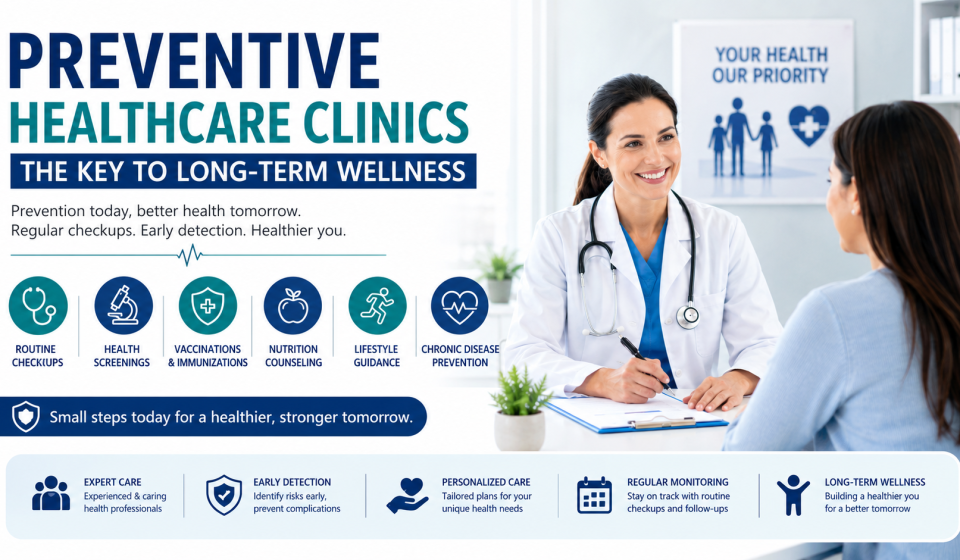
In today’s fast-paced world, many people seek medical attention only after they become sick. However, modern healthcare is increasingly shifting its focus from treating illnesses to preventing them before they occur. This proactive approach helps individuals maintain better health, detect diseases early, and reduce the risk of serious medical conditions. Preventive healthcare clinics play a vital role in making this possible. Preventive healthcare clinics provide services that focus on keeping people healthy rather than simply treating diseases. From routine health screenings and vaccinations to lifestyle counseling and chronic disease prevention, these clinics help patients of all ages live longer, healthier lives.
What Is a Preventive Healthcare Clinic?
A preventive healthcare clinic is a medical facility that focuses on disease prevention, health promotion, and early detection rather than emergency treatment. These clinics help patients identify health risks before symptoms develop, making treatment more effective and often less expensive.
Preventive healthcare clinics are staffed by physicians, nurses, dietitians, health educators, and other healthcare professionals who work together to create personalized wellness plans. Their goal is to help individuals maintain optimal health through education, routine monitoring, and preventive interventions.
Unlike emergency rooms or specialty hospitals, preventive clinics emphasize long-term health management through regular checkups and healthy lifestyle guidance.
Why Preventive Healthcare Matters
Preventive healthcare is one of the most effective ways to improve overall health and reduce healthcare costs. Many chronic diseases develop gradually and may not show symptoms during their early stages.
Regular preventive care offers several important benefits:
- Detects diseases before symptoms appear.
- Reduces the risk of serious health complications.
- Improves quality of life.
- Increases life expectancy.
- Encourages healthier lifestyle choices.
- Lowers long-term medical expenses.
- Supports mental and emotional well-being.
By identifying health concerns early, patients often have more treatment options and better outcomes.
Common Services Offered by Preventive Healthcare Clinics
Preventive healthcare clinics provide a wide range of services designed to keep patients healthy throughout every stage of life.
Routine Health Checkups
Annual wellness visits allow healthcare providers to monitor your overall health and detect changes that may indicate underlying medical conditions.
Routine examinations typically include:
- Blood pressure measurement
- Heart rate monitoring
- Weight and BMI assessment
- Physical examination
- Medical history review
These regular evaluations establish a baseline for future healthcare decisions.
Vaccinations and Immunizations
Vaccinations are among the most successful preventive healthcare measures.
Preventive clinics provide immunizations for:
- Influenza (flu)
- COVID-19
- Tetanus
- Hepatitis
- HPV
- Pneumonia
- Shingles
- Childhood vaccinations
Staying current with recommended vaccines protects both individuals and communities.
Health Screenings
Early screening plays a major role in disease prevention.
Common screening services include:
- Diabetes testing
- Cholesterol screening
- Blood pressure screening
- Cancer screenings
- Vision exams
- Hearing evaluations
- Osteoporosis screening
These tests often identify health problems before noticeable symptoms develop.
Lifestyle and Nutrition Counseling
Healthy lifestyle habits significantly reduce the risk of chronic diseases.
Healthcare professionals may provide guidance on:
- Balanced nutrition
- Weight management
- Exercise planning
- Smoking cessation
- Alcohol reduction
- Stress management
- Sleep improvement
Small lifestyle changes often produce long-term health benefits.
Mental Health Support
Preventive healthcare includes emotional wellness as well.
Many clinics offer:
- Mental health assessments
- Anxiety screening
- Depression screening
- Stress management counseling
- Referrals to mental health specialists
Early intervention helps improve emotional resilience and overall quality of life.
Chronic Disease Prevention
Many chronic illnesses are preventable through healthy habits and routine monitoring.
Preventive clinics help reduce the risk of:
- Type 2 diabetes
- Heart disease
- Stroke
- Obesity
- High blood pressure
- Certain cancers
- Chronic kidney disease
Regular screenings combined with healthy lifestyle recommendations help patients lower these risks substantially.
Benefits of Visiting a Preventive Healthcare Clinic
Regular visits provide numerous long-term advantages.
Early Disease Detection
Conditions discovered early are often easier and less expensive to treat.
Personalized Healthcare
Providers create wellness plans based on your age, family history, and personal health goals.
Lower Healthcare Costs
Preventing disease is generally more affordable than treating advanced illness.
Better Quality of Life
Healthy individuals enjoy greater energy, improved mobility, and increased productivity.
Long-Term Health Monitoring
Routine appointments allow healthcare providers to track health trends over time.
Who Should Visit a Preventive Healthcare Clinic?
Preventive healthcare is beneficial for everyone.
Children
Regular vaccinations, growth monitoring, and developmental assessments support healthy development.
Adults
Routine screenings help identify early signs of chronic disease and encourage healthier lifestyles.
Seniors
Older adults benefit from regular monitoring of bone health, heart health, vision, hearing, and cognitive function.
Individuals with Family Medical History
Patients with a family history of diabetes, heart disease, or cancer often require earlier and more frequent screenings.
Preparing for Your Preventive Health Appointment
To make the most of your visit:
- Bring your medical history.
- List current medications.
- Record any symptoms or concerns.
- Prepare questions for your healthcare provider.
- Bring vaccination records if available.
- Follow fasting instructions if blood work is scheduled.
Preparation allows providers to deliver more personalized care.
How to Choose the Right Preventive Healthcare Clinic
When selecting a clinic, consider the following factors:
Qualified Medical Professionals
Ensure providers are licensed and experienced in preventive medicine.
Comprehensive Services
Choose clinics offering screenings, vaccinations, laboratory testing, and wellness counseling.
Modern Facilities
Well-equipped clinics improve diagnostic accuracy and patient comfort.
Convenient Location
Easy access encourages consistent follow-up visits.
Insurance Coverage
Verify that the clinic accepts your health insurance plan.
Positive Patient Reviews
Patient feedback can provide insight into quality of care and customer service.
The Future of Preventive Healthcare
Healthcare continues evolving with new technologies that improve prevention and early detection.
Many clinics now offer:
- Telemedicine consultations
- Digital health records
- Wearable health monitoring
- AI-assisted risk assessments
- Personalized preventive care plans
- Online appointment scheduling
Technology makes preventive healthcare more convenient and accessible than ever before.
source
https://sl1nk.com/66jwmn8
https://sl1nk.com/1qz747y
https://l1nq.com/h2eqc98
Conclusion
Preventive healthcare clinics are transforming the way people approach their health by focusing on prevention, early detection, and long-term wellness. Instead of waiting until illness develops, these clinics empower individuals to take proactive steps that reduce disease risk and improve overall quality of life.
From routine checkups and vaccinations to health screenings, nutrition counseling, and chronic disease prevention, preventive healthcare clinics provide comprehensive services that support healthier living at every stage of life. Regular preventive care not only helps detect health issues early but also saves money, reduces medical complications, and promotes lifelong well-being.
Making preventive healthcare a priority is one of the smartest investments you can make for yourself and your family. With consistent care and healthy lifestyle choices, you can enjoy better health, greater peace of mind, and a higher quality of life for years to come.
FAQs
1. What is a preventive healthcare clinic?
A preventive healthcare clinic focuses on preventing diseases through routine checkups, vaccinations, health screenings, lifestyle counseling, and early disease detection.
2. How often should I visit a preventive healthcare clinic?
Most adults should schedule an annual wellness exam, while individuals with chronic conditions or higher health risks may require more frequent visits.
3. What services are offered at preventive healthcare clinics?
Common services include physical exams, vaccinations, blood tests, cancer screenings, cholesterol testing, diabetes screening, nutrition counseling, and mental health assessments.
4. Why is preventive healthcare important?
Preventive healthcare helps detect diseases early, reduces healthcare costs, improves quality of life, and lowers the risk of developing chronic illnesses.
5. Are preventive healthcare clinics only for healthy people?
No. Preventive clinics benefit everyone, including healthy individuals, people with chronic conditions, children, adults, and seniors.