
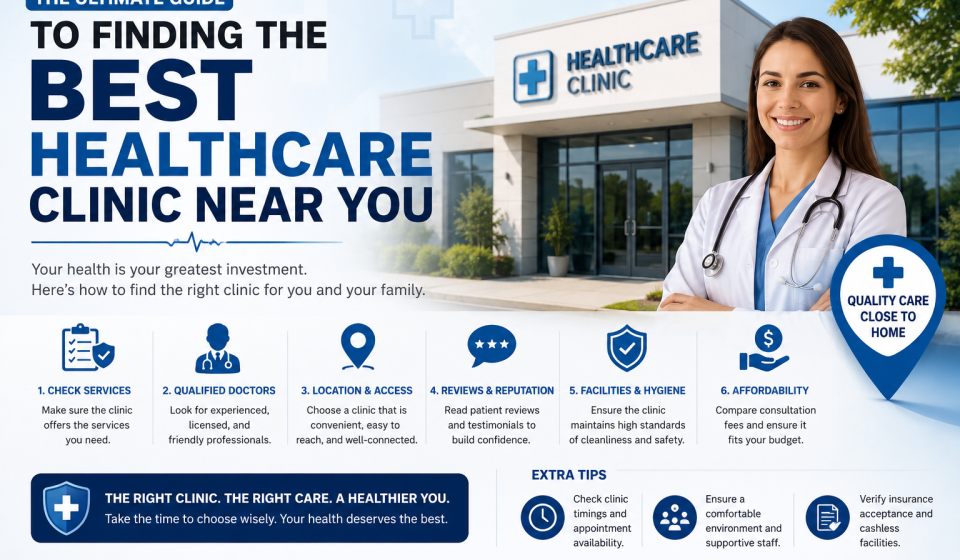

Finding the best healthcare clinic near you is an important step toward protecting your health and your family’s well-being. A good clinic is not only a place for treatment when you are sick, but also a trusted health partner for regular checkups, preventive care, vaccinations, screenings, and long-term medical support. With so many clinics available today, choosing the right one can feel confusing. Some clinics focus on general care, while others provide specialist services, diagnostic tests, emergency support, or digital healthcare options. The best clinic for you depends on your health needs, location, budget, doctor availability, and quality of care.
Why Choosing the Right Healthcare Clinic Matters
A reliable healthcare clinic helps patients receive timely diagnosis, proper treatment, and preventive guidance. When you choose the right clinic, you can build a long-term relationship with doctors who understand your medical history, lifestyle, and health goals.
The wrong clinic may lead to poor communication, long waiting times, unnecessary costs, or delayed treatment. That is why patients should compare clinics carefully before making a decision.
Understand Your Healthcare Needs First
Before searching for a clinic near you, identify what kind of care you need. Do you need general consultation, child healthcare, women’s health, senior care, chronic disease management, vaccination, lab tests, or specialist treatment?
For regular health concerns, a primary care clinic may be enough. For conditions like diabetes, heart disease, skin problems, joint pain, or hormonal issues, you may need a clinic with specialist doctors.
Check the Clinic’s Location and Accessibility
A nearby clinic is helpful for quick consultations, regular checkups, and follow-up visits. Patients should choose a clinic that is easy to reach from home, office, or school.
Also check parking availability, wheelchair access, lift facility, public transport options, and clinic timings. Accessibility is especially important for elderly patients, children, pregnant women, and people with mobility issues.
Research the Clinic’s Reputation
Reputation is one of the strongest signs of a trustworthy clinic. Look for patient reviews, ratings, testimonials, and local recommendations. A clinic with consistent positive feedback is usually more reliable.
Pay attention to reviews about doctor behavior, staff support, waiting time, cleanliness, billing transparency, and treatment quality. Avoid clinics with repeated complaints about poor service or unclear charges.
Verify Doctors’ Qualifications and Experience
The quality of a clinic depends greatly on its doctors. Check whether the doctors are qualified, licensed, and experienced. Experienced doctors can identify symptoms better, explain treatment clearly, and guide patients safely.
For family healthcare, choose a clinic with doctors who can treat different age groups. For specific conditions, look for specialists with relevant expertise.
Look for Available Medical Services
The best healthcare clinic should offer services that match your needs. Common services may include general consultation, preventive checkups, blood tests, vaccinations, chronic disease care, women’s health, child care, physiotherapy, minor procedures, and specialist referrals.
A clinic with multiple services under one roof can save time and reduce the need to visit different locations.
Check Hygiene and Safety Standards
Cleanliness is essential in any healthcare setting. A good clinic should maintain clean waiting areas, consultation rooms, restrooms, treatment spaces, and diagnostic areas.
Staff should follow proper safety practices such as hand hygiene, use of gloves, sterilized instruments, safe waste disposal, and infection control. A clean clinic reflects professionalism and concern for patient safety.
Compare Consultation Fees and Billing Transparency
Healthcare costs should be clear before treatment begins. A trustworthy clinic provides transparent details about consultation fees, test charges, procedure costs, follow-up fees, and payment options.
Avoid clinics that do not explain charges properly. Clear billing helps patients avoid unexpected expenses and builds confidence in the clinic.
Evaluate Communication and Patient Care
Good communication is a major part of quality healthcare. Doctors should listen carefully, explain health problems in simple language, answer questions, and discuss treatment options.
Patients should never feel rushed, ignored, or confused. A patient-friendly clinic makes people feel respected, comfortable, and informed.
Check Appointment and Waiting Time System
A well-managed clinic respects patients’ time. Look for clinics that offer appointment booking through phone, website, app, or walk-in scheduling.
Shorter waiting times, reminder messages, digital tokens, and organized patient flow improve the overall experience. This is especially useful for working professionals and families.
Look for Diagnostic and Lab Support
Accurate diagnosis often requires tests. Clinics with basic diagnostic support such as blood tests, urine tests, ECG, ultrasound, X-ray, or health screenings can provide faster care.
If the clinic does not have in-house testing, it should have tie-ups with reliable diagnostic centers. Quick test results help doctors create better treatment plans.
Ask About Emergency and Referral Support
Not every clinic handles emergencies, but a good clinic should guide patients during urgent health situations. It should also have connections with nearby hospitals, specialists, ambulance services, or emergency care centers.
A strong referral network ensures patients get advanced care when needed.
Consider Technology and Digital Healthcare Features
Modern clinics often use technology to improve patient experience. Digital health records, online reports, teleconsultation, e-prescriptions, appointment apps, and SMS reminders make healthcare easier.
These features help patients track their health history and stay connected with their doctor.
Ensure Patient Privacy and Confidentiality
Your medical information should always remain private. Choose a clinic where consultation rooms allow confidential discussions and patient records are handled securely.
A clinic that respects privacy shows professionalism and ethical responsibility.
Observe Staff Behavior and Support
The clinic staff plays an important role in patient experience. Receptionists, nurses, assistants, and support staff should be polite, helpful, and organized.
Good staff can guide patients with appointments, billing, reports, and follow-up instructions. Friendly support makes the clinic visit more comfortable.
Check Follow-Up Care
Many health problems require follow-up visits, lifestyle changes, medicine adjustments, or repeat tests. A good clinic should clearly explain when you need to return and what warning signs to watch for.
Follow-up care is especially important for chronic conditions such as diabetes, blood pressure, asthma, thyroid disease, and heart problems.
Compare More Than One Clinic
Before choosing a healthcare clinic, compare at least two or three options near you. Look at services, doctors, reviews, fees, cleanliness, technology, and convenience.
Do not choose only based on price or distance. The best clinic should balance quality, comfort, affordability, and trust.
source
https://sl1nk.com/x48rmwh
https://l1nq.com/hh9zsps
https://l1nq.com/t4z9xbv
Conclusion
Finding the best healthcare clinic near you requires careful research and smart decision-making. Patients should consider location, doctor experience, clinic reputation, hygiene, services, pricing, communication, technology, privacy, and follow-up support.
A good clinic becomes a long-term healthcare partner that helps you manage illness, prevent future problems, and maintain better health. By comparing clinics and asking the right questions, patients can choose a healthcare provider that is safe, reliable, affordable, and patient-focused.
FAQs
1. How do I find the best healthcare clinic near me?
Check online reviews, doctor qualifications, available services, hygiene standards, clinic location, consultation fees, and patient feedback.
2. Why is clinic location important?
A nearby clinic makes it easier to attend regular checkups, follow-up visits, vaccinations, and urgent consultations.
3. What should I check before booking an appointment?
Check doctor experience, clinic services, waiting time, pricing, hygiene, appointment system, and patient reviews.
4. Are online reviews useful when choosing a clinic?
Yes, online reviews can help you understand patient experience, staff behavior, waiting time, and service quality.
5. Should I choose the cheapest clinic?
Not always. Affordable care is important, but quality, safety, doctor experience, and hygiene should also be considered.