
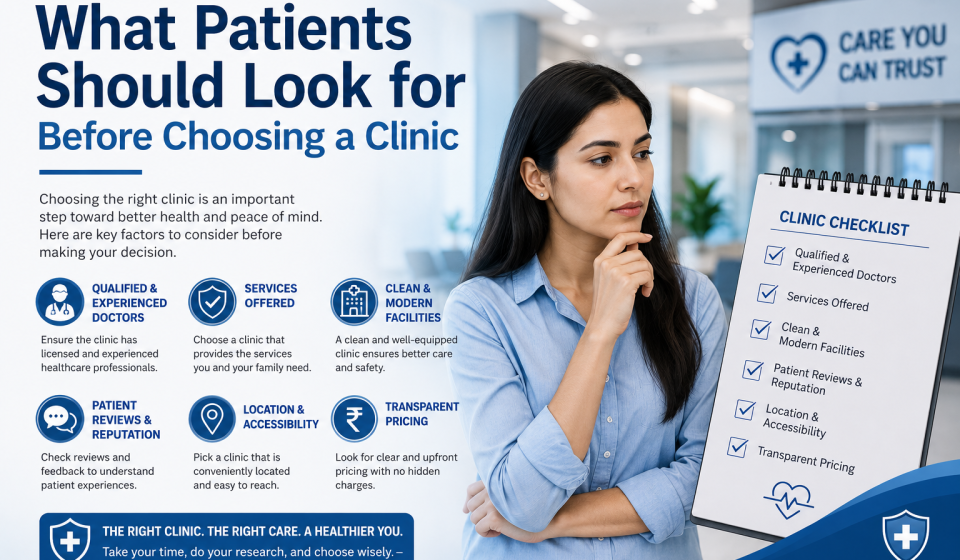

Discover the essential factors to consider before choosing a clinic, from experienced doctors and modern facilities to transparent pricing and patient-centered care.
Choosing the right clinic is one of the most important decisions patients can make for their health and overall well-being. A clinic is often the first place people visit for checkups, treatment, diagnosis, preventive care, and medical advice. Whether someone needs regular health monitoring, specialist consultation, urgent care, or long-term treatment, selecting a trusted clinic can make a big difference in the quality of care they receive. Today, patients have many healthcare options, but not every clinic offers the same level of service, safety, comfort, or professionalism. Before booking an appointment, patients should look beyond location and price. They should consider the clinic’s doctors, facilities, hygiene standards, patient reviews, communication style, technology, emergency support, and overall care experience.
Why Choosing the Right Clinic Matters
A good clinic does more than treat symptoms. It helps patients understand their health, prevent future problems, and make informed medical decisions. The right clinic can provide accurate diagnosis, timely treatment, personalized advice, and continuous support.
Choosing the wrong clinic may lead to delayed diagnosis, poor communication, unnecessary expenses, or unsatisfactory treatment. That is why patients should carefully evaluate a clinic before trusting it with their health.
Check the Clinic’s Reputation
One of the first things patients should look for is the clinic’s reputation. A trusted clinic usually has positive feedback from patients, a strong local presence, and a history of reliable healthcare services.
Patients can check online reviews, ratings, testimonials, and word-of-mouth recommendations. While one or two negative reviews may not define a clinic, repeated complaints about waiting time, rude staff, poor hygiene, or unclear billing should be taken seriously.
Look at the Doctors’ Qualifications and Experience
Doctors are the heart of any clinic. Before choosing a clinic, patients should check whether the doctors are qualified, licensed, and experienced in their field. For general health concerns, a skilled primary care doctor may be enough. For specific issues such as diabetes, heart problems, skin conditions, women’s health, or joint pain, patients may need specialist doctors.
Experience matters because trained doctors can better identify symptoms, recommend the right tests, and provide safe treatment plans.
Consider Available Medical Services
Not all clinics offer the same services. Some clinics provide only basic consultation, while others offer diagnostic tests, vaccination, preventive screenings, minor procedures, physiotherapy, teleconsultation, and specialist care.
Patients should choose a clinic based on their needs. For families, a clinic offering multiple services under one roof can save time and make healthcare more convenient.
Hygiene and Safety Standards
Cleanliness is extremely important in healthcare settings. A good clinic should maintain proper hygiene in waiting areas, consultation rooms, treatment rooms, washrooms, and diagnostic areas.
Patients should notice whether staff follow safety practices such as using gloves, sterilized equipment, clean beds, proper waste disposal, and infection-control measures. A clean clinic reflects professionalism and care for patient safety.
Location and Accessibility
Location is another important factor, especially for elderly patients, children, pregnant women, or people with chronic health problems. A clinic that is easy to reach can be helpful during follow-up visits or urgent situations.
Patients should check whether the clinic has parking, wheelchair access, lift facilities, nearby public transport, and comfortable entry points. Accessibility can make the overall healthcare experience much easier.
Quality of Communication
Good communication is a sign of patient-centered care. Doctors and staff should listen carefully, explain medical conditions clearly, answer questions patiently, and avoid rushing the consultation.
Patients should feel comfortable discussing symptoms, lifestyle habits, concerns, and treatment options. A clinic where communication is respectful and transparent helps patients feel confident and informed.
Availability of Diagnostic Facilities
Accurate diagnosis often depends on proper tests. Clinics with basic diagnostic facilities such as blood tests, urine tests, ECG, ultrasound, X-ray, or other screening services can provide faster results and better treatment planning.
Even if the clinic does not have in-house testing, it should be connected with reliable diagnostic centers. Quick and accurate testing helps avoid delays in treatment.
Transparent Pricing and Billing
Healthcare costs can become stressful if charges are unclear. Patients should choose a clinic that provides transparent information about consultation fees, test charges, procedure costs, follow-up fees, and payment methods.
A trustworthy clinic does not surprise patients with hidden charges. Clear billing builds trust and helps patients plan their healthcare expenses better.
Appointment System and Waiting Time
Long waiting hours can create frustration, especially for working professionals, elderly patients, and families with children. A well-managed clinic should have a proper appointment system, clear timing, and organized patient flow.
Online booking, phone appointments, reminder messages, and digital records can make the process smoother. Patients should prefer clinics that respect their time.
Emergency Support and Referral Network
Some health situations require immediate attention or specialist care. While every clinic may not provide emergency treatment, it should guide patients properly during urgent conditions.
A good clinic should have a strong referral network with hospitals, specialists, diagnostic centers, and emergency services. This helps patients receive timely care when advanced treatment is needed.
Use of Modern Technology
Technology has improved the healthcare experience in many ways. Digital health records, online reports, telemedicine, appointment apps, e-prescriptions, and automated reminders make patient care more efficient.
Clinics that use modern technology can help patients track their medical history, access reports easily, and communicate better with healthcare providers.
Patient Privacy and Confidentiality
Medical information is personal and sensitive. Patients should choose a clinic that respects privacy. Consultation rooms should allow private conversations, records should be handled securely, and staff should not discuss patient details openly.
A clinic that protects patient confidentiality shows professionalism and ethical responsibility.
Staff Behavior and Support
A patient’s experience is not only shaped by doctors but also by receptionists, nurses, assistants, and support staff. Friendly, helpful, and respectful staff can make visits more comfortable.
Patients should notice how staff respond to questions, handle appointments, guide new visitors, and manage concerns. Good staff support reflects a well-organized clinic.
Follow-Up Care
Healthcare does not always end after one visit. Many conditions require follow-up, lifestyle changes, repeat tests, or medicine adjustments. A good clinic should provide proper follow-up guidance and explain when patients should return.
Follow-up care is especially important for chronic conditions such as diabetes, blood pressure, asthma, thyroid disorders, and heart disease.
Comfort and Patient Experience
The clinic environment should feel safe, organized, and comfortable. Clean seating, proper ventilation, clear signboards, drinking water, polite staff, and a calm atmosphere can improve the patient experience.
Patients should feel respected, heard, and cared for from the moment they enter the clinic until they leave.
source
https://l1nq.com/nlpfypr
https://sl1nk.com/37x27ir
https://sl1nk.com/le5ltjz
https://l1nq.com/1pg7ccx
Conclusion
Choosing a clinic should never be a random decision. Patients should carefully look at the clinic’s reputation, doctors’ qualifications, available services, hygiene, communication, pricing, technology, staff behavior, and follow-up support. A good clinic provides more than treatment; it offers trust, safety, comfort, and long-term health guidance.
Before selecting a clinic, patients should take time to research, compare options, read reviews, and ask questions. The right clinic can make healthcare easier, safer, and more effective for individuals and families.
FAQs
1. What is the most important thing to check before choosing a clinic?
The most important factors are doctor qualifications, clinic reputation, hygiene standards, and quality of communication.
2. How can patients know if a clinic is trustworthy?
Patients can check online reviews, ask for recommendations, verify doctor credentials, and observe the clinic’s cleanliness and professionalism.
3. Should patients choose a clinic near their home?
Yes, a nearby clinic is helpful for regular checkups, follow-ups, and urgent health concerns. However, quality of care should also be considered.
4. Why is hygiene important in a clinic?
Good hygiene helps prevent infections and ensures patient safety during consultations, tests, and treatments.
5. Is online appointment booking important?
Online appointment booking is not mandatory, but it makes the healthcare process easier, saves time, and reduces waiting.