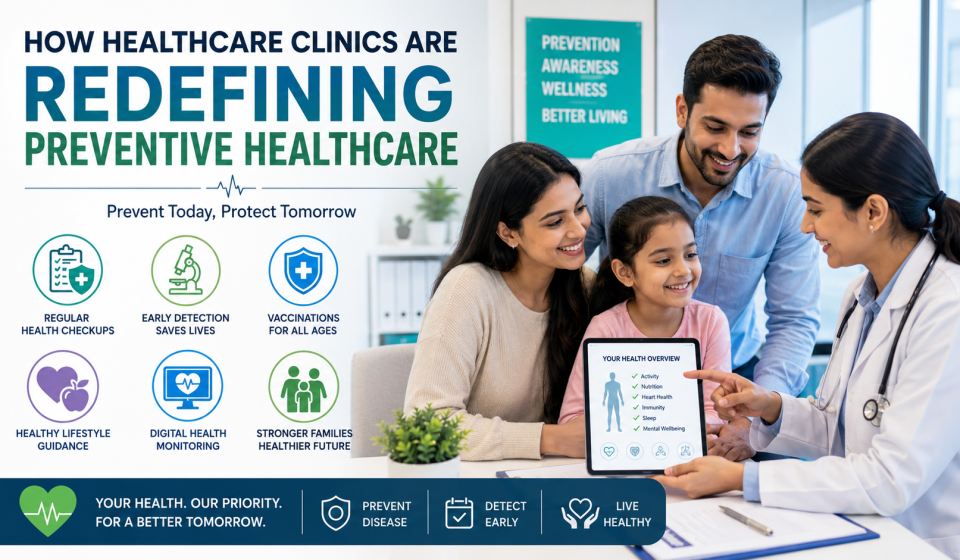

Preventive healthcare focuses on identifying risks early and taking action before disease becomes severe. Healthcare clinics are redefining this approach by making preventive care easier, more affordable, and more accessible for individuals and families.
Healthcare is changing from treating illness after it happens to preventing health problems before they become serious. This shift is one of the biggest reasons healthcare clinics are becoming more important in modern medical care. Today, clinics are not only places where patients visit when they are sick. They are becoming trusted health partners that help people stay healthy through regular checkups, early diagnosis, screenings, vaccinations, lifestyle guidance, and continuous monitoring. Instead of waiting for emergency symptoms, patients can visit clinics for routine health checks, wellness plans, and personalized medical advice.
In 2026, people are more aware of lifestyle diseases such as diabetes, hypertension, obesity, heart disease, and stress-related health problems. Healthcare clinics are helping patients manage these risks through technology, doctor guidance, and patient education. This makes clinics an essential part of building healthier communities.
What Is Preventive Healthcare?
Preventive healthcare means taking steps to avoid illness, detect disease early, and maintain long-term wellness. It includes regular screenings, vaccinations, health checkups, lifestyle counseling, risk assessment, and early treatment.
Instead of focusing only on cure, preventive healthcare focuses on protection. For example, checking blood pressure regularly can help detect hypertension early. Blood sugar tests can identify diabetes risk before complications begin. Vaccinations can protect against serious infections. Lifestyle counseling can help patients improve diet, exercise, sleep, and stress management.
Healthcare clinics are making these services more common and easier to access.
Clinics Are Making Regular Checkups More Accessible
One of the biggest ways healthcare clinics are redefining preventive care is by making regular checkups simple and convenient. Many people avoid hospitals for routine checkups because they expect long waiting times, high costs, and complicated processes.
Clinics solve this problem by offering quick appointments, local access, and affordable health packages. Patients can visit for annual health checkups, blood tests, blood pressure monitoring, cholesterol screening, diabetes screening, and general wellness evaluations.
When checkups become easier, more people are likely to take preventive care seriously. This helps detect health risks early and improves long-term outcomes.
Early Diagnosis Helps Prevent Serious Illness
Early diagnosis is one of the strongest benefits of preventive healthcare. Many diseases do not show clear symptoms in the beginning. Conditions like diabetes, high blood pressure, kidney problems, thyroid disorders, and heart disease may develop silently.
Healthcare clinics help identify these problems before they become severe. Through routine tests and doctor consultations, clinics can detect warning signs and recommend treatment or lifestyle changes early.
Early diagnosis can reduce complications, lower treatment costs, and improve quality of life. This is why clinics are becoming important centers for proactive healthcare.
Vaccination Services Protect Families
Vaccination is a key part of preventive healthcare. Healthcare clinics provide vaccination services for children, adults, elderly people, travelers, and high-risk patients. Vaccines help protect against diseases that can cause serious illness.
Modern clinics maintain vaccination schedules, send reminders, and guide families about required immunizations. Parents can track child vaccinations more easily, while adults can receive flu shots, booster doses, travel vaccines, and age-based immunizations.
By making vaccination simple and accessible, clinics help protect both individuals and communities.
Personalized Health Risk Assessments
Every person has different health risks based on age, family history, lifestyle, diet, work routine, sleep patterns, and existing medical conditions. Healthcare clinics are using personalized risk assessments to provide better preventive care.
Doctors can review a patient’s health history, test results, habits, and family background to identify possible risks. For example, a person with a family history of heart disease may need regular cholesterol checks and lifestyle guidance. Someone with a sedentary lifestyle may need obesity, diabetes, and blood pressure screening.
Personalized risk assessment helps patients understand their health better and take action before problems worsen.
Lifestyle Counseling Is Becoming a Core Service
Many modern diseases are connected to lifestyle choices. Poor diet, lack of exercise, stress, smoking, alcohol use, irregular sleep, and long sitting hours can increase the risk of chronic diseases.
Healthcare clinics are redefining preventive healthcare by offering lifestyle counseling as part of routine care. Doctors, nutritionists, physiotherapists, and wellness experts can guide patients on healthy eating, physical activity, weight management, stress control, sleep improvement, and habit changes.
This approach helps patients make practical improvements in daily life. Small lifestyle changes can prevent major health problems in the future.
Preventive Care for Chronic Disease Management
Preventive healthcare is also important for people already living with chronic conditions. Patients with diabetes, hypertension, asthma, thyroid disorders, heart disease, or obesity need regular monitoring to avoid complications.
Clinics provide continuous support through follow-up visits, medicine reviews, lab tests, diet counseling, and progress tracking. This helps patients keep their condition under control.
For example, regular diabetes monitoring can prevent kidney, eye, nerve, and heart complications. Regular blood pressure checks can reduce the risk of stroke and heart disease. Clinics make this ongoing care easier and more organized.
Technology Is Improving Preventive Healthcare
Technology is playing a major role in modern preventive care. Healthcare clinics now use electronic health records, mobile apps, digital reminders, telemedicine, online reports, and remote monitoring tools.
Patients can receive reminders for checkups, vaccinations, medicine refills, and follow-up visits. Digital records help doctors track health changes over time. Telemedicine allows patients to receive preventive guidance without visiting the clinic every time.
Wearable devices and health apps can track heart rate, steps, sleep, blood pressure, and glucose levels. This data can help doctors provide better advice and detect risks early.
Women’s Preventive Healthcare Services
Healthcare clinics are also helping women access preventive care more easily. Women may need regular screenings for reproductive health, breast health, cervical health, bone health, hormonal issues, anemia, thyroid disorders, and pregnancy-related care.
Clinics can provide women’s health checkups, Pap smear guidance, breast examination advice, pregnancy support, menstrual health counseling, menopause care, and nutrition guidance.
By offering these services in a comfortable and accessible environment, clinics encourage women to prioritize their health.
Preventive Healthcare for Children
Children need preventive care for healthy growth and development. Clinics support children through vaccination, growth tracking, nutrition advice, vision checks, dental care, developmental screening, and common illness prevention.
Parents can receive guidance on diet, hygiene, immunity, sleep, school health, and seasonal disease prevention. Regular pediatric checkups help identify growth delays, allergies, nutritional deficiencies, or other health concerns early.
Preventive care in childhood builds a stronger foundation for lifelong health.
Senior Health Screening and Preventive Care
Elderly patients need regular preventive healthcare because age increases the risk of chronic diseases, falls, weak bones, vision problems, hearing issues, heart disease, diabetes, and memory-related conditions.
Healthcare clinics provide senior health screenings, medicine reviews, blood pressure monitoring, diabetes testing, bone health advice, fall prevention guidance, and lifestyle support.
Regular clinic visits help seniors maintain independence, improve quality of life, and reduce hospital visits.
Affordable Health Packages Encourage Prevention
Many people avoid preventive care because they worry about cost. Healthcare clinics are addressing this by offering affordable health packages. These packages may include basic blood tests, urine tests, cholesterol screening, liver function tests, kidney function tests, thyroid tests, diabetes checks, and doctor consultation.
Family health packages, senior citizen packages, women’s health packages, and corporate wellness packages make preventive care more accessible.
Affordable packages encourage patients to take regular checkups seriously instead of waiting for symptoms.
Patient Education Builds Health Awareness
Preventive healthcare works best when patients understand why it matters. Clinics are helping by educating patients about disease risks, healthy habits, warning signs, vaccination schedules, screening needs, and lifestyle changes.
Doctors and clinic staff can explain health information in simple language. Clinics may also use blogs, social media, workshops, health camps, and digital messages to spread awareness.
Educated patients make better health decisions. This creates healthier families and communities.
Community Health Programs
Healthcare clinics are also redefining preventive healthcare through community programs. Local clinics may organize health camps, free screening drives, vaccination awareness programs, diabetes camps, blood pressure checks, women’s health sessions, and school health programs.
These activities help reach people who may not visit clinics regularly. Community-based prevention can reduce disease burden and improve public health.
Clinics that work closely with communities become trusted health partners.
source
https://l1nq.com/824fgfw
https://sl1nk.com/wkmsqo4
https://sl1nk.com/zq98cw8
https://l1nq.com/rvgjg7e
Conclusion
Healthcare clinics are redefining preventive healthcare by making it more accessible, affordable, personalized, and technology-driven. They are helping patients move from reactive treatment to proactive health management. Through regular checkups, screenings, vaccinations, lifestyle counseling, chronic disease monitoring, digital reminders, and community programs, clinics are making prevention a normal part of healthcare.
This shift benefits individuals, families, and communities. Early diagnosis reduces complications, preventive care lowers long-term medical costs, and lifestyle guidance improves quality of life. In 2026 and beyond, healthcare clinics will continue to play a major role in helping people stay healthier before illness becomes serious.
Preventive healthcare is no longer optional. It is the foundation of modern wellness, and healthcare clinics are leading this important transformation.
FAQs
1. What is preventive healthcare?
Preventive healthcare means taking steps to avoid illness, detect disease early, and maintain long-term health through checkups, screenings, vaccinations, and lifestyle guidance.
2. How are healthcare clinics improving preventive care?
Healthcare clinics improve preventive care by offering regular checkups, affordable health packages, screenings, vaccinations, digital reminders, lifestyle counseling, and early diagnosis.
3. Why is early diagnosis important?
Early diagnosis helps detect health problems before they become serious, making treatment easier, more effective, and often less expensive.
4. What preventive services do clinics offer?
Clinics may offer blood tests, diabetes screening, blood pressure checks, cholesterol tests, vaccinations, women’s health screenings, child health checkups, senior health screenings, and wellness counseling.
5. How does technology support preventive healthcare?
Technology supports preventive healthcare through digital records, online reports, appointment reminders, telemedicine, mobile health apps, and remote monitoring devices.