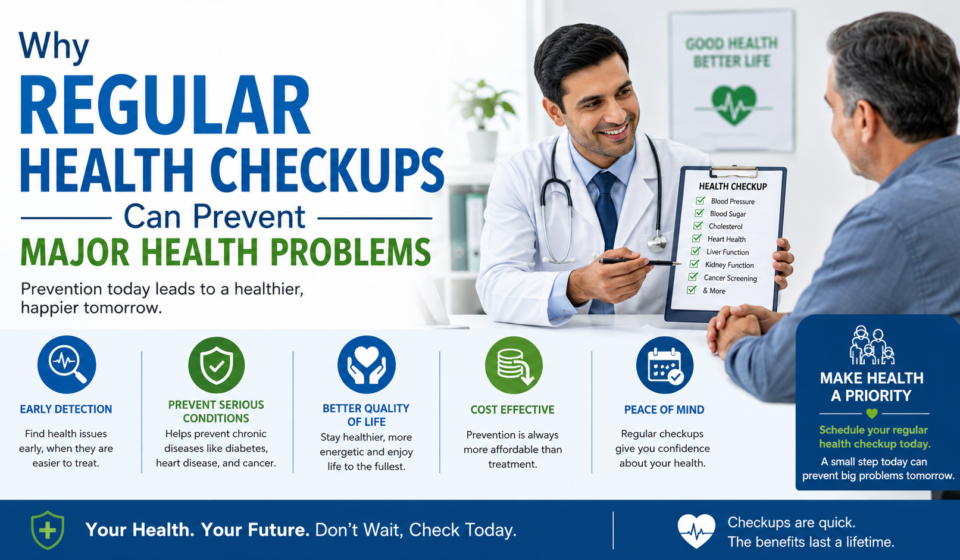

In today’s fast-paced world, many people only visit a healthcare provider when they feel sick or experience noticeable symptoms. However, waiting until a health problem becomes severe can lead to complicated treatments, higher medical costs, and reduced quality of life. Regular health checkups play a crucial role in preventing serious illnesses by identifying potential health issues before they become major concerns.
Preventive healthcare is one of the most effective ways to maintain long-term wellness. Routine medical examinations help detect diseases in their early stages, monitor existing conditions, and provide personalized recommendations for healthier living. Whether you are a young adult, a busy professional, or a senior citizen, regular health checkups can significantly improve your overall health outcomes.
In this article, we’ll explore why regular health checkups are essential, the benefits they offer, and how they can help prevent major health problems.
What Are Regular Health Checkups?
A regular health checkup is a comprehensive medical examination performed by a healthcare professional to evaluate your overall health. These visits often include:
- Physical examinations
- Blood pressure monitoring
- Blood sugar testing
- Cholesterol screening
- Weight and BMI assessment
- Cancer screenings
- Heart health evaluations
- Vaccination reviews
- Lifestyle and nutrition counseling
The frequency of health checkups depends on factors such as age, medical history, family history, and current health conditions.
The Importance of Early Disease Detection
One of the most significant benefits of regular health checkups is early disease detection. Many serious health conditions develop gradually and may not show noticeable symptoms during their initial stages.
Conditions Commonly Detected Early Through Checkups
- High blood pressure
- Diabetes
- Heart disease
- Certain cancers
- Kidney disease
- Liver disorders
- Thyroid conditions
- Osteoporosis
Early detection often leads to more effective treatment options, faster recovery, and better long-term outcomes.
For example, hypertension, often referred to as the “silent killer,” may not present symptoms for years. Routine blood pressure checks can identify elevated levels before they cause severe complications such as heart attacks or strokes.
Preventing Heart Disease
Heart disease remains one of the leading causes of death worldwide. Fortunately, many cardiovascular conditions can be prevented through regular monitoring and lifestyle modifications.
During routine health checkups, healthcare providers assess risk factors such as:
- Blood pressure levels
- Cholesterol levels
- Blood sugar levels
- Weight management
- Smoking habits
- Physical activity levels
By identifying these risk factors early, doctors can recommend preventive measures including dietary changes, exercise programs, medications, and stress management strategies.
Regular screenings can help prevent:
- Heart attacks
- Stroke
- Coronary artery disease
- Heart failure
Taking proactive steps today can significantly reduce your risk of cardiovascular complications later in life.
Managing Chronic Diseases Effectively
Millions of people live with chronic health conditions such as diabetes, asthma, arthritis, and hypertension. Regular medical checkups help healthcare providers monitor these conditions and adjust treatment plans when necessary.
Benefits of ongoing chronic disease management include:
- Improved symptom control
- Reduced complications
- Better medication effectiveness
- Enhanced quality of life
- Lower hospitalization rates
For diabetic patients, routine blood glucose monitoring and HbA1c testing can help prevent complications such as nerve damage, kidney disease, and vision problems.
Consistent follow-up care allows healthcare professionals to address concerns before they escalate into more serious issues.
Detecting Cancer at an Early Stage
Cancer screening is a critical component of preventive healthcare. Many cancers are highly treatable when detected early.
Common cancer screenings include:
Breast Cancer Screening
Mammograms help identify breast cancer before symptoms appear, improving treatment success rates.
Cervical Cancer Screening
Pap smears and HPV testing can detect abnormal cervical cells early, reducing the risk of cervical cancer.
Colorectal Cancer Screening
Colonoscopies can identify and remove precancerous polyps before they become cancerous.
Prostate Cancer Screening
Regular evaluations may help detect prostate abnormalities in men at risk.
Early-stage cancer often requires less aggressive treatment and offers significantly higher survival rates compared to advanced-stage disease.
Monitoring Blood Pressure and Cholesterol
High blood pressure and elevated cholesterol are major risk factors for cardiovascular disease. Unfortunately, many people remain unaware they have these conditions because symptoms may be absent.
Routine checkups provide opportunities to monitor:
- Systolic and diastolic blood pressure
- LDL cholesterol
- HDL cholesterol
- Triglyceride levels
Healthcare providers can recommend lifestyle changes or prescribe medications when necessary to reduce the risk of serious cardiovascular events.
Regular monitoring helps individuals stay informed about their health and make proactive decisions to protect their well-being.
Supporting Mental Health and Emotional Wellness
Health checkups are not limited to physical health. Mental health is equally important for overall wellness.
Many individuals experience:
- Anxiety
- Depression
- Stress-related disorders
- Sleep disturbances
- Burnout
Routine healthcare visits provide opportunities to discuss emotional concerns and receive professional guidance.
Healthcare providers can:
- Screen for mental health conditions
- Recommend counseling services
- Suggest stress management techniques
- Provide treatment options when needed
Addressing mental health issues early can prevent worsening symptoms and improve overall quality of life.
Encouraging Healthy Lifestyle Choices
Regular medical appointments often motivate individuals to adopt healthier habits.
Healthcare professionals can provide guidance on:
Nutrition
Balanced diets help reduce the risk of obesity, diabetes, and heart disease.
Exercise
Regular physical activity strengthens the cardiovascular system, improves mood, and supports weight management.
Smoking Cessation
Quitting smoking significantly lowers the risk of cancer, lung disease, and heart disease.
Alcohol Consumption
Moderating alcohol intake can help prevent liver disease and other health complications.
Sleep Health
Quality sleep is essential for immune function, cognitive performance, and emotional well-being.
Personalized advice from healthcare providers helps individuals make informed decisions that support long-term health.
Reducing Healthcare Costs
Many people avoid routine checkups due to concerns about medical expenses. However, preventive care often saves money in the long run.
Early detection and treatment can prevent:
- Emergency room visits
- Hospitalizations
- Expensive surgeries
- Long-term complications
Treating a condition during its early stages is typically less costly than managing advanced disease.
For example, controlling high blood pressure through routine monitoring and medication is far less expensive than treating a stroke or heart attack.
Investing in preventive healthcare can reduce both financial and physical burdens over time.
Strengthening the Doctor-Patient Relationship
Regular checkups help build a strong relationship between patients and healthcare providers.
Benefits of this relationship include:
- Better communication
- Increased trust
- Personalized healthcare plans
- Improved treatment adherence
- Faster diagnosis of new concerns
When doctors are familiar with a patient’s medical history, they can make more informed decisions and provide more effective care.
This continuity of care contributes to better health outcomes and a more positive healthcare experience.
Health Checkups for Different Age Groups
Children and Adolescents
Regular pediatric visits help monitor:
- Growth and development
- Vaccination schedules
- Nutritional needs
- Behavioral health
Adults
Routine screenings help identify:
- High blood pressure
- Diabetes
- Cholesterol issues
- Cancer risks
Seniors
Older adults benefit from monitoring:
- Bone health
- Cognitive function
- Vision and hearing
- Medication management
Each stage of life requires specific preventive measures to maintain optimal health.
What to Expect During a Routine Health Checkup
A typical health examination may include:
- Review of medical history
- Discussion of symptoms and concerns
- Physical examination
- Blood pressure measurement
- Laboratory testing
- Preventive screenings
- Lifestyle counseling
- Follow-up recommendations
Patients should prepare by bringing:
- Current medications
- Medical records
- Questions or concerns
- Family health history information
Being proactive during appointments helps maximize the benefits of preventive care.
Tips for Staying Consistent with Health Checkups
To make regular checkups a priority:
- Schedule annual appointments in advance
- Set calendar reminders
- Follow recommended screening schedules
- Keep personal health records updated
- Choose a trusted healthcare provider
- Address health concerns promptly
Consistency is key to detecting and preventing potential health problems before they become serious.
Conclusion
Regular health checkups are one of the most powerful tools for maintaining long-term health and preventing major medical conditions. Through early detection, chronic disease management, cancer screening, mental health support, and lifestyle guidance, preventive healthcare empowers individuals to take control of their well-being.
Rather than waiting for symptoms to appear, proactive healthcare allows people to identify risks early, receive timely treatment, and enjoy a healthier, more active life. Investing time in routine health examinations today can help prevent serious health complications tomorrow.
Make regular health checkups a priority and take an important step toward protecting your future health and wellness.